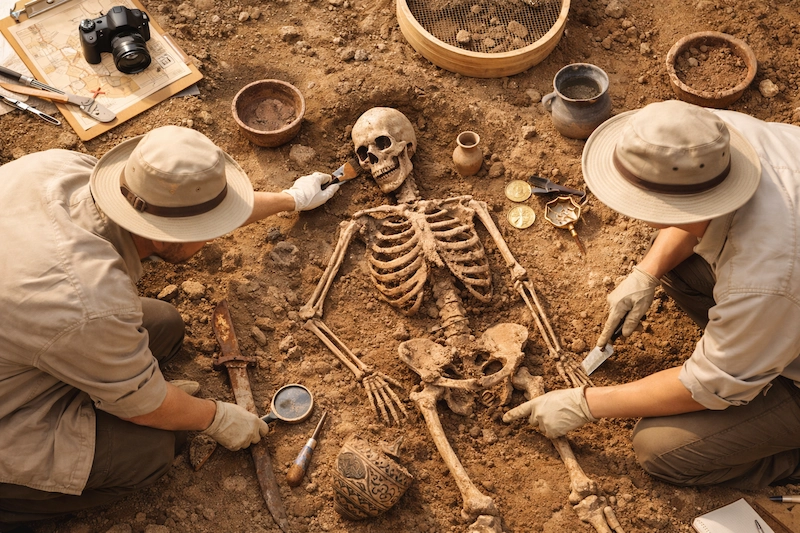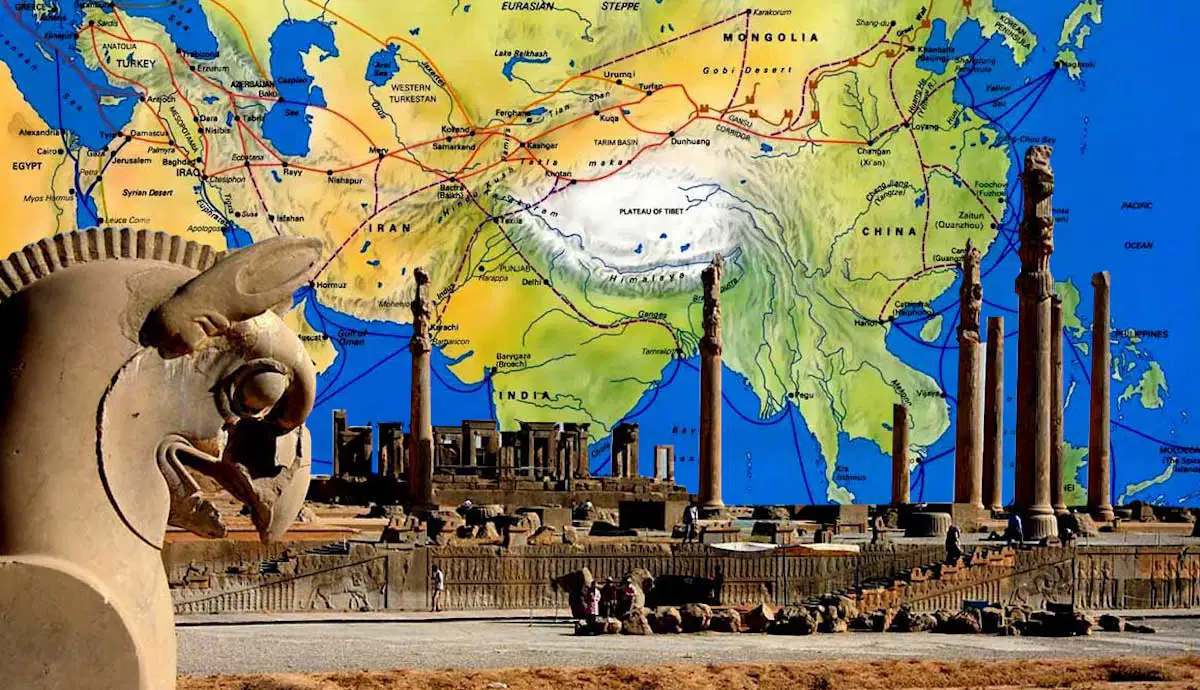
Top Archaeological Discoveries That Shocked the World. Archaeology has the power to completely rewrite what we think we know about human history. From lost cities buried under jungles to ancient technologies far ahead of their time, archaeological discoveries have repeatedly shocked historians, scientists, and the public alike. These findings not only uncover forgotten civilizations but also challenge long-held assumptions about human intelligence, culture, and innovation.
In this detailed article, we explore some of the most astonishing archaeological discoveries that changed our understanding of the past, explain why they were so surprising, and examine their lasting impact on historical research.
Why Archaeological Discoveries Matter
Archaeological discoveries are more than just old artifacts. They provide direct evidence of how ancient people lived, thought, governed, and interacted with their environment.
How Archaeology Changes History
- Reveals lost civilizations and cultures
- Corrects historical timelines
- Uncovers ancient technologies and knowledge
- Explains human migration and evolution
- Preserves cultural heritage
Many discoveries initially faced skepticism, only to later become accepted as groundbreaking milestones in historical research.
The Discovery of Tutankhamun’s Tomb
Background of the Discovery
In 1922, British archaeologist Howard Carter discovered the tomb of the Egyptian pharaoh Tutankhamun in the Valley of the Kings. Unlike most royal tombs, it was largely intact.
Why It Shocked the World
Unprecedented Preservation
The tomb contained thousands of artifacts, including jewelry, furniture, chariots, and the iconic golden death mask.
Insight into Ancient Egypt
The discovery provided rare insight into Egyptian burial practices, royal life, and craftsmanship.
Historical Impact
Tutankhamun’s tomb revolutionized Egyptology and sparked global fascination with ancient Egypt that continues today.
Pompeii and Herculaneum
Cities Frozen in Time
In 79 CE, Mount Vesuvius erupted, burying the Roman cities of Pompeii and Herculaneum under ash and volcanic debris.
Why It Shocked the World
Perfect Preservation
Buildings, frescoes, household items, and even human remains were preserved in remarkable detail.
Everyday Roman Life Revealed
The cities provided a snapshot of daily life, social structure, and urban planning in ancient Rome.
Historical Impact
Pompeii reshaped understanding of Roman culture, architecture, and urban living.
The Terracotta Army of China
Discovery Overview
In 1974, farmers near Xi’an, China, uncovered fragments of clay soldiers. This led to the discovery of the Terracotta Army buried with Emperor Qin Shi Huang.
Why It Shocked the World
Massive Scale
Over 8,000 life-sized soldiers, horses, and chariots were found, each with unique facial features.
Advanced Craftsmanship
The figures demonstrated advanced artistic and organizational skills.
Historical Impact
The Terracotta Army highlighted the power of early Chinese imperial rule and influenced studies of ancient military organization.
Machu Picchu
Rediscovery of a Lost City
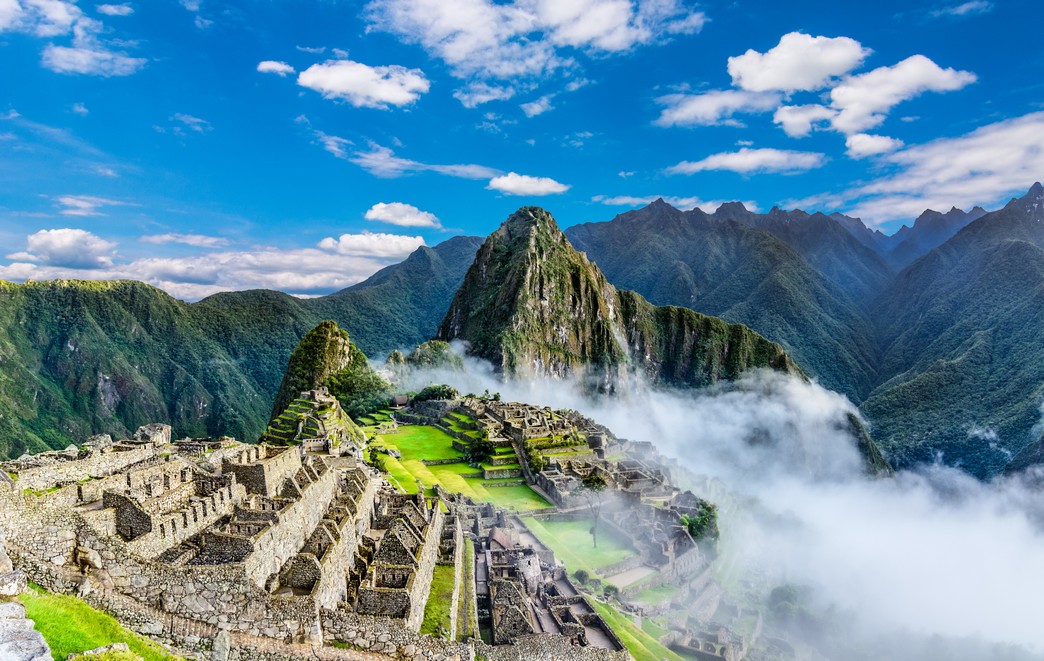
In 1911, explorer Hiram Bingham brought global attention to Machu Picchu, an Incan city hidden high in the Andes Mountains.
Why It Shocked the World
Engineering Marvel
The city featured sophisticated stone construction, terraces, and water management systems.
Isolation and Preservation
Its remote location helped preserve the site, revealing Incan ingenuity.
Historical Impact
Machu Picchu became a symbol of Incan civilization and reshaped understanding of South American history.
The Rosetta Stone
Key to Deciphering Ancient Egypt
Discovered in 1799 by French soldiers, the Rosetta Stone contained the same text written in three scripts.
Why It Shocked the World
Breakthrough in Linguistics
It allowed scholars to finally decipher Egyptian hieroglyphs.
Unlocking Ancient Texts
Once hieroglyphs were understood, thousands of Egyptian inscriptions became readable.
Historical Impact
The Rosetta Stone transformed Egyptology and deepened knowledge of ancient Egyptian culture and history.
Göbekli Tepe
The World’s Oldest Known Temple
Discovered in southeastern Turkey in the 1990s, Göbekli Tepe dates back to around 9600 BCE.
Why It Shocked the World
Challenging Human History
The site predates agriculture, suggesting organized religion existed before farming.
Massive Stone Structures
Large stone pillars with carvings indicated a complex social organization.
Historical Impact
Göbekli Tepe forced historians to reconsider the origins of civilization and religious practice.
The Dead Sea Scrolls
Discovery in Desert Caves
Between 1946 and 1956, ancient scrolls were found in caves near the Dead Sea.
Why It Shocked the World
Ancient Biblical Texts
The scrolls included some of the oldest known manuscripts of Hebrew scriptures.
Historical Accuracy
Comparisons showed remarkable consistency with modern biblical texts.
Historical Impact
The Dead Sea Scrolls reshaped studies of religion, early Judaism, and biblical history.
Troy: From Myth to Reality
The Search for Troy
For centuries, Troy was thought to be a mythical city from Homer’s epics. In the 19th century, Heinrich Schliemann uncovered ruins in modern-day Turkey.
Why It Shocked the World
Myth Confirmed by Archaeology
The discovery suggested a historical basis for the Trojan War.
Multiple Layers of Civilization
The site revealed several cities built on top of each other over centuries.
Historical Impact
Troy bridged the gap between myth and history, influencing archaeological methodology.
The Antikythera Mechanism
An Ancient Technological Marvel
Discovered in a Greek shipwreck in 1901, the Antikythera Mechanism is a complex system of gears.
Why It Shocked the World
Advanced Technology
It functioned as an astronomical calculator, far more advanced than previously believed possible for its time.
Precision Engineering
The mechanism demonstrated a sophisticated understanding of astronomy and mechanics.
Historical Impact
The Antikythera Mechanism changed views on ancient Greek science and technology.
The Nazca Lines
Mysterious Geoglyphs in Peru
The Nazca Lines are massive designs etched into the desert floor, visible only from above.
Why It Shocked the World
Enormous Scale
Some figures stretch hundreds of meters long.
Unknown Purpose
The exact reason for their creation remains debated.
Historical Impact
The Nazca Lines highlighted the complexity of pre-Columbian cultures and their relationship with the environment.
Lost City of Angkor
Rediscovery of a Forgotten Empire
Angkor, once the capital of the Khmer Empire, was largely reclaimed by the jungle until rediscovered by explorers.
Why It Shocked the World
Massive Urban Complex
It is one of the largest pre-industrial cities ever discovered.
Advanced Infrastructure
Water management systems supported large populations.
Historical Impact
Angkor transformed the understanding of Southeast Asian history and urban development.
Why These Discoveries Shocked the World
Challenging Established Narratives
Many discoveries contradicted existing theories about technological development, social organization, and timelines.
Revealing Human Ingenuity
Ancient societies often demonstrated creativity and intelligence equal to or exceeding expectations.
Preserving Lost Histories
Archaeology gives voice to civilizations long forgotten.
Lessons from Shocking Archaeological Discoveries
Human Progress Is Not Linear
History shows periods of advancement, collapse, and rediscovery.
Ancient Knowledge Was Advanced
Many ancient cultures possessed a sophisticated understanding of science, engineering, and astronomy.
The Past Still Holds Secrets
New technologies continue to reveal hidden sites beneath oceans, forests, and cities.
Frequently Asked Questions
What is the most shocking archaeological discovery ever?
Göbekli Tepe is often considered the most shocking due to its age and complexity, which challenged existing theories about early human societies.
Are new archaeological discoveries still being made?
Yes, advancements in technology, such as satellite imaging and ground-penetrating radar, continue to uncover new sites.
Why were some discoveries controversial at first?
Many discoveries challenged established historical beliefs, leading to initial skepticism.
How do archaeologists date ancient discoveries?
Methods include radiocarbon dating, stratigraphy, and analysis of artifacts and materials.
Can archaeology change what we know about history?
Absolutely. Each major discovery has the potential to rewrite historical narratives.
Final Thoughts
Top archaeological discoveries that shocked the world remind us that human history is far more complex and surprising than written records alone suggest. From ancient machines and lost cities to preserved tombs and mysterious symbols, these findings reveal the ingenuity, creativity, and resilience of early civilizations.
As technology advances and exploration continues, archaeology will undoubtedly uncover even more revelations that challenge assumptions and deepen our understanding of humanity’s shared past. The story of human history is still being written, one discovery at a time.