Ancient Trade Routes That Shaped Global Civilization. Trade has been a driving force behind human progress for thousands of years. Long before modern transportation and the internet, ancient trade routes connected distant regions, allowing goods, ideas, technologies, and cultures to flow across continents. These networks not only facilitated commerce but also shaped societies, politics, and cultural exchange. Understanding these trade routes provides insight into the foundations of globalization and human interaction in antiquity.
This article explores the most important ancient trade routes, their impact on civilizations, notable goods exchanged, and the cultural and historical legacy they left behind.
Why Ancient Trade Routes Were Crucial
Trade routes were more than pathways for goods. They influenced economic growth, political power, cultural integration, and technological advancement.
Key Functions
- Movement of luxury goods, food, and raw materials
- Exchange of knowledge, religion, and culture
- Strengthening alliances and political relationships
- Facilitating urban growth and the rise of major cities
Without these routes, many ancient civilizations would have remained isolated, limiting their development and cultural influence.
The Silk Road: Connecting East and West
Overview
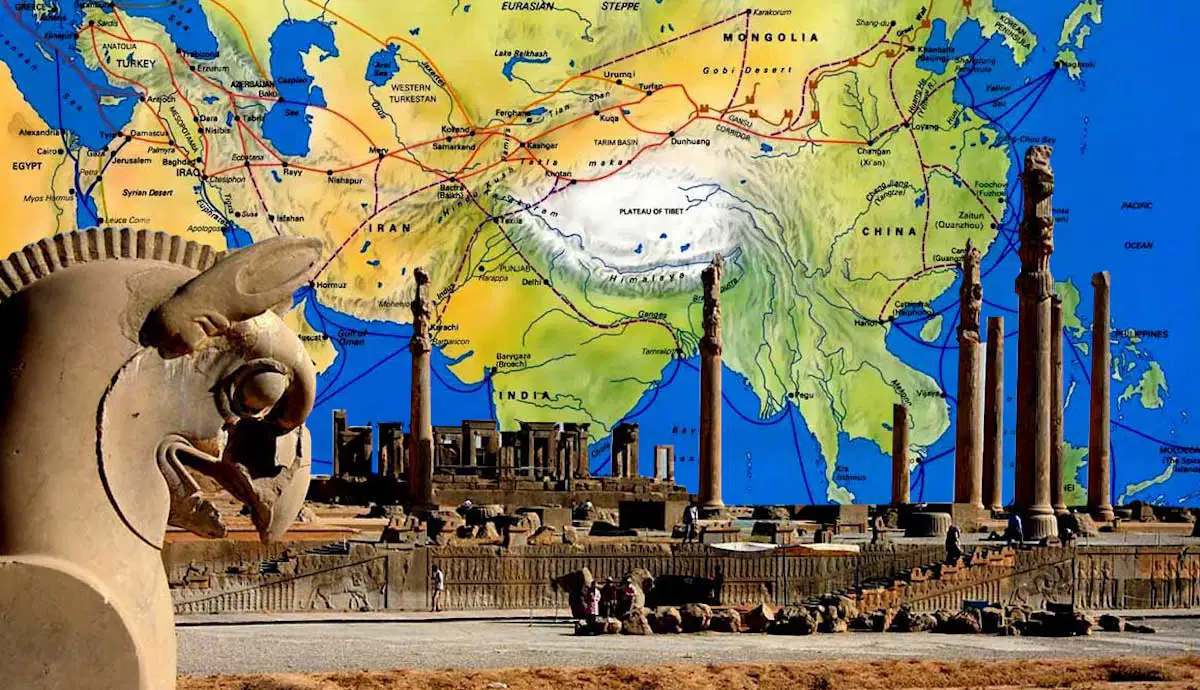
The Silk Road was a network of trade routes stretching from China to the Mediterranean, active from around 130 BCE to the 15th century CE.
Goods Traded
- Silk, spices, and porcelain from China
- Gold, silver, and glassware from the West
- Horses, wool, and textiles along Central Asia
Cultural Exchange
- Spread of Buddhism, Christianity, and Islam
- Transmission of art, science, and technology
- Introduction of new crops and agricultural methods
Historical Impact
The Silk Road created interdependent economies and facilitated early globalization, leaving a legacy of cultural and economic exchange still studied today.
The Incense Route: Trading Frankincense and Myrrh
Overview
The Incense Route connected southern Arabia with the Mediterranean and Mesopotamia, flourishing from around 3000 BCE to 2nd century CE.
Key Commodities
- Frankincense and myrrh for religious and medicinal purposes
- Spices, precious stones, and textiles
Societal Impact
- Enabled the rise of Arabian trading kingdoms like Hadramaut and Nabataea
- Strengthened cultural ties between Arabia, Egypt, and the Levant
- Influenced architecture and urban development in desert regions
The Incense Route highlights how trade in specialized goods could shape political and cultural landscapes.
The Amber Road: Linking Europe to the Mediterranean
Overview
The Amber Road connected the Baltic region to the Mediterranean, active from around 1000 BCE.
Goods Traded
- Amber from northern Europe
- Metals, pottery, and wine from southern Europe
- Precious stones and salt
Cultural and Economic Influence
- Spread artistic techniques and jewelry styles
- Facilitated urban growth along key river valleys
- Strengthened political alliances between regions
The Amber Road illustrates how even seemingly minor commodities could impact long-distance trade and cultural interaction.
The Trans-Saharan Trade Routes
Overview
The Trans-Saharan trade routes connected North Africa with sub-Saharan Africa, flourishing from the 1st millennium CE.
Key Commodities
- Gold, ivory, and salt
- Slaves and exotic animals
- Textiles and luxury goods
Political and Cultural Impact
- Enabled the rise of powerful West African empires like Ghana, Mali, and Songhai
- Promoted the spread of Islam across West Africa
- Facilitated city-building and the development of marketplaces
The routes transformed the economic and cultural landscape of Africa, creating wealth and global connections.
The Maritime Spice Routes
Overview
Maritime trade routes connected India, Southeast Asia, the Arabian Peninsula, and East Africa from as early as 500 BCE.
Key Goods
- Spices such as cinnamon, pepper, and cloves
- Silk, cotton, and ivory
- Ceramics and precious metals
Significance
- Fostered naval exploration and advances in shipbuilding
- Strengthened coastal cities and empires like Srivijaya and the Chola Dynasty
- Spread religions, languages, and cultural practices across the Indian Ocean
Maritime routes complemented overland trade, creating globalized economic networks centuries before Europe’s Age of Exploration.
The Roman Roads and Trade Networks
Overview
The Roman Empire built an extensive road network connecting cities across Europe, North Africa, and the Middle East.
Goods Traded
- Olive oil, wine, and grain
- Metals, textiles, and ceramics
- Exotic items from the Silk Road
Cultural and Political Effects
- Enhanced military movement and administrative control
- Supported urban development and the spread of Roman culture
- Strengthened economic integration across diverse regions
Roman roads demonstrate how infrastructure can facilitate trade and consolidate political power.
The Persian Royal Road
Overview
The Persian Royal Road connected Susa to Sardis across the Achaemenid Empire (550–330 BCE).
Purpose
- Allowed rapid communication across the empire
- Facilitated tax collection and military logistics
- Supported trade in textiles, metals, and agricultural goods
Legacy
- Inspired later trade and communication networks in the region
- Enhanced integration of a vast and culturally diverse empire
The Royal Road illustrates the importance of state-supported trade and infrastructure in sustaining empires.
Cultural Exchange Along Trade Routes
Transmission of Ideas
- Religious beliefs such as Buddhism, Zoroastrianism, and Christianity spread along trade routes
- Technological innovations like papermaking and metallurgy traveled between regions
- Artistic styles and architectural techniques influenced distant civilizations
Social and Economic Effects
- Created cosmopolitan cities and hubs of knowledge
- Encouraged literacy and record-keeping
- Built interconnected economies that required diplomacy and negotiation
Trade routes were not just about goods—they were the arteries through which culture, technology, and knowledge flowed.
Challenges Faced by Ancient Traders
Geographic and Environmental Obstacles
- Harsh deserts, mountains, and seas
- Seasonal flooding or drought affecting transport
- Limited navigational tools and infrastructure
Human and Political Challenges
- Banditry and piracy
- War, conquest, and changing political boundaries
- Tariffs and trade restrictions imposed by rulers
Despite these obstacles, ancient traders found ways to adapt, creating reliable and long-lasting networks.
Lessons from Ancient Trade Routes
Economic Insights
- Diversification of goods reduces economic vulnerability
- Infrastructure investments (roads, ports, caravanserais) boost trade efficiency
Cultural and Social Lessons
- Cross-cultural exchange promotes tolerance and innovation
- Interconnectedness fosters urban growth and societal development
Modern Relevance
Ancient trade routes laid the foundation for globalization, showing how commerce can shape societies, politics, and cultures.
Frequently Asked Questions
What were the most important ancient trade routes?
The Silk Road, Incense Route, Amber Road, Trans-Saharan routes, maritime spice routes, Roman roads, and the Persian Royal Road are among the most significant.
What goods were commonly traded
Luxury items like silk, spices, gold, amber, and ivory, along with everyday necessities like grain, salt, and textiles.
How did trade routes influence culture?
They facilitated the spread of religion, art, language, technology, and social norms across continents.
Were ancient trade routes dangerous?
Yes, traders faced environmental hazards, bandits, political instability, and piracy, but they developed strategies to mitigate risks.
Why study ancient trade routes today
They provide insight into economic history, cultural exchange, technological innovation, and the early foundations of globalization.
Final Thoughts
Ancient trade routes were far more than mere pathways for exchanging goods—they were the lifelines of civilizations. From the Silk Road linking East and West to the Trans-Saharan networks that empowered West African empires, these routes enabled the movement of ideas, religion, culture, and technology across continents.
By studying these routes, we gain a deeper understanding of how human societies interacted, adapted, and thrived long before modern transportation and communication. The legacy of ancient trade continues to shape the global economy, culture, and human connectivity, reminding us that commerce and exchange have always been central to the story of civilization.