Great Archaeologists Who Changed Our Understanding of History. Archaeology has shaped how we understand the past, revealing lost civilizations, ancient technologies, and human behavior across millennia. Behind every discovery are the archaeologists whose vision, dedication, and sometimes daring methods brought history to light. These individuals not only uncovered artifacts and ruins but also reshaped historical narratives, challenging long-held assumptions and inspiring future generations.
This article explores the lives and contributions of great archaeologists who changed our understanding of history, their groundbreaking discoveries, and the lessons their work continues to teach.
What Makes an Archaeologist “Great”?
Not all archaeologists achieve fame, but certain traits distinguish those who make a lasting impact.
Key Qualities
- Curiosity and persistence
- Innovative research methods
- Ability to interpret findings accurately
- Courage to explore uncharted territories
- Commitment to preserving cultural heritage
These qualities allowed some archaeologists to make discoveries that revolutionized historical knowledge.
Heinrich Schliemann: The Discoverer of Troy
Early Life
Heinrich Schliemann (1822–1890) was a German businessman with a passion for ancient history. Fascinated by Homer’s epics, he dedicated himself to finding the legendary city of Troy.
Major Discoveries
- Excavated Hissarlik in modern-day Turkey, identifying it as the site of Troy
- Unearthed multiple layers of settlements, including Troy II, which some scholars associate with Homeric Troy
- Discovered the so-called “Treasure of Priam,” a collection of gold artifacts
Impact on History
- Validated the historical basis of Homeric tales
- Opened new possibilities for studying ancient Anatolian civilizations
- Sparked debates about methodology and artifact preservation
Schliemann’s work demonstrates how passion and determination can turn myth into a historical investigation.
Howard Carter: The Finder of Tutankhamun’s Tomb
Early Career
Howard Carter (1874–1939) was an English archaeologist specializing in Egyptology. He became famous for his meticulous excavation techniques and attention to detail.
Key Discovery
- In 1922, Carter discovered the tomb of Pharaoh Tutankhamun in the Valley of the Kings
- Found an almost intact burial chamber containing treasures, artifacts, and inscriptions
Significance
- Provided unprecedented insight into 18th Dynasty Egypt
- Revolutionized understanding of royal burial practices
- Inspired global interest in Egyptology
Carter’s discovery highlighted the importance of careful excavation and thorough documentation.
Arthur Evans: Unearthing the Minoans
Background
Arthur Evans (1851–1941), a British archaeologist, explored the island of Crete to understand its Bronze Age civilization.
Major Contributions
- Excavated the palace at Knossos
- Identified the Minoan civilization, predating classical Greece
- Deciphered Linear A and Linear B tablets, shedding light on administrative systems
Historical Importance
- Revealed a complex, advanced society with urban planning and art
- Challenged assumptions that Greece’s classical period was the origin of civilization
- Influenced studies of Bronze Age Aegean culture
Evans’ work underscores how uncovering urban centers can reshape cultural history.
Gertrude Bell: Archaeologist and Diplomat
Early Life
Gertrude Bell (1868–1926) was an English writer, explorer, and archaeologist, known for her work in the Middle East.
Achievements
- Conducted surveys and excavations in Mesopotamia
- Recorded ancient sites and artifacts in Iraq
- Advised on the formation of modern Iraq after World War I
Legacy
- Blended archaeology with diplomacy, preserving important sites
- Advocated for local stewardship of cultural heritage
- Contributed to understanding Mesopotamian civilizations beyond Babylon and Assyria
Bell’s multidisciplinary approach illustrates how archaeology can intersect with politics and culture.
Flinders Petrie: The Father of Scientific Archaeology
Background
Flinders Petrie (1853–1942) revolutionized archaeological methodology in Egypt and beyond.
Innovations
- Introduced systematic excavation and meticulous recording of finds
- Developed techniques for pottery analysis and dating
- Advocated stratigraphy to understand chronological layers
Contributions
- Excavated sites at Abydos, Amarna, and other key locations
- Established the Petrie Museum of Egyptian Archaeology in London
- Set a standard for scientific rigor in archaeology
Petrie’s methods transformed archaeology from treasure hunting to disciplined research.
Kathleen Kenyon: Rediscovering Jericho
Early Life
Kathleen Kenyon (1906–1978) was a British archaeologist who conducted groundbreaking work in the Levant.
Key Discoveries
- Excavated Jericho, one of the world’s oldest cities
- Applied meticulous stratigraphic excavation techniques
- Identified early Neolithic settlements and fortifications
Historical Significance
- Provided evidence of early urbanization and fortification
- Advanced understanding of ancient Levantine societies
- Influenced modern archaeological practice with her precise methodology
Kenyon’s work emphasizes the importance of stratigraphy and careful interpretation in understanding urban history.
Louis Leakey: Unlocking Human Origins
Background
Louis Leakey (1903–1972) was a Kenyan-born archaeologist and paleoanthropologist.
Major Achievements
- Conducted excavations in Olduvai Gorge, Tanzania
- Discovered early hominin fossils such as Homo habilis
- Linked fossil evidence to human evolution
Influence on Science
- Demonstrated Africa as the cradle of humankind
- Inspired subsequent generations of paleoanthropologists, including Jane Goodall and Richard Leakey
- Bridged archaeology and anthropology
Leakey’s discoveries reshaped the understanding of human evolution and migration.
Maria Reiche: Guardian of the Nazca Lines
Background
Maria Reiche (1903–1998), a German mathematician and archaeologist, dedicated her life to studying the Nazca Lines in Peru.
Contributions
- Surveyed, mapped, and preserved hundreds of geoglyphs
- Proposed astronomical alignments and ceremonial significance
- Advocated for cultural heritage protection
Impact
- Raised awareness of the Nazca Lines’ cultural and historical value
- Protected the site from agricultural expansion and destruction
- Blended archaeology with environmental conservation
Reiche’s work illustrates how dedication and advocacy can preserve history for future generations.
Zahi Hawass: Modern Egyptologist
Background
Zahi Hawass (born 1947) is a contemporary Egyptian archaeologist and Egyptologist.
Achievements
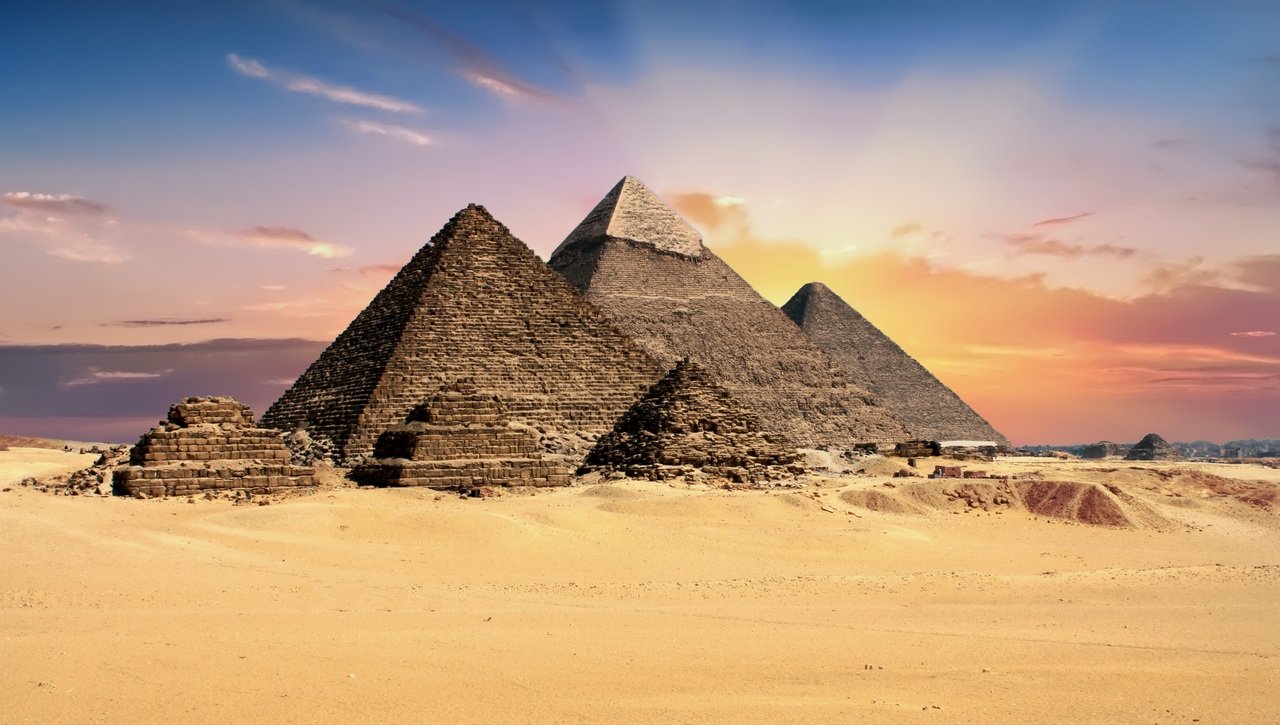
- Directed excavations of pyramids, tombs, and temples
- Advanced public awareness of Egyptian heritage
- Utilized modern technology, including 3D scanning and DNA analysis
Contributions to History
- Clarified chronology of pharaohs and dynasties
- Brought Egyptology to a global audience through media and publications
- Helped develop policies for artifact preservation
Hawass demonstrates how modern archaeology combines traditional methods with public engagement and technology.
Lessons from Great Archaeologists
What We Can Learn
- Persistence and curiosity drive discovery
- Innovation in methodology can redefine entire disciplines
- Collaboration across fields enhances understanding
- Advocacy and preservation protect heritage for the future
Influence on Modern Archaeology
- Archaeologists today build upon the foundations laid by pioneers
- Their methods and ethics guide excavation, conservation, and interpretation
- Public education and outreach have become central to the field
Frequently Asked Questions
Who is considered the most influential archaeologist
Influence depends on the field and context. Heinrich Schliemann, Howard Carter, Flinders Petrie, and Louis Leakey are among the most influential.
How did archaeologists change historical understanding?
By uncovering physical evidence, dating artifacts, and analyzing human behavior, archaeologists validate or challenge historical narratives.
Are all discoveries accepted immediately?
No, some discoveries face skepticism or reinterpretation as new evidence emerges.
Can modern technology replace traditional excavation
Technology enhances research but does not replace careful excavation and human interpretation.
Why study the work of past archaeologists
Understanding their methods, discoveries, and mistakes helps improve modern archaeological practices and appreciation of history.
Final Thoughts
The contributions of great archaeologists have transformed our understanding of history. From Schliemann’s hunt for Troy to Leakey’s exploration of human origins, these individuals uncovered lost cities, deciphered ancient scripts, and revealed civilizations long forgotten. Their discoveries not only reshaped academic understanding but also inspired public fascination with the past.
Studying these archaeologists and their work reminds us that history is not static. It is continually reconstructed through careful observation, innovation, and the relentless pursuit of knowledge. Their legacy endures in the artifacts they uncovered, the methods they pioneered, and the history they brought to life for generations to come.