How Modern Technology Is Transforming Archaeology. Archaeology has long been associated with trowels, dusty digs, and slow, careful excavation. While these traditional methods are still essential, modern technology has completely transformed how archaeologists discover, analyze, and preserve the past. Today, researchers can locate hidden cities without digging, reconstruct ancient faces digitally, and analyze tiny traces of DNA to understand how people lived thousands of years ago.
This article explores how modern technology is transforming archaeology, highlighting key tools, real-world examples, benefits, challenges, and what the future holds for the study of human history.
The Shift from Traditional to Technological Archaeology
For centuries, archaeology relied mainly on physical excavation and written interpretation. While effective, this approach was limited by time, cost, and the risk of damaging fragile sites.
Why Technology Became Essential
- Many sites are buried deep underground
- Excavation can permanently alter sites
- Written records are incomplete or missing
- Large areas are difficult to survey manually
Technology allows archaeologists to work faster, more accurately, and with less damage to historical remains.
Remote Sensing and Satellite Imagery
What Is Remote Sensing in Archaeology
Remote sensing uses satellites, drones, and aerial photography to detect archaeological features without disturbing the ground.
How It Is Used
- Identifying buried structures
- Mapping ancient road networks
- Locating settlements hidden by forests or deserts
- Monitoring site damage
Real-World Example
Satellite imagery helped identify ancient irrigation systems and cities in Mesopotamia that were invisible at ground level.
Benefits
- Non-invasive exploration
- Covers vast areas quickly
- Reduces excavation costs
Remote sensing has revolutionized how archaeologists plan fieldwork.
LiDAR Technology and Hidden Landscapes
Understanding LiDAR
LiDAR, which stands for Light Detection and Ranging, uses laser pulses to create detailed 3D maps of the ground surface, even through dense vegetation.
Archaeological Breakthroughs Using LiDAR
- Discovery of large Maya cities beneath jungle canopies
- Identification of ancient road systems and terraces
- Mapping urban layouts without excavation
Why LiDAR Is Game-Changing
Traditional surveys often miss features hidden by forests. LiDAR reveals entire ancient landscapes in unprecedented detail.
Ground-Penetrating Radar
How Ground-Penetrating Radar Works
Ground-penetrating radar sends radio waves into the ground and records reflections from buried objects or structures.
Common Uses in Archaeology
- Locating graves and tombs
- Detecting walls, foundations, and floors
- Mapping buried cities
Practical Advantages
- Avoids unnecessary digging
- Helps protect sacred burial sites
- Improves excavation accuracy
This technology allows archaeologists to “see” beneath the surface before excavation begins.
Drones and Aerial Archaeology
The Role of Drones
Drones provide high-resolution aerial images at low cost and with great flexibility.
How Drones Are Used
- Surveying large sites quickly
- Creating detailed site maps
- Monitoring erosion and looting
- Documenting excavation progress
Example in Practice
Drones have been used to map ancient hilltop fortresses and desert settlements that are difficult to access on foot.
Digital Mapping and Geographic Information Systems
What Is GIS in Archaeology
Geographic Information Systems combine spatial data with archaeological findings to analyze patterns across landscapes.
Applications of GIS
- Studying settlement distribution
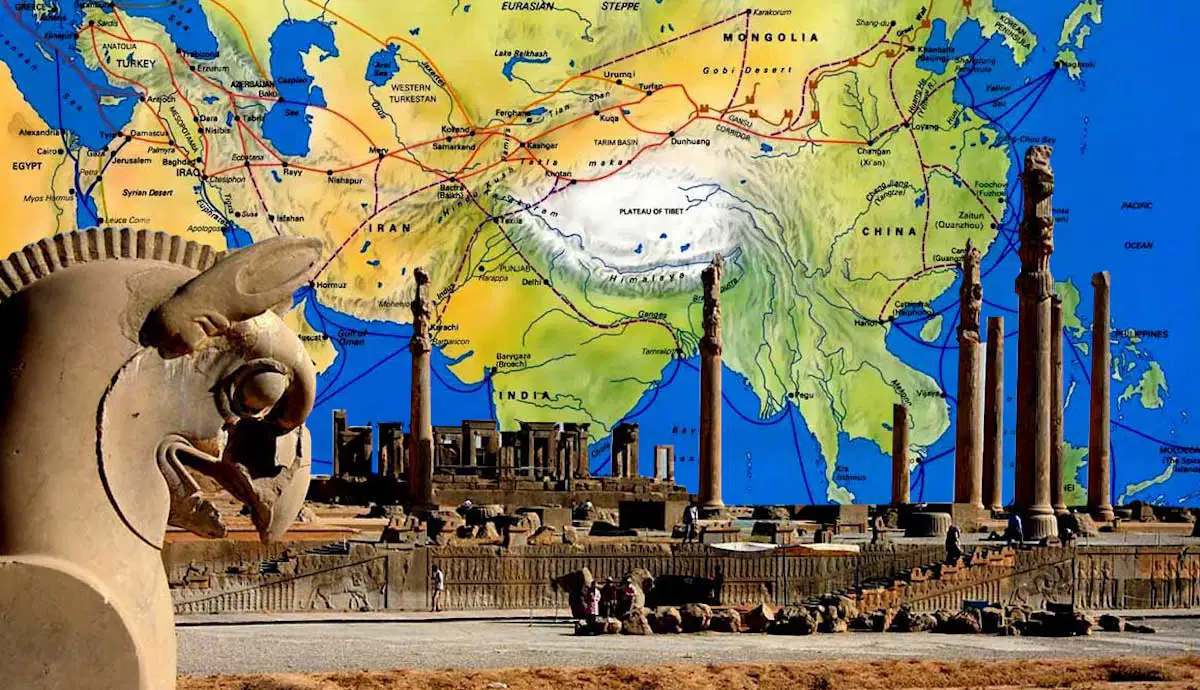
- Analyzing trade routes
- Understanding environmental impacts on civilizations
Why GIS Matters
It allows archaeologists to move beyond individual sites and study how entire regions functioned over time.
3D Scanning and Digital Reconstruction
How 3D Technology Is Used
3D scanning captures precise digital models of artifacts, buildings, and landscapes.
Benefits of 3D Archaeology
- Preserves fragile objects digitally
- Allows virtual access for researchers and students
- Enables accurate reconstructions
Real-World Example
Destroyed monuments have been digitally reconstructed using 3D scans, preserving their appearance for future generations.
DNA Analysis and Bioarchaeology
Ancient DNA and Human History
Advances in DNA extraction allow scientists to study genetic material from ancient bones and teeth.
What DNA Reveals
- Migration patterns
- Family relationships
- Disease history
- Diet and adaptation
Transformative Discoveries
DNA analysis has reshaped understanding of how ancient populations moved, mixed, and evolved.
Isotope Analysis and Diet Reconstruction
Understanding Isotopes
Isotopes found in bones and teeth reveal information about diet, water sources, and movement.
Archaeological Applications
- Identifying what people ate
- Tracing geographic origins
- Studying childhood versus adult diets
Why It Matters
This method provides insight into daily life that written records rarely mention.
Artificial Intelligence in Archaeology
The Rise of AI Tools
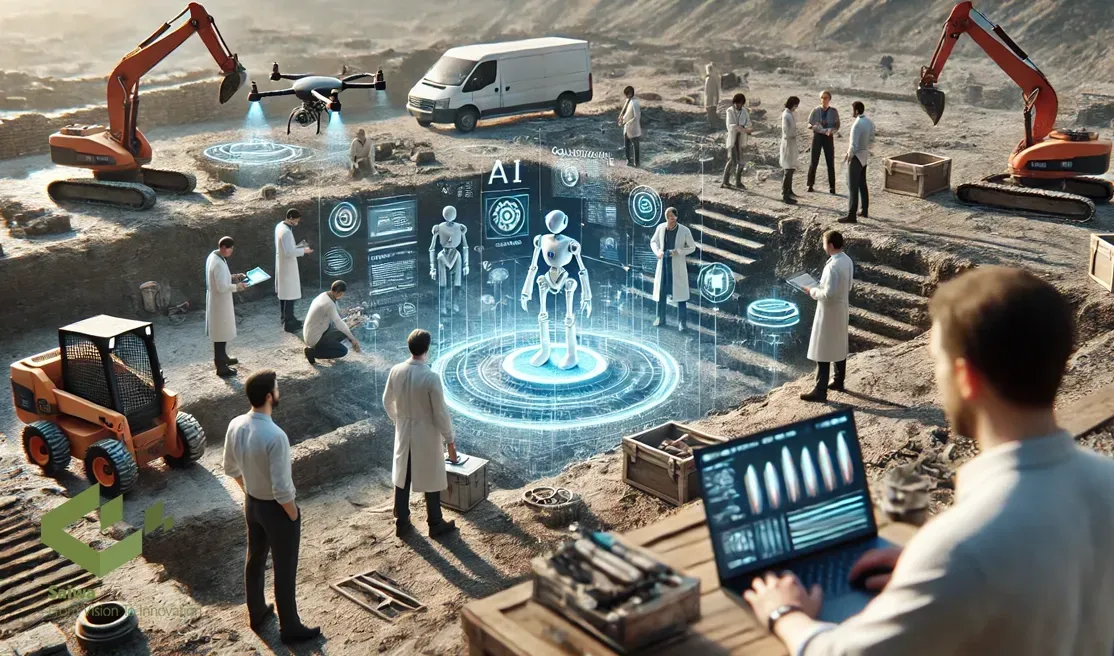
Artificial intelligence is increasingly used to process large amounts of archaeological data.
Uses of AI
- Identifying patterns in satellite imagery
- Classifying artifacts
- Predicting site locations
Example
AI has been trained to identify potential archaeological sites in desert regions faster than traditional methods.
Virtual Reality and Public Engagement
Virtual Reality in Archaeology
Virtual reality allows users to explore reconstructed ancient environments in immersive ways.
Educational Benefits
- Enhances museum experiences
- Supports remote learning
- Increases public interest
Preservation Advantage
Virtual access reduces physical impact on fragile sites.
Digital Databases and Open Access Research
The Importance of Digital Archives
Archaeological data is increasingly stored in digital databases accessible worldwide.
Benefits of Open Data
- Encourages collaboration
- Prevents data loss
- Allows reanalysis with new tools
This transparency accelerates discovery and innovation.
Technology and Underwater Archaeology
Exploring Submerged Sites
Advanced sonar and remotely operated vehicles allow archaeologists to study shipwrecks and sunken cities.
Key Technologies
- Side-scan sonar
- Submersible robots
- High-resolution underwater cameras
Major Discoveries
Ancient shipwrecks and harbors have been found and documented without human divers.
Ethical Challenges of Technological Archaeology
Balancing Innovation and Responsibility
While technology offers powerful tools, it also raises ethical concerns.
Key Issues
- Protection of sacred sites
- Data ownership
- Cultural sensitivity
- Risk of looting due to public data
Responsible use of technology is essential to protect heritage.
How Technology Changes Archaeological Interpretation
New Data, New Questions
Technology does not just provide answers—it changes how questions are asked.
Shifts in Perspective
- From isolated sites to landscapes
- From elite history to everyday life
- From static interpretations to dynamic models
This leads to more inclusive and accurate histories.
The Role of Interdisciplinary Collaboration
Archaeology Meets Science
Modern archaeology relies on collaboration with experts in:
- Computer science
- Biology
- Chemistry
- Geography
- Engineering
These partnerships expand what archaeology can achieve.
Future Technologies in Archaeology
Emerging Innovations
- Advanced machine learning
- Improved remote sensing resolution
- Portable DNA labs
- Real-time excavation analysis
What the Future Holds
Archaeology will become faster, more precise, and more accessible than ever before.
Why Technology Cannot Replace Traditional Archaeology
The Human Element Still Matters
Technology provides data, but interpretation requires human judgment, cultural understanding, and ethical awareness.
Essential Traditional Skills
- Careful excavation
- Contextual analysis
- Historical interpretation
Technology enhances archaeology but does not replace the archaeologist.
Frequently Asked Questions
How has technology improved archaeological accuracy
It reduces guesswork, minimizes damage, and provides detailed data.
Can technology find sites without excavation
Yes, tools like LiDAR and radar can locate sites non-invasively.
Does technology make archaeology faster
Yes, surveys and analyses are significantly quicker than before.
Are traditional methods still important?
Absolutely. Technology supports but does not replace excavation and interpretation.
Will technology solve all archaeological mysteries
Some mysteries may remain due to missing evidence or lost contexts.
Final Thoughts
Modern technology has transformed archaeology from a slow, labor-intensive discipline into a dynamic, data-rich science. Tools like satellite imagery, LiDAR, DNA analysis, and artificial intelligence allow archaeologists to explore the past in ways that were unimaginable just decades ago.
By combining traditional skills with cutting-edge technology, archaeology is becoming more accurate, inclusive, and engaging. As innovation continues, our understanding of human history will deepen, revealing stories that have been hidden beneath the earth for thousands of years.