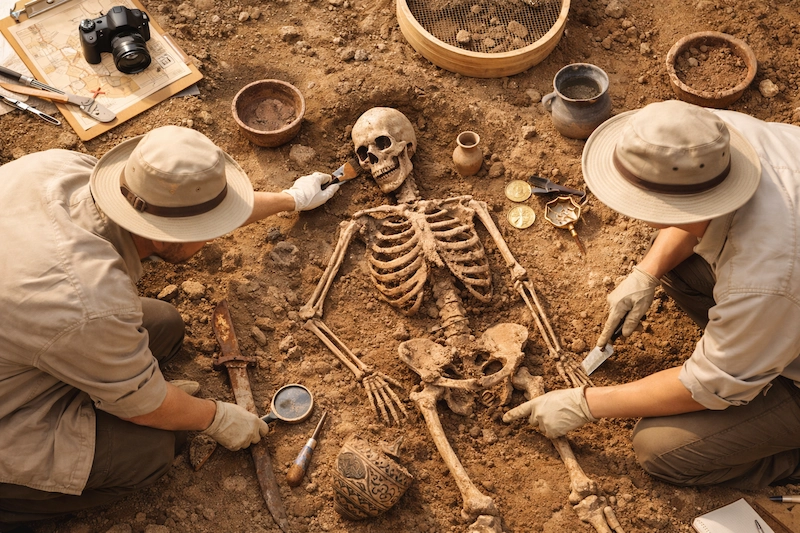
Ancient Empires That Ruled the World and Then Disappeared. Throughout human history, empires have risen to power, dominating vast territories, shaping cultures, and leaving lasting legacies. Yet, despite their might, many of these ancient empires eventually declined and disappeared, leaving behind ruins, artifacts, and intriguing mysteries. Studying these civilizations helps us understand human ambition, governance, innovation, and the fragile nature of power.
This article explores some of the most influential ancient empires that ruled the world and then vanished, highlighting their achievements, reasons for decline, and the lessons they leave for modern society.
What Defines an Ancient Empire
An empire is a political entity that extends control over diverse regions, peoples, and cultures. Ancient empires typically shared these characteristics:
Key Features of Ancient Empires
- Centralized authority with a powerful ruler
- Expansive territorial control
- Complex administration and legal systems
- Advanced military capabilities
- Cultural, economic, and technological influence
Understanding these traits helps contextualize their rise and fall.
The Egyptian Empire
Overview
Ancient Egypt, centered along the Nile River, is one of the oldest and most enduring civilizations, flourishing from around 3100 BCE to 30 BCE.
Achievements
- Monumental architecture, like the pyramids and temples
- Advanced agriculture using Nile irrigation
- Hieroglyphic writing and extensive record-keeping
- Significant advances in medicine, mathematics, and astronomy
Reasons for Decline
- Internal power struggles and weak pharaohs
- Invasions by Assyrians, Persians, and eventually Romans
- Economic challenges and changing trade routes
Despite its fall, Egyptian culture influenced neighboring regions and remains a symbol of human achievement.
The Roman Empire
Overview
The Roman Empire, which lasted from 27 BCE to 476 CE in the West, was one of the most influential civilizations in history.
Achievements
- Extensive road networks and aqueducts
- Advanced legal and political systems
- Military innovations and disciplined legions
- Cultural contributions in art, literature, and architecture
Reasons for Decline
- Political instability and corruption
- Economic inflation and overreliance on slave labor
- Barbarian invasions, including the Visigoths and Vandals
- Overexpansion is making administration difficult
The Eastern Roman Empire, known as Byzantium, survived for nearly another thousand years, preserving Roman traditions.
The Persian Empire
Overview
The Achaemenid Persian Empire (550–330 BCE) spanned from the Indus Valley to Egypt and was ruled by dynasties such as Cyrus the Great and Darius I.
Achievements
- Efficient administrative systems with satraps (governors)
- Royal roads improve communication and trade
- Religious tolerance and cultural integration
- Architectural marvels like Persepolis
Reasons for Decline
- Alexander the Great’s conquest in 330 BCE
- Internal power struggles and succession crises
- Economic difficulties due to continuous warfare
Persian innovations in governance influenced future empires, including the Romans.
The Maurya Empire
Overview
The Maurya Empire (322–185 BCE) was one of India’s largest and most powerful empires, established by Chandragupta Maurya and expanded by Ashoka.
Achievements
- Unified large parts of the Indian subcontinent
- Standardized currency and trade systems
- Promotion of Buddhism and moral governance
- Development of infrastructure and urban centers
Reasons for Decline
- Weak successors after Ashoka
- Economic strain and local rebellions
- Pressure from invading kingdoms and regional powers
The Maurya Empire set a foundation for Indian political unity and cultural development.
The Greek Empire
Overview
While not a centralized empire like Rome or Persia, Alexander the Great created a vast Hellenistic empire (336–323 BCE) stretching from Greece to Egypt and India.
Achievements
- Spread of Greek culture, language, and philosophy
- Establishment of cities like Alexandria
- Advances in science, mathematics, and art
Reasons for Decline
- Alexander’s untimely death at age 32
- Division among generals into smaller Hellenistic kingdoms
- Local resistance and internal conflicts
The Greek Empire’s cultural legacy shaped Mediterranean and Near Eastern civilizations for centuries.
The Maya Civilization
Overview
The Maya civilization, flourishing from around 2000 BCE to 1500 CE, dominated Mesoamerica with city-states like Tikal, Palenque, and Chichén Itzá.
Achievements
- Advanced astronomy and calendar systems
- Sophisticated writing system (hieroglyphs)
- Architectural and engineering marvels
- Complex political and religious structures
Reasons for Decline
- Environmental degradation and drought
- Warfare among city-states
- Resource scarcity and social unrest
Despite its collapse, the Maya influenced modern Mesoamerican cultures.
The Inca Empire
Overview
The Inca Empire (1438–1533 CE) ruled most of the Andes region, centered in modern Peru, with a highly organized society.
Achievements
- Extensive road and communication networks across mountainous terrain
- Agricultural innovation, including terracing and irrigation
- Centralized administration and taxation
- Mastery of stone architecture, including Machu Picchu
Reasons for Decline
- Conquest by Spanish conquistadors led by Francisco Pizarro
- Smallpox and other diseases introduced by Europeans
- Internal civil wars are weakening the central authority
The Inca left a lasting cultural legacy still visible in Andean communities today.
The Ottoman Empire
Overview
The Ottoman Empire (1299–1922 CE) was one of the most enduring empires, spanning Southeast Europe, Western Asia, and North Africa.
Achievements
- Strong military organization with elite Janissary units
- Architectural and cultural achievements in Istanbul and beyond
- Integration of diverse cultures and religions
- Advanced trade and economic systems
Reasons for Decline
- Military defeats and territorial losses
- Administrative corruption and inefficiency
- Economic stagnation and competition from European powers
Although it dissolved after World War I, the Ottoman Empire profoundly influenced modern Middle Eastern politics and culture.
Lessons from Disappeared Empires
Understanding Rise and Fall
Studying ancient empires teaches us about:
- The importance of governance and succession planning
- Economic sustainability and resource management
- Cultural integration and social cohesion
- The risks of overexpansion and military overreach
Modern Relevance
Modern nations can learn from the successes and failures of these empires to prevent collapse and foster stability.
How Archaeology Reveals Ancient Empires
Tools and Methods
- Excavation of cities, palaces, and roads
- Study of inscriptions, coins, and manuscripts
- Analysis of architecture, artifacts, and burial practices
- Advanced technologies like LiDAR, satellite imagery, and DNA analysis
What Archaeology Uncovers
- Daily life of citizens
- Trade and economic networks
- Military strategies and fortifications
- Religious practices and cultural exchange
Archaeology allows us to reconstruct empires beyond historical texts.
Frequently Asked Questions
Which ancient empire was the largest in history
The Mongol Empire (13th–14th century CE) was the largest contiguous land empire, though it is often studied separately from earlier empires.
Why did so many ancient empires disappear
Factors include invasions, internal strife, economic collapse, disease, and environmental challenges.
Did any empires influence modern countries?
Yes, empires like Rome, Persia, and the Ottoman Empire shaped modern legal systems, languages, architecture, and governance.
Can we visit the ruins of these empires today?
Many ancient sites are open to tourists, including the pyramids in Egypt, Machu Picchu in Peru, and Tikal in Guatemala.
What can studying ancient empires teach us
It provides insights into political power, cultural innovation, human resilience, and the consequences of societal failure.
Final Thoughts
Ancient empires demonstrate humanity’s capacity for innovation, conquest, and cultural development. They built monumental architecture, established complex governments, and influenced countless generations. Yet their disappearance also reminds us of the fragility of power and the inevitability of change.
By studying these vanished civilizations, we gain not only knowledge of the past but also lessons for the present and future. Ancient empires may have disappeared, but their stories continue to shape our world and inspire curiosity about the achievements and mistakes of those who came before us.