Ancient Architecture That Still Amazes Engineers Today. Throughout human history, architecture has served as both a functional necessity and a reflection of cultural sophistication. While modern engineering boasts advanced tools and materials, ancient structures continue to astonish experts with their ingenuity, durability, and beauty. From colossal stone pyramids to intricately designed aqueducts, these architectural marvels demonstrate engineering skills that still inspire today’s architects and engineers.
The Great Pyramids of Giza: Timeless Stone Giants
The Great Pyramids of Giza, built around 4,500 years ago in Egypt, are perhaps the most iconic symbols of ancient engineering. These pyramids, especially the Pyramid of Khufu, are feats of precision, design, and endurance.
Architectural Features
- Massive Stone Blocks: The Pyramid of Khufu consists of approximately 2.3 million limestone blocks, each weighing 2.5 tons on average.
- Precise Alignment: The pyramid’s sides align almost perfectly with the cardinal points of the compass.
- Internal Chambers: Complex internal passageways and chambers demonstrate careful planning.
Engineering Wonders
Despite lacking modern machinery, Egyptians used ingenious methods, possibly including ramps and levers, to lift and place these massive stones. Modern engineers study these techniques to understand ancient load-bearing principles and construction logistics.
Example
The Great Pyramid’s accuracy is so remarkable that its base is level within less than 2 centimeters across 230 meters, a feat difficult to replicate even today.
The Colosseum of Rome: Mastery of Concrete and Arches
The Colosseum, constructed between 70 and 80 CE, is a testament to Roman architectural innovation, particularly in concrete construction and structural design.
Architectural Features
- Arches and Vaults: The Colosseum’s arches distribute weight efficiently, allowing for massive open spaces.
- Amphitheater Design: With seating for 50,000 spectators, it demonstrates advanced crowd management planning.
- Hypogeum: The underground network of tunnels and cages supported complex events, including gladiatorial games.
Engineering Innovations
Romans perfected the use of Roman concrete, which could withstand water exposure and environmental degradation. Modern engineers study it for its durability and environmental resilience.
Example
The Colosseum remains standing despite earthquakes, fires, and centuries of weathering, showcasing Roman mastery of structural longevity.
Machu Picchu: Incan Precision and Earthquake-Resistant Design
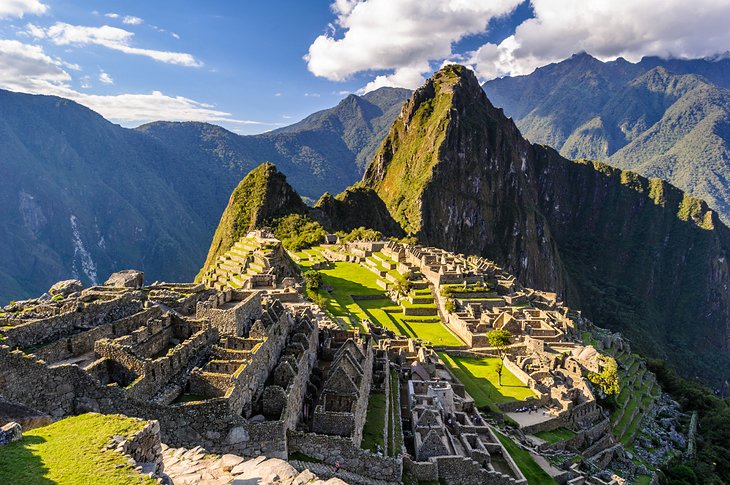
Machu Picchu, the 15th-century Incan citadel in Peru, illustrates the Incas’ ability to combine architecture with natural landscapes, especially in seismic zones.
Architectural Features
- Terraced Construction: Agricultural terraces reduced landslide risks while supporting the city’s population.
- Stone Fitting: Stones were cut and polished to fit precisely without mortar, a technique called ashlar masonry.
- Water Management: Ingenious drainage systems prevented erosion and ensured a steady water supply.
Engineering Wonders
The city’s ability to survive earthquakes without mortar is remarkable. Modern engineers analyze Incan techniques to develop earthquake-resistant construction methods today.
Example
Machu Picchu’s terraces and stone walls have resisted centuries of heavy rainfall and seismic activity, illustrating the durability of traditional engineering solutions.
The Parthenon of Athens: Harmony and Optical Refinement
The Parthenon, built between 447 and 432 BCE on the Acropolis in Athens, exemplifies Greek architectural brilliance and attention to optical perfection.
Architectural Features
- Doric Columns: Columns are slightly tapered (entasis) to counteract optical illusions of concavity.
- Proportions and Symmetry: The Parthenon’s dimensions reflect precise mathematical ratios.
- Marble Construction: Pentelic marble was used, giving it both strength and aesthetic appeal.
Engineering Innovations
Greek engineers incorporated subtle adjustments, such as curved platforms and inward-leaning columns, to enhance stability and visual harmony.
Example
Even today, engineers study the Parthenon’s subtle curvatures and load distribution strategies to understand structural optimization without modern tools.
Petra: Nabataean Rock-Cut Mastery
The city of Petra, in modern-day Jordan, demonstrates the Nabataeans’ skill in carving entire facades and structures directly into sandstone cliffs around 300 BCE.
Architectural Features
- Rock-Cut Facades: Structures like Al-Khazneh showcase intricate carvings and large open chambers.
- Water Management Systems: Nabataeans built channels, cisterns, and dams to manage scarce desert water.
- Urban Planning: Streets, temples, and tombs were integrated seamlessly into the rocky landscape.
Engineering Wonders
Carving massive structures directly from rock required precise planning and deep knowledge of sandstone’s strength and weaknesses.
Example
Petra has endured earthquakes and harsh desert conditions, revealing the Nabataeans’ mastery of geological and structural engineering principles.
The Great Wall of China: Monumental Defense Engineering
Spanning over 21,000 kilometers, the Great Wall of China (built between the 7th century BCE and the 16th century CE) is one of the longest construction projects in history.
Architectural Features
- Watchtowers: Towers were placed strategically for communication and defense.
- Material Adaptation: Builders used stone, brick, and tamped earth depending on local resources.
- Terrain Integration: The wall adapts to mountains, valleys, and deserts seamlessly.
Engineering Innovations
The wall demonstrates sophisticated surveying, load management, and labor organization on an unprecedented scale.
Example
Certain sections of the Great Wall remain standing after centuries of weathering, showing that the combination of strategic design and resourceful material use can create enduring structures.
Roman Aqueducts: Water Supply Engineering Ahead of Its Time
Roman aqueducts, constructed from around 312 BCE onward, highlight engineering focused on urban planning and public health.
Architectural Features
- Gravity-Driven Flow: Aqueducts used precise gradients to transport water over long distances.
- Arches and Bridges: Stone and concrete arches supported aqueduct channels over valleys.
- Urban Distribution: Water reached fountains, baths, and private homes efficiently.
Engineering Wonders
Aqueducts demonstrate early knowledge of fluid dynamics and materials science. Some Roman aqueducts are still in use or form the basis for modern water systems.
Example
The Pont du Gard in France, a three-tiered aqueduct bridge, stands over 2,000 years later, a marvel of precision and durability.
Angkor Wat: Khmer Architectural and Astronomical Marvel
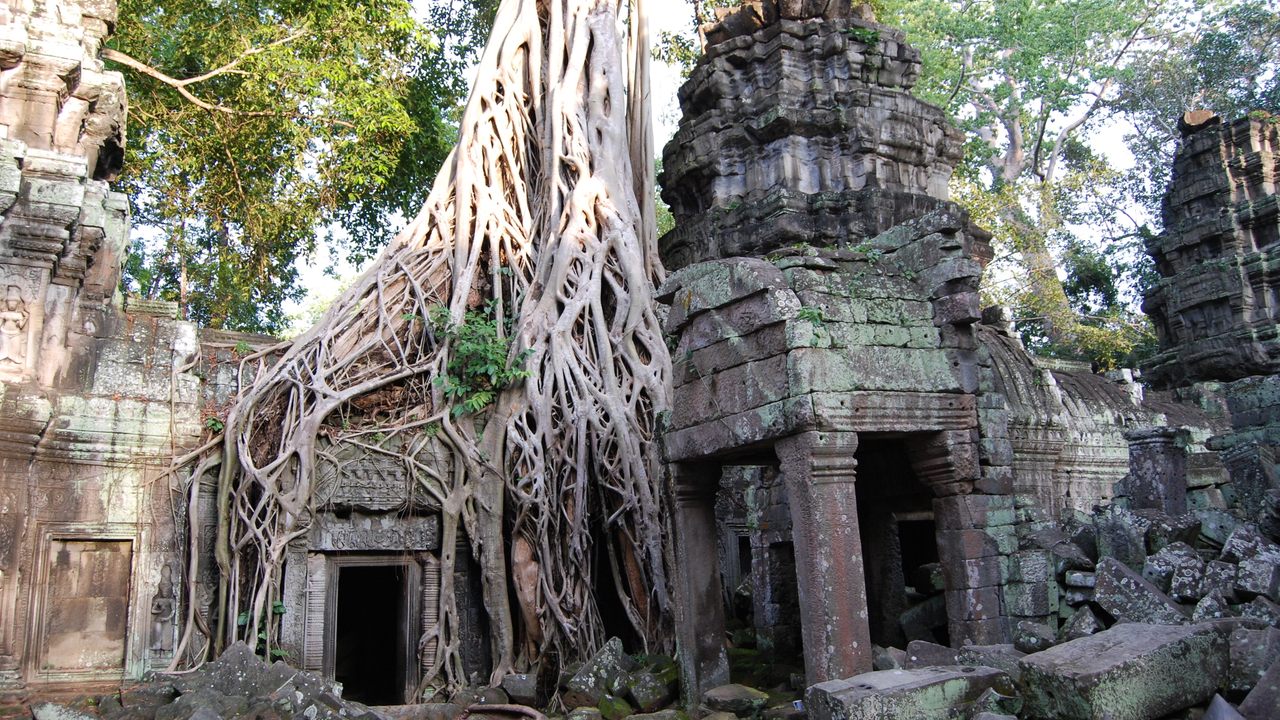
Angkor Wat in Cambodia, constructed in the early 12th century, blends religious symbolism with impressive engineering.
Architectural Features
- Temple-Mountain Design: Represents Mount Meru, the sacred home of Hindu gods.
- Sandstone Construction: Massive blocks were transported and assembled with precision.
- Moat and Reservoir Systems: Extensive water management supported agriculture and the city’s population.
Engineering Innovations
Angkor Wat’s planners combined hydrology, astronomy, and urban design to create a complex that remains largely intact.
Example
The temple aligns with celestial events, illustrating the integration of science, engineering, and religious symbolism.
FAQs About Ancient Architecture
What makes ancient architecture still relevant today?
Ancient structures demonstrate principles of durability, materials science, and structural efficiency that modern engineers continue to study.
How did ancient builders lift massive stones without modern machinery?
Techniques likely included ramps, levers, pulleys, and coordinated labor. The exact methods remain debated among experts.
Which ancient structure is considered the most earthquake-resistant?
Machu Picchu and Incan stone walls are highly earthquake-resistant due to interlocking stone techniques without mortar.
Are any ancient structures still in use today?
Yes. Examples include the Pantheon in Rome, sections of the Great Wall of China, and Roman aqueducts in Europe.
How did ancient engineers plan cities like Petra or Angkor Wat?
They combined knowledge of terrain, water supply, celestial alignments, and social needs to plan sustainable urban centers.
Ancient architecture continues to awe engineers, historians, and tourists alike. These structures not only serve as cultural icons but also as enduring lessons in creativity, problem-solving, and structural integrity. By studying these marvels, modern engineers gain inspiration and knowledge that inform contemporary construction and architectural innovation.