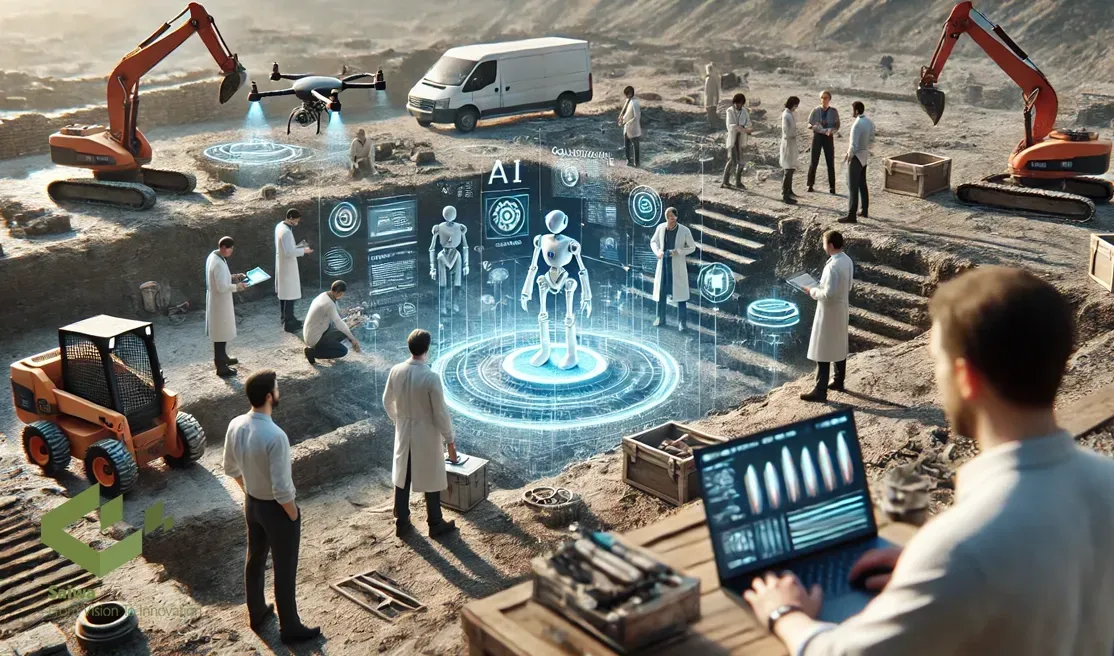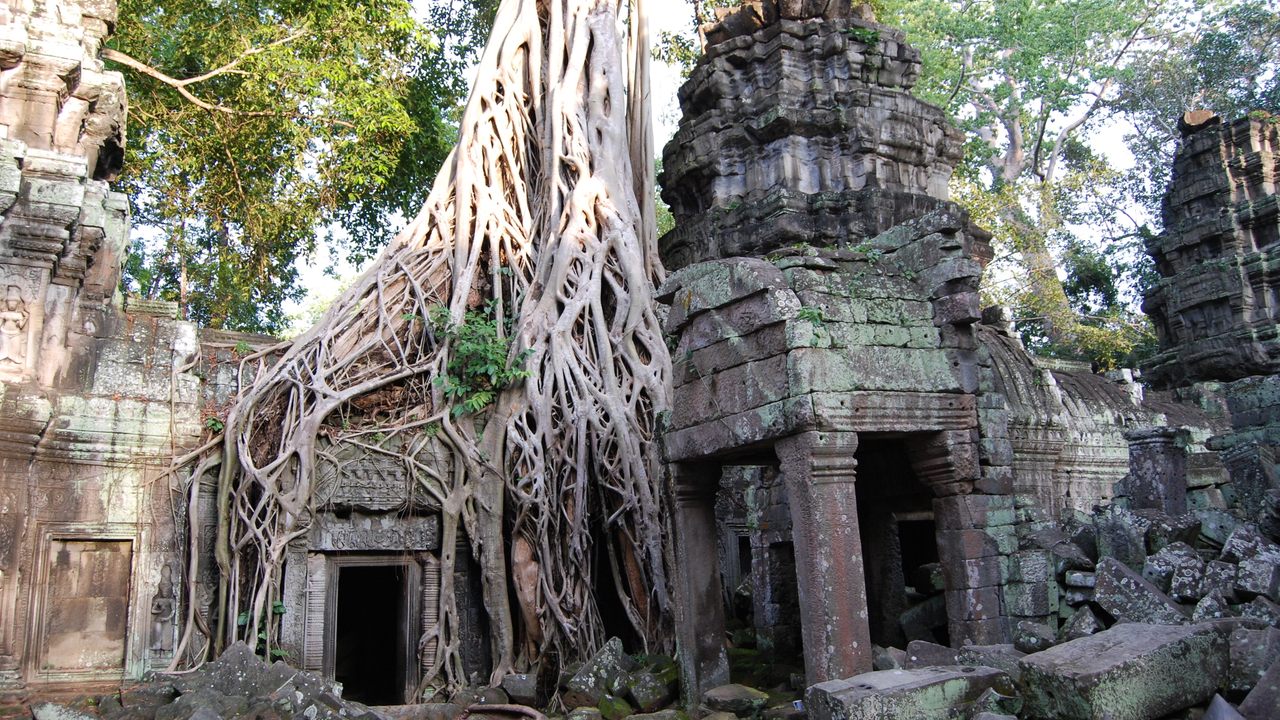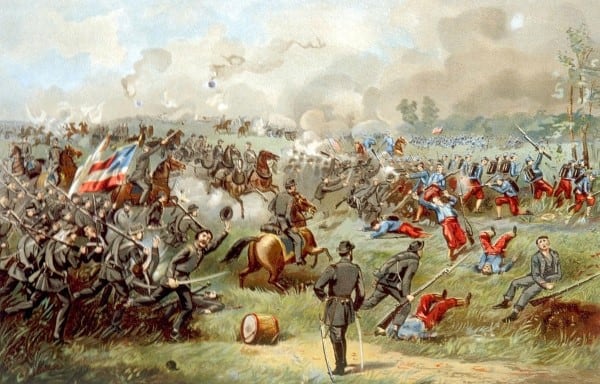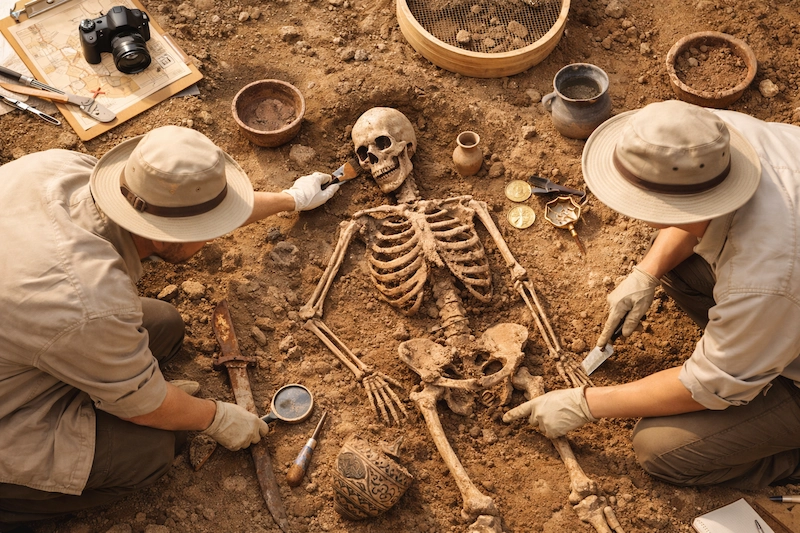
How Archaeology Helps Us Understand Modern Life. Archaeology is often associated with ancient ruins, dusty artifacts, and distant civilizations. However, its value goes far beyond studying the past. Archaeology plays a crucial role in helping us understand modern life by revealing how human societies developed, adapted, and interacted with their environments over time. By examining ancient tools, cities, art, and everyday objects, archaeologists uncover patterns that still influence how we live today.
This in-depth article explores how archaeology connects the past with the present, provides real-world examples, and explains why understanding ancient societies is essential for addressing modern challenges.
What Is Archaeology
Archaeology is the scientific study of human history through material remains. These remains include buildings, tools, art, food remains, burial sites, and even ancient waste.
What Archaeologists Study
- Ancient and historic settlements
- Everyday objects such as pottery, tools, and clothing
- Architecture and urban planning
- Trade goods and economic systems
- Religious and cultural artifacts
- Environmental evidence, like pollen and animal bones
Archaeology focuses not only on famous monuments but also on ordinary life, which makes it especially relevant to understanding modern society.
Why Archaeology Matters in the Modern World
Archaeology helps us understand where we come from and why societies function the way they do today.
Key Reasons Archaeology Is Important
- Explains the origins of modern cultures and traditions
- Reveals long-term human behavior patterns
- Provides lessons about sustainability and resource use
- Helps preserve cultural identity
- Informs modern science, medicine, and technology
Modern life is deeply rooted in ancient decisions, innovations, and adaptations.
Understanding Modern Cities Through Ancient Urban Planning
Early Urban Design and Modern Cities
Many features of modern cities originated in ancient times. Archaeology shows that organized urban planning existed thousands of years ago.
Examples of Ancient Urban Influence
Indus Valley Civilization
Cities like Mohenjo-Daro had grid layouts, drainage systems, and standardized construction. These features resemble modern urban planning principles.
Ancient Rome
Roman roads, aqueducts, and public spaces influenced modern transportation systems and city infrastructure.
Modern Relevance
Archaeological studies of ancient cities help urban planners understand long-term challenges such as overcrowding, sanitation, and water management.
Archaeology and Modern Technology
Ancient Innovation Inspiring Modern Solutions
Many technologies considered modern have ancient origins.
Examples of Technological Influence
Mathematics and Engineering
Ancient Egyptians and Greeks used geometry to build pyramids and temples, forming the basis of modern engineering.
Medicine
Archaeological discoveries of medical tools and texts show early surgeries, dental care, and herbal treatments that influenced modern medicine.
Agriculture
Ancient farming techniques such as irrigation, terracing, and crop rotation are still used today.
Modern Relevance
By studying ancient technologies, scientists can rediscover sustainable solutions suited for modern environmental challenges.
How Archaeology Explains Social Structures
Origins of Social Organization
Archaeology reveals how early societies organized social classes, leadership, and labor.
Examples of Social Insights
Burial Practices
Graves with varying levels of wealth show social inequality, hierarchy, and beliefs about status.
Housing Patterns
Differences in home sizes and locations reflect class divisions that still exist in modern societies.
Modern Relevance
Understanding ancient social systems helps explain the roots of inequality, governance, and community organization today.
Archaeology and Modern Cultural Identity
Connecting People to Their Past
Archaeology helps communities understand their origins and cultural heritage.
Examples of Cultural Identity
Indigenous Cultures
Archaeological research supports indigenous histories that were often ignored or misrepresented.
National Identity
Ancient monuments and sites contribute to national pride and shared history.
Modern Relevance
Cultural identity influences language, traditions, values, and social cohesion in modern societies.
Lessons About Sustainability from Archaeology
How Ancient Societies Managed Resources
Archaeology shows how civilizations succeeded or failed in managing natural resources.
Examples of Sustainability Lessons
Maya Civilization
Evidence suggests deforestation and drought contributed to the Maya collapse.
Mesopotamia
Over-irrigation led to soil salinization and agricultural decline.
Modern Relevance
These examples warn modern societies about the consequences of environmental mismanagement and climate change.
Archaeology and Modern Economics
Trade and Globalization in the Ancient World
Ancient trade networks were more extensive than once believed.
Examples of Ancient Economic Systems
Silk Road
Archaeological finds show goods, ideas, and technologies moved across continents.
Mediterranean Trade
Roman ports and shipwrecks reveal complex economic systems similar to modern global trade.
Modern Relevance
Understanding ancient economies helps explain the origins of globalization, trade dependency, and economic inequality.
Archaeology and Modern Warfare
Studying Ancient Conflict
Weapons, fortifications, and battle sites provide insight into how warfare evolved.
Examples of Military Insights
Defensive Architecture
Ancient walls and forts reveal strategies still used in modern military planning.
Psychological Warfare
Symbols, monuments, and propaganda existed even in ancient conflicts.
Modern Relevance
Archaeology helps military historians and strategists understand long-term patterns of conflict and defense.
Archaeology and Public Health
Ancient Health Practices
Archaeological evidence reveals how people dealt with disease and injury.
Examples of Health Insights
Skeleton Analysis
Bones show signs of malnutrition, disease, and physical stress.
Sanitation Systems
Ancient drainage systems demonstrate early understanding of hygiene.
Modern Relevance
These findings help modern researchers study disease evolution and public health development.
Archaeology and Climate Change Research
Studying Past Climate Events
Archaeology provides data on how ancient societies responded to climate shifts.
Examples of Climate Evidence
- Pollen analysis showing vegetation changes
- Ice cores reveal temperature fluctuations
- Settlement abandonment linked to droughts
Modern Relevance
Understanding past climate responses helps predict future societal impacts of climate change.
How Archaeology Shapes Modern Education
Teaching Critical Thinking
Archaeology encourages analysis, interpretation, and evidence-based reasoning.
Interdisciplinary Learning
It combines history, science, geography, biology, and technology.
Modern Relevance
These skills are essential in modern education and problem-solving.
Archaeology and Modern Ethics
Preserving Cultural Heritage
Archaeology raises ethical questions about ownership, repatriation, and preservation.
Examples of Ethical Issues
- Museum collections and artifact ownership
- Protection of sacred sites
- Preventing looting and illegal trade
Modern Relevance
These debates influence modern laws, international cooperation, and cultural respect.
Everyday Objects and Modern Behavior
Learning From Ordinary Artifacts
Simple items like pottery, tools, and toys reveal daily routines and values.
Modern Relevance
Understanding everyday life in the past helps us recognize patterns in consumption, creativity, and social interaction today.
How Archaeology Connects Past and Present Communities
Shared Human Experience
Archaeology shows that people across time faced similar challenges.
Examples of Shared Experiences
- Raising families
- Building homes
- Creating art
- Solving problems
Modern Relevance
This connection fosters empathy and global understanding.
Frequently Asked Questions
How does archaeology relate to modern life
Archaeology explains the origins of modern systems such as cities, laws, technology, and culture.
Can archaeology help solve modern problems?
Yes. Archaeology provides lessons on sustainability, resource management, and social resilience.
Is archaeology only about ancient history?
No. Archaeology also studies recent history, including industrial sites and modern conflict zones.
How does archaeology influence modern science?
It contributes to fields like medicine, climate science, engineering, and environmental studies.
Why should modern society care about archaeology?
Understanding the past helps us make informed decisions about the future.
Final Thoughts
Archaeology is not just about uncovering ancient ruins; it is about understanding humanity itself. By studying how past societies lived, adapted, and sometimes failed, archaeology offers powerful insights into modern life. From urban planning and technology to social structures and environmental challenges, the past continues to shape the present.
As modern societies face complex issues such as climate change, inequality, and cultural conflict, archaeology provides long-term perspectives that no other discipline can offer. In understanding where we come from, we gain valuable knowledge about where we are—and where we might be headed.