Lost Cities of the Ancient World and How They Were Found. Throughout human history, entire cities have vanished from memory, buried by time, nature, and shifting civilizations. These lost cities were once thriving centers of culture, trade, religion, and innovation. For centuries, many were known only through myths, legends, or ancient texts—until archaeology brought them back into the light.
This in-depth article explores some of the most famous lost cities of the ancient world, explains how they disappeared, and reveals the fascinating stories of how they were rediscovered. These discoveries not only reshaped historical knowledge but also proved that legend and history are often deeply connected.
What Is a Lost City
A lost city is an ancient settlement that was abandoned and forgotten for a long period of time. Its exact location may have been unknown or disputed until rediscovery through archaeology, exploration, or technology.
Common Reasons Cities Were Lost
- Natural disasters such as earthquakes, volcanic eruptions, or floods
- Climate change and environmental degradation
- Invasions, wars, and political collapse
- Economic decline and trade route shifts
- Disease and population migration
- Overgrowth by jungles, deserts, or sand
Lost cities are time capsules that offer rare insights into ancient civilizations.
Why Lost Cities Fascinate the World
Lost cities capture the imagination because they combine mystery, adventure, and historical truth. Many were thought to be fictional until physical evidence proved otherwise.
Importance of Rediscovering Lost Cities
- Confirms historical texts and legends
- Reveals advanced ancient engineering and planning
- Provides insight into societal collapse
- Preserves cultural heritage
- Helps us understand human adaptation and resilience
Pompeii: A City Frozen in Time
How Pompeii Was Lost
Pompeii was a Roman city near Mount Vesuvius. In 79 CE, a sudden volcanic eruption buried the city under ash and pumice, killing thousands and sealing the city instantly.
How Pompeii Was Found
Pompeii was accidentally rediscovered in 1748 during construction work. Excavations revealed streets, homes, shops, frescoes, and even human remains preserved in stunning detail.
Why Pompeii Is Significant
Pompeii offers an unmatched snapshot of everyday Roman life, from social habits to architecture and economy.
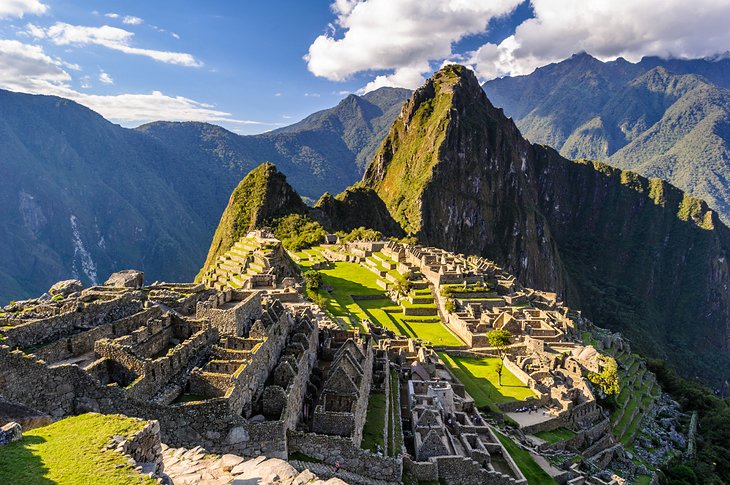
Machu Picchu: The Lost City of the Incas
How Machu Picchu Was Lost
After the Spanish conquest of the Inca Empire, Machu Picchu was abandoned and gradually reclaimed by dense jungle. Its remote mountain location kept it hidden from outsiders.
How Machu Picchu Was Found
In 1911, explorer Hiram Bingham was guided by local farmers to the ruins while searching for ancient Inca cities.
Why Machu Picchu Is Significant
The city showcases Incan engineering mastery, including terraced agriculture, stone construction, and advanced water management systems.
Troy: From Myth to Reality
How Troy Was Lost
Troy, famously described in Homer’s epics, was believed for centuries to be a mythical city. Its real location was unknown, and many doubted it ever existed.
How Troy Was Found
In the 1870s, Heinrich Schliemann excavated a site in modern-day Turkey and uncovered multiple layers of ancient cities.
Why Troy Is Significant
The discovery confirmed that Troy was real and that legendary events like the Trojan War likely had historical foundations.
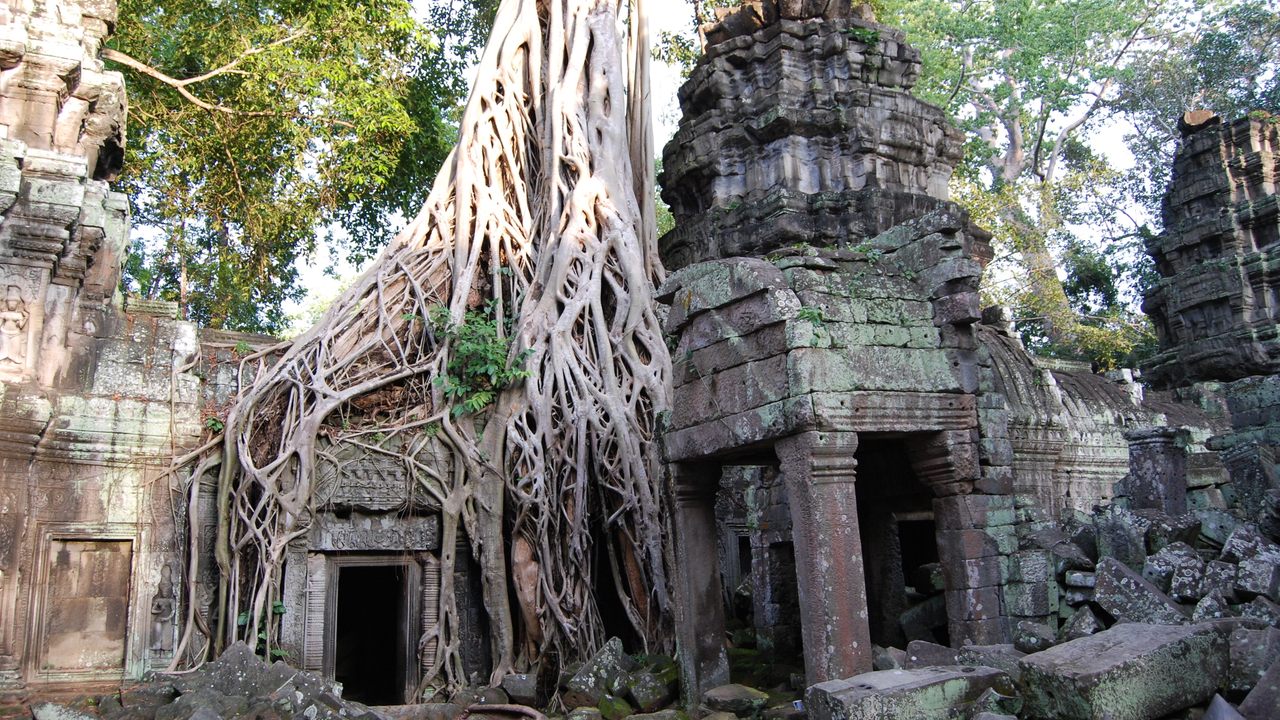
Angkor: The Jungle-Covered Metropolis
How Angkor Was Lost
Angkor was the capital of the Khmer Empire, once home to nearly a million people. Over time, environmental stress, political instability, and shifting trade routes led to its decline.
How Angkor Was Found
Although never completely forgotten by locals, Angkor was largely hidden by jungle until Western explorers documented it in the 19th century.
Why Angkor Is Significant
Angkor is one of the largest pre-industrial urban centers ever discovered, with advanced water systems and monumental architecture.
Petra: The Rose City of the Desert
How Petra Was Lost
Petra, carved into rose-colored rock in modern-day Jordan, was a major trading hub of the Nabataean civilization. After trade routes shifted, the city declined and was eventually abandoned.
How Petra Was Found
In 1812, Swiss explorer Johann Ludwig Burckhardt rediscovered Petra by disguising himself and gaining access through local guides.
Why Petra Is Significant
Petra’s rock-cut architecture and sophisticated water systems demonstrate exceptional ancient engineering in a harsh desert environment.
The Indus Valley Cities: Harappa and Mohenjo-Daro
How They Were Lost
The Indus Valley Civilization declined around 1900 BCE due to environmental changes, river shifts, and possible social upheaval.
How They Were Found
In the 1920s, archaeologists excavating in British India uncovered large, planned cities beneath mounds of earth.
Why They Are Significant
These cities featured grid layouts, advanced drainage systems, and standardized construction, showing remarkable urban planning.
The Lost City of Helike
How Helike Was Lost
Helike was a prosperous Greek city destroyed by an earthquake and tsunami in 373 BCE. Ancient writers described it sinking beneath the sea.
How Helike Was Found
In the late 20th century, archaeologists used geological surveys and underwater exploration to locate the submerged remains.
Why Helike Is Significant
Helike may have inspired legends like Atlantis and demonstrates how natural disasters can erase entire cities.
Tikal: A Maya City in the Jungle
How Tikal Was Lost
Tikal, one of the most powerful Maya cities, was abandoned around the 10th century due to environmental stress and political decline. Dense jungle concealed its ruins.
How Tikal Was Found
Although known to locals, systematic exploration and mapping occurred in the 19th and 20th centuries using archaeology and later aerial surveys.
Why Tikal Is Significant
Tikal reveals the complexity of Maya political systems, architecture, and astronomical knowledge.
The Lost City of Atlantis
Legend or Reality
Plato describes Atlantis as a powerful island civilization that sank into the ocean. Its existence remains unproven.
Searches for Atlantis
Numerous locations have been proposed, including the Mediterranean, Atlantic Ocean, and Caribbean.
Why Atlantis Matters
Even if mythical, Atlantis represents humanity’s fascination with lost knowledge and the consequences of societal collapse.
How Lost Cities Are Discovered
Traditional Archaeology
Excavation, historical texts, and local knowledge remain essential tools for uncovering new discoveries.
Modern Technology
- Satellite imagery
- Aerial photography
- LiDAR scanning
- Ground-penetrating radar
- Underwater exploration
These technologies have revealed cities hidden beneath jungles, deserts, and oceans.
Why Cities Become Lost
Environmental Change
Climate shifts can cause droughts, floods, or resource depletion.
Human Factors
War, invasion, political instability, and economic decline often lead to abandonment.
Natural Disasters
Earthquakes, volcanoes, and tsunamis can destroy cities suddenly.
Lessons from Lost Cities
Civilization Is Fragile
Even advanced societies can collapse under environmental or social pressure.
Adaptation Is Crucial
Survival depends on the ability to adapt to changing conditions.
History Repeats Patterns
Modern cities face challenges similar to those of ancient civilizations.
Frequently Asked Questions
What is the most famous lost city in the world
Machu Picchu and Pompeii are among the most famous due to their preservation and historical importance.
Are lost cities still being discovered today
Yes. New technologies continue to uncover hidden cities beneath forests, deserts, and oceans.
Why were many lost cities forgotten?
Lack of written records, population collapse, and environmental overgrowth caused many cities to fade from memory.
Can legends be based on real lost cities
Yes. Troy and possibly Helike show that myths can have historical origins.
What is the oldest lost city ever discovered
Sites like Jericho and Göbekli Tepe date back over 10,000 years and challenge ideas about early civilization.
Final Thoughts
Lost cities of the ancient world are powerful reminders of humanity’s rise, resilience, and vulnerability. Each rediscovered city tells a story of innovation, adaptation, and eventual decline. From jungle-covered temples to cities buried by volcanic ash, these places reveal how civilizations once thrived—and why they fell.
As archaeological tools advance and exploration continues, more lost cities will likely emerge, offering new chapters in the ever-evolving story of human history. The past is not truly lost; it is waiting to be found.