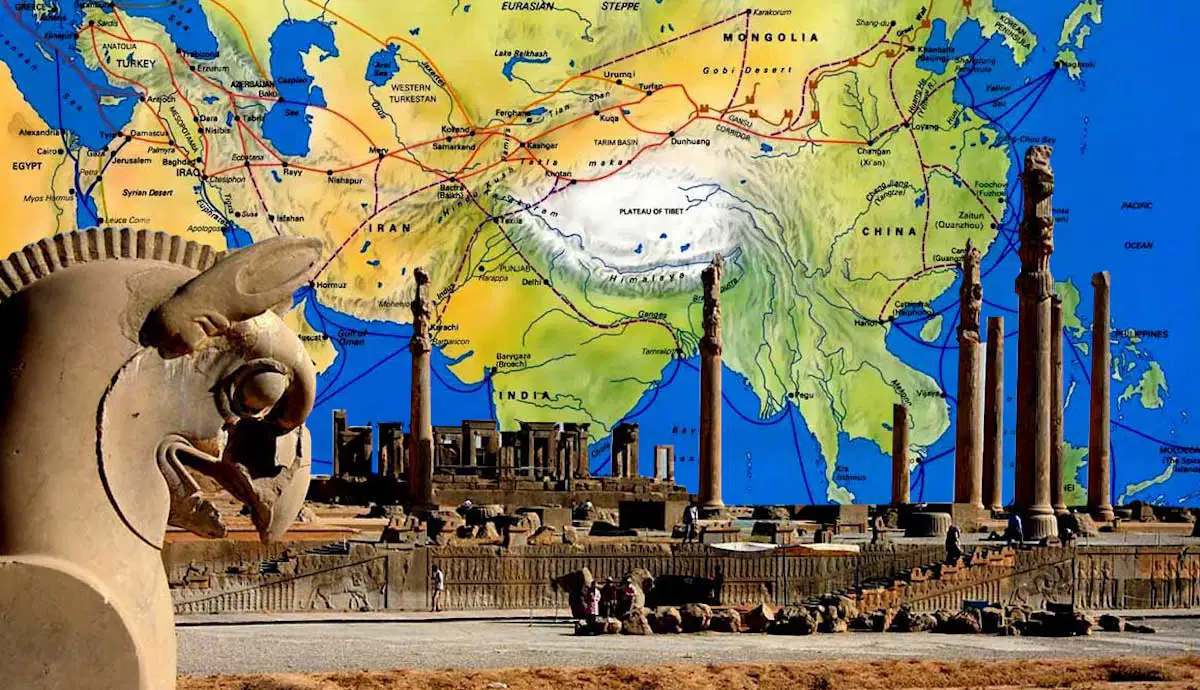
Great Ancient Civilizations That Changed Human History. Ancient civilizations laid the foundation for modern society. From governance systems and architectural marvels to scientific discoveries and cultural traditions, these early societies shaped the course of human history. Understanding great ancient civilizations helps us appreciate how humanity evolved socially, politically, economically, and intellectually over thousands of years.
This detailed guide explores the most influential ancient civilizations, their achievements, and how their legacies continue to impact the modern world.
What Defines an Ancient Civilization
Before exploring specific civilizations, it is important to understand what makes a society a civilization.
Key Characteristics of Ancient Civilizations
Ancient civilizations typically shared several defining features:
- Permanent settlements and cities
- Organized government and laws
- Social class structures
- Advanced agriculture and food surplus
- Written language or record-keeping systems
- Technological and architectural advancements
- Religious or belief systems
These elements allowed civilizations to grow, innovate, and influence neighboring societies.
Mesopotamian Civilization
Overview of Mesopotamia
Mesopotamia, often called the cradle of civilization, developed between the Tigris and Euphrates rivers in present-day Iraq. It emerged around 3500 BCE and was home to several influential cultures, including the Sumerians, Akkadians, Babylonians, and Assyrians.
Major Contributions
Writing and Record Keeping
The Sumerians invented cuneiform, one of the earliest writing systems, allowing them to record laws, trade, and religious practices.
Legal Systems
The Code of Hammurabi established one of the first written legal codes, introducing concepts of justice and punishment based on law.
Agriculture and Technology
Irrigation systems improved farming productivity, supporting large urban populations.
Lasting Impact
Modern legal systems, writing traditions, and city planning trace their roots back to Mesopotamian innovations.
Ancient Egyptian Civilization
Overview of Ancient Egypt
Ancient Egypt flourished along the Nile River from around 3100 BCE to 30 BCE. Its stability, wealth, and centralized government enabled remarkable cultural achievements.
Major Contributions
Architecture and Engineering
The construction of pyramids, temples, and monuments demonstrated advanced engineering and mathematical knowledge.
Medical Knowledge
Egyptians practiced early forms of surgery, dentistry, and herbal medicine, documenting treatments in medical papyri.
Writing and Education
Hieroglyphics served as both a written language and an artistic expression used in religious and administrative contexts.
Lasting Impact
Egyptian innovations in architecture, medicine, and governance influenced later Greek and Roman civilizations.
Indus Valley Civilization
Overview of the Indus Valley
The Indus Valley Civilization thrived around 2600–1900 BCE in present-day Pakistan and northwest India. Major cities included Harappa and Mohenjo-Daro.
Major Contributions
Urban Planning
Cities featured grid layouts, advanced drainage systems, and standardized brick construction.
Trade and Economy
Extensive trade networks connected the Indus Valley with Mesopotamia and surrounding regions.
Public Sanitation
Homes often had private bathrooms and drainage, highlighting advanced public health awareness.
Lasting Impact
The Indus Valley set early standards for urban infrastructure and hygiene that remain relevant today.
Ancient Chinese Civilization
Overview of Ancient China
Chinese civilization developed along the Yellow and Yangtze rivers around 2000 BCE. It evolved through multiple dynasties, each contributing to China’s long-lasting cultural identity.
Major Contributions
Writing System
Chinese characters created a continuous written tradition still used in modern times.
Philosophy and Ethics
Confucianism, Daoism, and Legalism shaped social values, governance, and education.
Technological Innovations
China introduced paper, gunpowder, the compass, and printing, which transformed global communication and warfare.
Lasting Impact
Chinese inventions and philosophies continue to influence global culture, science, and governance.
Ancient Greek Civilization
Overview of Ancient Greece
Ancient Greece emerged around 800 BCE and consisted of independent city-states such as Athens, Sparta, and Corinth.
Major Contributions
Democracy and Governance
Athens developed early democratic principles that inspired modern political systems.
Philosophy and Science
Thinkers like Socrates, Plato, and Aristotle laid the foundation for Western philosophy, logic, and scientific inquiry.
Arts and Literature
Greek drama, poetry, and sculpture established artistic standards still admired today.
Lasting Impact
Modern philosophy, political theory, education, and art owe much to ancient Greek ideas.
Roman Civilization
Overview of Ancient Rome
Rome began as a small city-state around 753 BCE and grew into a vast empire that dominated Europe, North Africa, and the Middle East.
Major Contributions
Law and Governance
Roman law introduced principles such as legal equality, contracts, and citizenship.
Engineering and Infrastructure
Roads, aqueducts, bridges, and public buildings demonstrated advanced engineering skills.
Military Organization
Roman military strategies influenced warfare for centuries.
Lasting Impact
Many modern legal systems, languages, and architectural styles trace their roots to Roman civilization.
Maya Civilization
Overview of the Maya
The Maya civilization flourished in Mesoamerica from around 2000 BCE to 1500 CE, primarily in present-day Mexico, Guatemala, and Honduras.
Major Contributions
Astronomy and Mathematics
The Maya developed precise calendars and advanced astronomical observations.
Writing System
Maya hieroglyphs recorded history, religion, and scientific knowledge.
Architecture
Pyramids, temples, and observatories reflected religious and scientific sophistication.
Lasting Impact
Mayan achievements in astronomy and mathematics continue to fascinate scholars today.
Inca Civilization
Overview of the Inca Empire
The Inca Empire rose in South America during the 15th century, covering much of the Andes Mountains.
Major Contributions
Road Networks
The Inca built an extensive road system connecting their empire across difficult terrain.
Agriculture
Terraced farming and irrigation allowed crops to grow in mountainous regions.
Administration
The use of quipu, a system of knotted cords, helped manage records and resources.
Lasting Impact
Inca agricultural methods and engineering techniques remain influential in Andean regions.
Ancient Persian Civilization
Overview of Persia
The Persian Empire emerged around 550 BCE under Cyrus the Great and became one of the largest empires in ancient history.
Major Contributions
Governance and Tolerance
Persia promoted religious tolerance and regional autonomy within a centralized administration.
Infrastructure
Royal roads and postal systems enhanced communication and trade.
Cultural Exchange
Persia connected East and West, facilitating the exchange of ideas and technologies.
Lasting Impact
Persian governance models influenced later empires and administrative systems.
Why Ancient Civilizations Matter Today
Ancient civilizations shaped fundamental aspects of modern life:
- Legal systems and governance structures
- Scientific methods and technological innovation
- Art, literature, and architecture
- Social organization and cultural identity
Studying these civilizations helps us understand human resilience, creativity, and the origins of global society.
Lessons Learned from Ancient Civilizations
Innovation Drives Progress
Many ancient societies thrived because they embraced innovation in agriculture, technology, and governance.
Adaptation Is Essential
Civilizations that adapted to environmental and social challenges survived longer and left lasting legacies.
Cultural Exchange Enriches Societies
Trade and interaction between civilizations accelerated progress and knowledge sharing.
Frequently Asked Questions
What is considered the oldest civilization in history?
Mesopotamia is widely regarded as the oldest known civilization, dating back to around 3500 BCE.
Why did ancient civilizations develop near rivers?
Rivers provided water for drinking, farming, transportation, and trade, making them ideal locations for settlement.
How did ancient civilizations influence modern society?
They established foundations for law, governance, science, architecture, and cultural traditions still used today.
Did ancient civilizations interact with each other?
Yes, many civilizations traded goods, shared ideas, and influenced each other through cultural exchange.
Why did many ancient civilizations collapse?
Common reasons include environmental changes, resource depletion, invasions, political instability, and economic decline.
Final Thoughts
Great ancient civilizations transformed human history through innovation, organization, and cultural achievements. From the legal codes of Mesopotamia and architectural wonders of Egypt to the philosophical ideas of Greece and engineering feats of Rome, these societies shaped the world we live in today.
By studying ancient civilizations, we gain valuable insight into humanity’s past, learn lessons for the future, and develop a deeper appreciation for the shared heritage that connects all cultures across time.