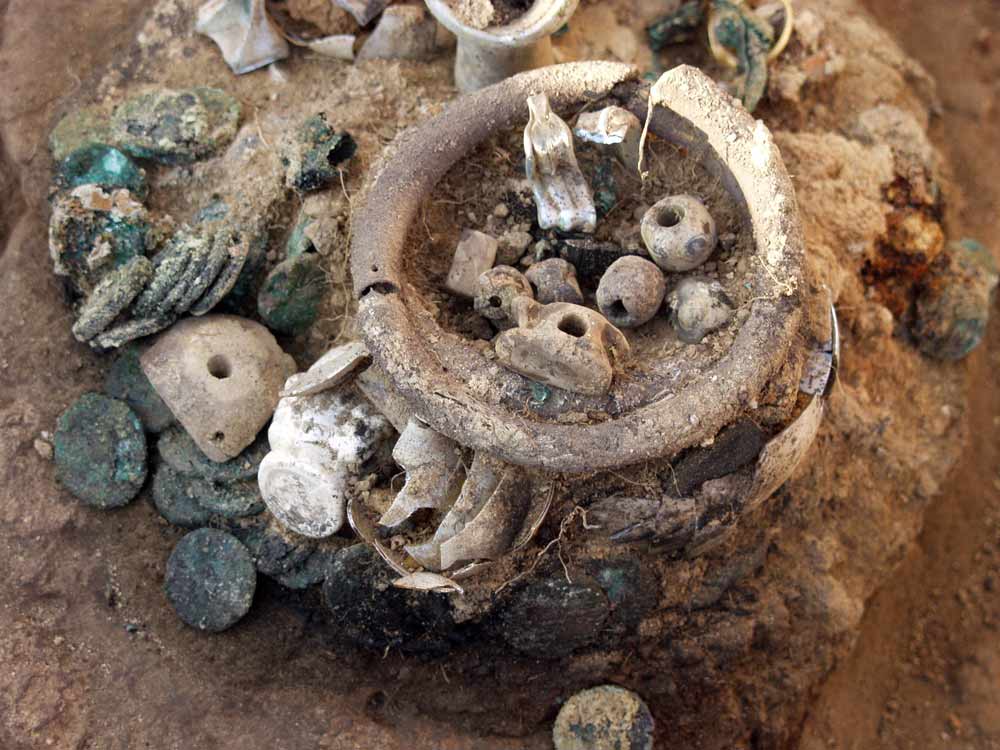
New Archaeological Discoveries You Should Know About. Archaeology continues to reveal fascinating insights about human history, civilizations, and cultural evolution. Recent discoveries have challenged previous assumptions, uncovered hidden histories, and deepened our understanding of ancient societies. From ancient tombs to underwater cities, these findings provide fresh perspectives on the past and captivate both researchers and enthusiasts alike.
The Significance of New Archaeological Discoveries
Archaeological discoveries are more than just relics; they are time capsules that illuminate forgotten aspects of human history. Modern techniques, including ground-penetrating radar, DNA analysis, and 3D modeling, have accelerated these breakthroughs.
Why New Discoveries Matter
- Rewriting History: New findings can reshape established timelines and challenge historical narratives.
- Cultural Understanding: Artifacts and structures reveal social structures, religious practices, and trade networks.
- Technological Insights: Ancient engineering, tools, and innovations inform modern science and engineering.
Example
The discovery of the Göbekli Tepe temple in Turkey, dating back over 11,000 years, shifted our understanding of early human societies, showing that complex ritual centers existed before agriculture.
Ancient Tombs and Burial Sites Unearthed
Recent discoveries in tombs and burial sites offer new insights into ancient beliefs, rituals, and daily life.
Egyptian Tombs: Secrets of the Pharaohs
Archaeologists have recently uncovered tombs in Egypt that reveal details about lesser-known pharaohs and elite officials.
Key Discoveries
- Hidden Tombs in Saqqara: In 2020, more than 50 coffins and mummies were discovered, some dating back over 2,500 years.
- Mummification Techniques: Analysis of preserved bodies shows advanced embalming methods and ritual practices.
Example
The tomb of Psamtik I’s officials revealed intricate hieroglyphs and funerary goods, indicating the high status of individuals outside the royal family.
Mesoamerican Burial Sites
Excavations in Mexico and Central America have uncovered richly adorned tombs of ancient rulers and priests.
Key Discoveries
- El Marqués Tombs: Murals and jade offerings from the pre-Columbian era highlight religious symbolism.
- Underwater Cenotes: Ritual offerings, including gold, ceramics, and human remains, were found in sacred sinkholes, demonstrating ceremonial practices.
Lost Cities and Settlements Found
Lost cities continue to emerge, revealing the urban planning, trade, and lifestyle of ancient civilizations.
Underwater Discoveries
Recent underwater archaeology has uncovered submerged cities and harbors, offering a glimpse into civilizations affected by rising sea levels.
Key Discoveries
- The Sunken City of Pavlopetri: Off the coast of Greece, dating back 5,000 years, this city shows advanced street planning, building foundations, and trade networks.
- Dwarka in India: Believed to be linked to ancient Indian mythology, underwater excavations reveal stone structures and artifacts suggesting urban life around 5,000 years ago.
Example
Pavlopetri’s grid layout with residential and commercial areas demonstrates that urban planning was sophisticated even in the Bronze Age.
Newly Found Desert Settlements
Archaeologists in the Middle East and North Africa have uncovered ancient desert settlements that survived in harsh climates.
Key Discoveries
- Nabta Playa, Egypt: A prehistoric ceremonial site with stone circles aligned to celestial events.
- Al-Ula, Saudi Arabia: Recently mapped necropolises and trade routes highlight early caravan civilizations.
Technological Artifacts That Surprise Experts
Ancient technology often surpasses expectations, showing innovation and skill that inform modern engineering.
Ancient Tools and Machinery
- Antikythera Mechanism: Ongoing studies reveal it as an ancient analog computer used to predict astronomical events.
- Roman Concrete Structures: Newly discovered harbors and aqueducts demonstrate Roman engineering capable of withstanding millennia.
Example
Recent research shows Roman concrete contained volcanic ash that improved its durability, inspiring modern eco-friendly construction methods.
Ancient Metallurgy and Craftsmanship
- Bronze and Iron Artifacts: Finds in Europe and Asia show advanced alloying techniques.
- Ornamental Jewelry: Gold, silver, and gemstones reveal symbolic, religious, and status-based uses.
Example
A 2021 excavation in Armenia uncovered Bronze Age tools and weapons, indicating metallurgy knowledge far earlier than previously believed.
Insights Into Ancient Societies From Art and Texts
Art, inscriptions, and manuscripts provide direct evidence of beliefs, governance, and daily life.
Murals and Paintings
- Cave Paintings in Spain and France: Newly discovered panels depict animals and symbolic figures, shedding light on prehistoric rituals.
- Minoan Frescoes in Crete: Recent restoration reveals depictions of religious ceremonies, sports, and maritime life.
Ancient Manuscripts
- Dead Sea Scrolls: Ongoing analysis uncovers variations in religious texts and insights into Jewish sects.
- Chinese Bamboo Slips: Newly digitized manuscripts reveal legal codes and philosophical ideas from the Warring States period.
Example
The discovery of a previously unknown scroll in Qumran suggested differing interpretations of religious laws, highlighting diversity of thought in ancient communities.
DNA and Human Remains: Understanding Ancient Populations
Recent studies of human remains provide genetic insights that rewrite migration patterns and health conditions.
Key Findings
- Denisovan and Neanderthal DNA: Analysis of fossils in Siberia and Europe reveals interbreeding and migration patterns.
- Ancient Egyptian Genomes: Studies show diverse ancestry, challenging assumptions of a homogenous population.
- Mass Graves: Excavations from medieval Europe and the Americas reveal impacts of disease and warfare on population genetics.
Example
Genetic studies on Viking remains confirm that they traveled farther than historical texts suggested, reaching North America centuries before Columbus.
FAQs About New Archaeological Discoveries
What is the most significant recent archaeological discovery?
The discovery of Göbekli Tepe in Turkey is considered groundbreaking because it predates agriculture and reshapes understanding of early human societies.
How do underwater discoveries affect historical timelines?
Submerged cities like Pavlopetri show that sophisticated urban settlements existed earlier than previously believed, changing perceptions of Bronze Age civilizations.
Can discoveries change what we know about ancient beliefs?
Yes. Tombs, inscriptions, and ritual artifacts often reveal religious and cultural practices that challenge earlier interpretations.
How do archaeologists verify the age of discoveries?
Techniques include radiocarbon dating, dendrochronology, stratigraphy, and analysis of materials and inscriptions.
Why are DNA studies important in archaeology?
DNA provides insights into human migration, ancestry, disease, and population diversity, supplementing physical and cultural evidence.
The Future of Archaeology
With advances in technology, archaeology continues to evolve. Tools like LiDAR, drones, and AI-based analysis allow archaeologists to explore areas previously inaccessible or overlooked.
Emerging Techniques
- LiDAR Scanning: Reveals hidden structures in dense forests, like Mayan cities in Central America.
- Ground-Penetrating Radar: Detects underground tombs, tunnels, and ancient infrastructure.
- 3D Modeling and VR: Allows researchers and the public to virtually explore sites and artifacts.
Example
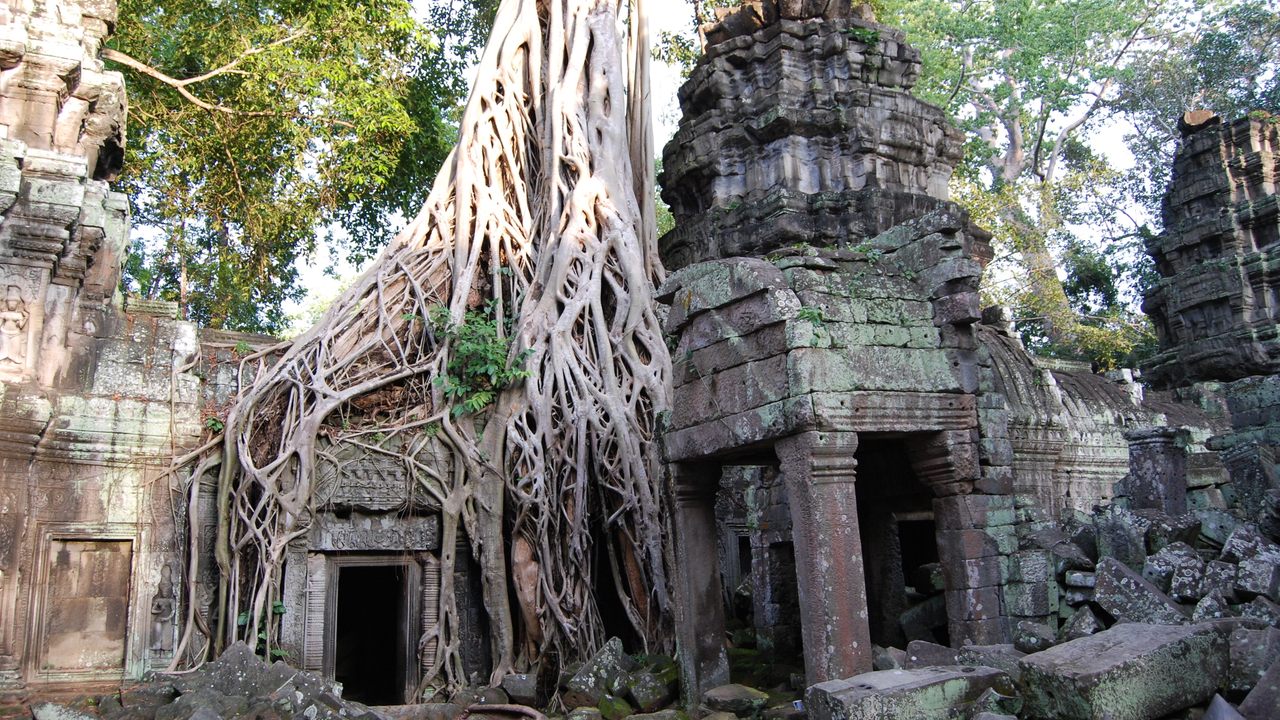
LiDAR scanning in Cambodia uncovered thousands of previously unknown structures around Angkor Wat, showing that the ancient city was far more extensive than imagined.
Implications
These techniques will continue to reveal lost civilizations, undocumented cultural practices, and previously unknown technological innovations, offering a more complete picture of human history.
Conclusion
New archaeological discoveries constantly reshape our understanding of the past. From tombs and lost cities to artifacts and DNA analysis, each finding offers valuable insights into ancient civilizations, their technologies, beliefs, and social structures. As modern tools and research methods evolve, archaeology promises even more revelations about humanity’s journey through time, connecting us to the ingenuity and culture of our ancestors.