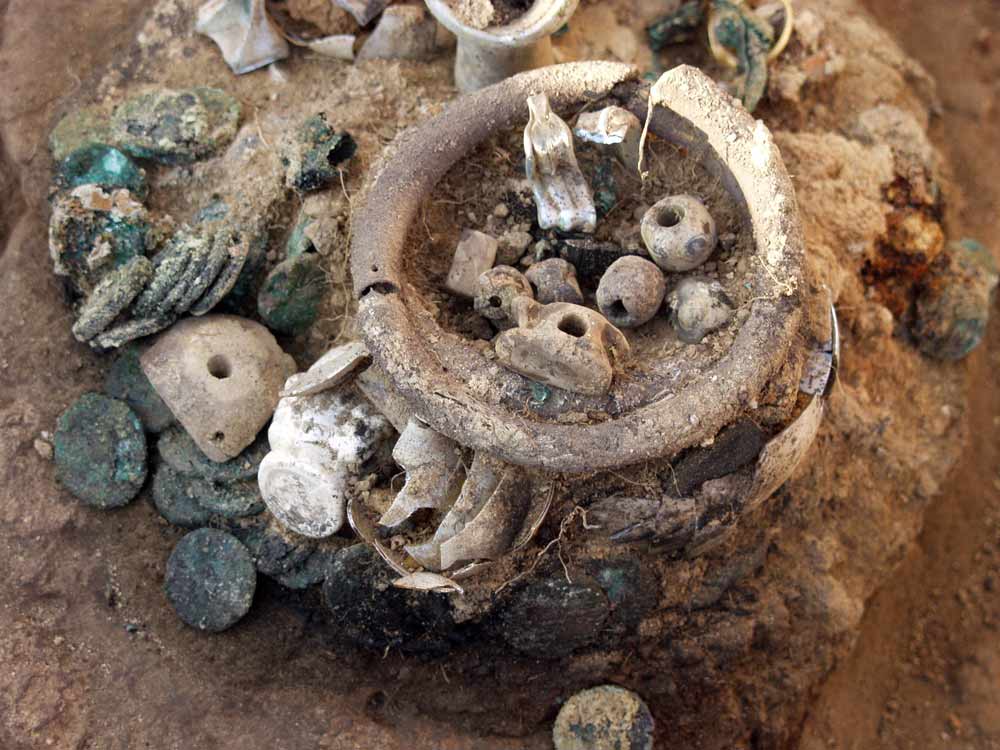
Buried Treasures: Real Archaeological Finds, Not Myths. The idea of buried treasure has captured human imagination for centuries, from pirate gold to lost city treasures. While myths and legends dominate popular culture, real archaeological discoveries have unearthed incredible artifacts, hoards, and valuables that reveal the wealth, culture, and history of past civilizations. These finds provide tangible evidence of human creativity, trade, and social structure, separating fact from fiction.
This article explores some of the most fascinating real archaeological treasures, their historical significance, the stories behind their discovery, and what they teach us about ancient societies.
Understanding Archaeological Treasures
Archaeological treasures are discoveries that provide insight into ancient civilizations. Unlike mythical tales of hidden gold, these finds are documented, analyzed, and preserved by experts.
What Qualifies as a Treasure
- Valuable materials such as gold, silver, and gemstones
- Artifacts with historical or cultural significance
- Well-preserved objects that reveal daily life, religion, or trade
- Hoards deliberately hidden for protection or ritual purposes
Treasures are not just about monetary value—they tell stories about human civilization.
The Staffordshire Hoard: Anglo-Saxon Wealth Unearthed
Overview
Discovered in 2009 in Staffordshire, England, the Staffordshire Hoard is the largest collection of Anglo-Saxon gold and silver metalwork ever found.
Contents
- Over 3,500 items, including sword fittings, helmets, and decorative crosses
- Predominantly military-related artifacts
- Gold, garnet, and silver craftsmanship
Historical Significance
- Provides insight into Anglo-Saxon warfare and artistry
- Shows the wealth and skill of early medieval England
- Suggests ritual burial or safekeeping during conflict
The Staffordshire Hoard demonstrates how treasures can illuminate both everyday life and ceremonial practices of ancient societies.
The Treasure of Tutankhamun: Egypt’s Iconic Tomb
Overview
Discovered in 1922 by Howard Carter in the Valley of the Kings, Tutankhamun’s tomb is one of the most famous archaeological treasures.
Contents
- Gold mask and sarcophagus
- Jewelry, chariots, and ceremonial items
- Painted and inscribed walls detailing the pharaoh’s life and afterlife
Significance
- Provided a nearly intact snapshot of 18th Dynasty Egypt
- Showed religious beliefs, burial customs, and craftsmanship
- Sparked global interest in Egyptology
Tutankhamun’s tomb illustrates how treasures reveal social hierarchy, religion, and artistic achievement.
The Oxus Treasure: Persian Wealth from Antiquity
Overview
The Oxus Treasure, discovered near the Amu Darya river in modern Uzbekistan, dates back to the Achaemenid Persian Empire (circa 6th–4th century BCE).
Contents
- Gold and silver vessels
- Figurines of animals and humans
- Coins with intricate designs
Historical Importance
- Highlights Persian artistry, religious symbolism, and wealth
- Suggests ceremonial or ritual use rather than daily commerce
- Offers insight into early Persian trade and cultural influence
The Oxus Treasure emphasizes the scale and sophistication of ancient empires.
Viking Hoards: Gold, Silver, and Seafaring Culture
Overview
Viking hoards discovered across Scandinavia and the British Isles provide evidence of trade, wealth, and raiding activity (circa 8th–11th centuries CE).
Notable Finds
- Silver coins from the Middle East and Europe
- Gold jewelry and arm rings
- Weapons and decorative items
Cultural Significance
- Reflects the Viking economy and global connections
- Shows the importance of hoarding and treasure as social and political tools
- Provides evidence of craftsmanship and long-distance trade
Viking hoards illustrate how treasures can illuminate both everyday life and international exchange.
The Hoxne Hoard: Roman England’s Hidden Wealth
Overview
Discovered in Suffolk, England, in 1992, the Hoxne Hoard is the largest hoard of late Roman silver and gold found in Britain.
Contents
- Coins, silver tableware, and jewelry
- Over 15,000 coins spanning multiple emperors
- Decorative items, including silver spoons and gold rings
Historical Context
- Likely buried for safekeeping during times of unrest
- Provides insight into Roman Britain’s economy, wealth distribution, and trade
- Highlights craftsmanship and imported materials
The Hoxne Hoard is an example of treasure hidden for protection rather than ceremonial reasons.
Treasure in Ancient China: The Tomb of Marquis Yi
Overview
The Tomb of Marquis Yi of Zeng, dating to 433 BCE, was discovered in Hubei Province, China.
Contents
- Bronzes, musical instruments, jade artifacts, and chariots
- Bells and ritual items in exceptional condition
- Large quantities of gold and silver ornaments
Significance
- Demonstrates advanced metallurgy and artistry in the Zhou Dynasty
- Reveals ritual practices, burial customs, and political status
- Highlights the role of music and ceremony in elite culture
China’s tombs provide examples of treasures linked to religious and political authority.
The Treasure of Panagyurishte: Thracian Gold
Overview
Discovered in Bulgaria in 1949, the Panagyurishte Treasure dates back to the 4th–3rd century BCE.
Contents
- Over 50 gold vessels, including rhytons and cups
- Decorative motifs depicting gods, animals, and rituals
Cultural Importance
- Demonstrates Thracian artistic skill and religious practices
- Suggests the wealth of regional rulers
- Provides insight into trade and influence in Southeast Europe
The treasure shows how ceremonial artifacts served both artistic and symbolic purposes.
Why Treasures Were Buried
Treasure hoarding was common across cultures, often motivated by security, ritual, or status.
Common Reasons
- Protection during war or invasion
- Ritual offerings to gods or ancestors
- Burial with elites to signify wealth and authority
- Storage of wealth for trade or political purposes
Understanding the context of treasures helps distinguish historical reality from myth.
Modern Archaeology and Treasure Discovery
Techniques
- Excavation and careful documentation
- Ground-penetrating radar and satellite imagery
- Conservation of delicate artifacts
- Carbon dating and metallurgical analysis
Ethical Considerations
- Preventing looting and illegal trade
- Ensuring artifacts remain in museums or cultural institutions
- Respecting local and descendant communities
Modern archaeology ensures that treasures are studied and preserved responsibly.
Lessons from Archaeological Treasures
Historical Insights
- Wealth distribution and social hierarchy
- Trade routes, economic systems, and craftsmanship
- Religious practices, rituals, and symbolism
- Urban development and settlement patterns
Cultural Relevance
- Promotes appreciation for ancient human creativity
- Highlights connections across regions and civilizations
- Inspires contemporary art, literature, and education
Treasures are more than valuable objects—they are historical documents in physical form.
Frequently Asked Questions
Are all buried treasures real
No, many stories are legendary. Archaeological treasures are documented finds with historical evidence.
How do archaeologists know the age of treasures?
Through dating techniques such as carbon dating, stratigraphy, and coin analysis.
Why were so many treasures hidden?
Mostly for protection during conflict, as ritual offerings, or as markers of social status.
Can treasures still be discovered today?
Yes, new finds continue to appear using modern excavation, technology, and accidental discoveries.
Are treasures always made of gold and silver?
Not necessarily. Artifacts like pottery, bronze, jade, and textiles can be equally valuable for historical study.
Final Thoughts
Buried treasures provide a tangible connection to our past. From the gold of Tutankhamun’s tomb to Viking silver hoards and Thracian artifacts, these discoveries reveal the wealth, craftsmanship, trade networks, and cultural practices of ancient civilizations. Unlike myths, real archaeological finds are meticulously studied, documented, and preserved, giving us a reliable window into history.
By exploring these treasures, we gain insight into human ingenuity, ambition, and cultural expression. Each artifact tells a story, reminding us that while the idea of buried treasure may be romanticized, the real treasures of archaeology are knowledge, understanding, and the enduring legacy of civilizations long gone.