Famous Archaeological Sites Everyone Should Know About. Archaeological sites are windows into humanity’s distant past. They reveal how ancient people lived, worshipped, built cities, and interacted with their environment. Some sites are famous because of their size and beauty, while others are important because they changed how we understand history. Together, these places help tell the story of human civilization.
This detailed guide explores famous archaeological sites everyone should know about, explaining why they matter, what makes them unique, and what they reveal that history books often summarize too briefly.
Why Archaeological Sites Are Important
Archaeological sites are more than tourist attractions. They are physical records of human behavior preserved in the ground.
What These Sites Help Us Understand
- Origins of civilizations
- Social structures and daily life
- Religious beliefs and rituals
- Ancient technologies and engineering
- Trade, warfare, and cultural exchange
Each site offers clues that reshape our understanding of the past.
The Pyramids of Giza, Egypt
Overview of the Site
The Pyramids of Giza are among the most iconic structures in the world. Built over 4,500 years ago, they include the Great Pyramid, the Pyramid of Khafre, and the Pyramid of Menkaure.
Why the Site Is Famous
- Incredible size and precision
- One of the Seven Wonders of the Ancient World
- Advanced engineering techniques
What Archaeology Reveals
Excavations show the pyramids were built by skilled laborers living in organized communities, not enslaved populations as once believed.
Stonehenge, England
Overview of the Site
Stonehenge is a prehistoric stone monument constructed between 3000 and 1500 BCE on the Salisbury Plain.
Why It Fascinates Experts
- Massive stones were transported long distances
- Precise alignment with solstices
- No written explanation of its purpose
Leading Interpretations
- Ceremonial or religious center
- Astronomical observatory
- Symbol of social unity
Stonehenge remains one of archaeology’s greatest puzzles.
Machu Picchu, Peru
Overview of the Site
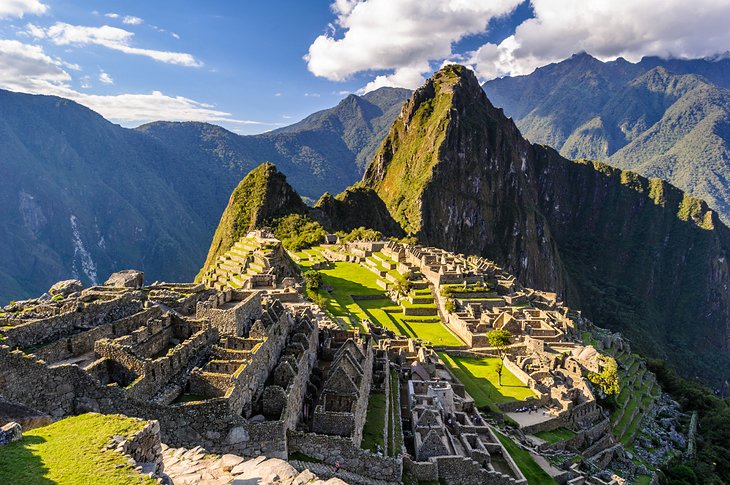
Machu Picchu is an Inca city located high in the Andes Mountains, built in the 15th century and later abandoned.
Why It Is Significant
- Exceptional stone masonry
- Advanced agricultural terraces
- Ingenious water management systems
What Makes It Unique
The site shows how the Inca adapted architecture to a mountainous environment without metal tools or wheeled transport.
Pompeii and Herculaneum, Italy
Overview of the Sites
Pompeii and Herculaneum were Roman cities buried by the eruption of Mount Vesuvius in 79 CE.
Why They Matter
- Preserved streets, homes, and shops
- Everyday objects frozen in time
- Human remains captured during daily activities
Archaeological Importance
These sites offer rare insight into ordinary Roman life, including food, graffiti, and household items.
The Great Wall of China
Overview of the Site
The Great Wall stretches thousands of kilometers across northern China and was built over several dynasties.
Why It Is Archaeologically Important
- Demonstrates large-scale military planning
- Built using local materials
- Reflects political and social organization
Lesser-Known Facts
Much of the wall was built by soldiers and laborers who lived and worked under harsh conditions.
Angkor Wat, Cambodia
Overview of the Site
Angkor Wat is the largest religious monument in the world, originally built as a Hindu temple and later converted to Buddhism.
Why It Is Famous
- Massive scale and intricate carvings
- Advanced urban planning
- Complex water management system
What Archaeology Has Revealed
Angkor was once part of a vast city network that supported a large population through sophisticated engineering.
Petra, Jordan
Overview of the Site
Petra is an ancient city carved into red sandstone cliffs, built by the Nabataean civilization.
Why It Stands Out
- Rock-cut architecture
- Advanced water collection systems
- Strategic trade location
Hidden Insights
Archaeological research shows Petra was a thriving commercial hub connecting major trade routes.
The Acropolis of Athens, Greece
Overview of the Site
The Acropolis is a hilltop complex that includes the Parthenon and other important structures from ancient Athens.
Why It Is Important
- Symbol of ancient Greek culture
- Architectural precision and beauty
- Center of political and religious life
Archaeological Discoveries
Excavations reveal how religion, democracy, and art were deeply connected in Greek society.
Chichén Itzá, Mexico
Overview of the Site
Chichén Itzá was a major city of the Maya civilization, active between 600 and 1200 CE.
Why It Is Famous
- Pyramid of Kukulcán with astronomical alignments
- Advanced mathematical and calendar knowledge
- Large ceremonial spaces
Cultural Importance
The site reflects a blend of Maya traditions and external influences through trade and migration.
Göbekli Tepe, Turkey
Overview of the Site
Göbekli Tepe is one of the oldest known monumental structures, dating back over 11,000 years.
Why It Changed History
- Built before agriculture
- Massive carved stone pillars
- No evidence of permanent settlement
Archaeological Significance
It challenges the idea that farming came before complex religious structures.
The Terracotta Army, China
Overview of the Site
The Terracotta Army consists of thousands of life-sized clay soldiers buried with China’s first emperor.
Why It Is Extraordinary
- Individual facial features
- Detailed armor and weapons
- Enormous scale
What It Reveals
The site reflects beliefs about the afterlife and the power of centralized authority.
Tikal, Guatemala
Overview of the Site
Tikal was one of the most powerful Maya city-states, surrounded by dense rainforest.
Why It Matters
- Tall temple pyramids
- Complex political history
- Advanced astronomical knowledge
Archaeological Insights
Lidar technology has revealed extensive urban planning hidden beneath the jungle.
Moai of Easter Island
Overview of the Site
Easter Island is home to hundreds of massive stone statues called moai.
Why It Is Mysterious
- Enormous statues moved without modern tools
- Unknown transportation methods
- Sudden decline of statue production
Cultural Meaning
The moai likely represented ancestors and social status.
The Indus Valley Sites, South Asia
Overview of the Sites
Harappa and Mohenjo-daro were major cities of the Indus Valley Civilization.
Why They Are Important
- Grid-based city planning
- Advanced drainage systems
- Standardized construction
Unanswered Questions
The civilization’s writing system remains undeciphered, leaving many aspects of life unknown.
Why These Sites Continue to Matter Today
Educational Value
They help teach history through physical evidence rather than myths alone.
Cultural Identity
Many modern cultures trace their roots to these ancient places.
Preservation Challenges
- Climate change
- Tourism damage
- Urban expansion
Protecting these sites ensures future generations can learn from them.
How Archaeological Sites Are Studied
Modern Methods
- Satellite imagery
- Ground-penetrating radar
- DNA and isotope analysis
- Digital reconstruction
Ethical Considerations
Respecting local communities and cultural heritage is central to modern archaeology.
Visiting Archaeological Sites Responsibly
Best Practices
- Follow site rules
- Avoid touching fragile structures
- Support conservation efforts
- Respect cultural traditions
Responsible tourism helps preserve these sites for the future.
Frequently Asked Questions
What makes a site archaeologically important
Its ability to provide evidence about past human activity and culture.
Are there still undiscovered archaeological sites
Yes, many sites remain hidden underground or underwater.
Why are some sites better preserved than others
Natural disasters, climate, and burial conditions affect preservation.
Can new technology change what we know about famous sites
Absolutely. New tools often lead to revised interpretations.
Why should people care about archaeology
It helps us understand human origins, behavior, and shared heritage.
Final Thoughts
Famous archaeological sites are not just remnants of the past—they are storytellers. Each stone, structure, and artifact offers insight into how ancient people lived, believed, and adapted to their world. From monumental pyramids and lost cities to mysterious stone circles and hidden jungle temples, these sites shape our understanding of human history.
By learning about and protecting these remarkable places, we preserve humanity’s collective memory and ensure that the lessons of the past continue to inform the present and future.