Record-Breaking Heatwave Sweeps Across Europe, Prompting Climate Concerns
Europe is in the grip of an unprecedented heatwave, with temperatures soaring to record-breaking levels across the continent. From the Mediterranean to Scandinavia, the summer of 2025 is setting new temperature milestones, sparking wildfires, health emergencies, and renewed alarm about the long-term impacts of climate change.
As millions of Europeans cope with the extreme heat, scientists, policymakers, and environmentalists are sounding the alarm. This article explores the causes of the heatwave, its immediate consequences, and the broader implications for climate action across the globe.
Scorching Temperatures Set New Records
Over the past few weeks, countries including France, Spain, Italy, Germany, and even the United Kingdom have reported temperatures well above seasonal norms. Cities like Rome, Madrid, and Athens have seen daytime highs surpass 45°C (113°F)—a level previously considered rare or extreme. In Scandinavia, where summers are usually mild, parts of Sweden and Norway hit over 35°C (95°F), unsettling residents and stretching local infrastructure.
Meteorological agencies across Europe have issued red alerts, with heat warnings extending into typically cooler regions. According to the European Space Agency (ESA), satellite imagery confirms ground temperatures in southern Europe nearing 50°C, breaking previous continental records.

Health Systems Under Pressure
The heatwave has not only made life uncomfortable, but it has also triggered a public health emergency. Hospitals across Europe have reported a sharp rise in heat-related illnesses, including:
- Heatstroke and dehydration
- Respiratory issues in vulnerable populations
- Cardiovascular stress among the elderly
In France and Italy, special emergency cooling centers have been opened to shelter the elderly, homeless, and medically vulnerable. In Germany, authorities issued guidelines urging citizens to stay indoors, hydrate frequently, and avoid strenuous outdoor activity.
The World Health Organization (WHO) has warned that extreme heat could cause tens of thousands of premature deaths in Europe if action is not taken quickly.

Wildfires and Drought Devastate Landscapes
In addition to health risks, the extreme heat has fueled massive wildfires in southern France, Portugal, and Greece. Thousands of residents have been evacuated as fire crews struggle to contain the blazes, which are spreading rapidly due to bone-dry vegetation and strong winds.
In Spain, vast swaths of agricultural land have been scorched, threatening crops like olives, grapes, and wheat. The prolonged drought conditions have also led to:
- Water restrictions in several cities
- Severely reduced river levels, impacting transportation and hydroelectric power
- Soil degradation and risk of desertification in southern regions
The Rhône and Po rivers, vital for agriculture and trade, are at record lows, impacting everything from irrigation to shipping logistics.
Scientific Consensus: Climate Change Is a Major Factor
While weather patterns can fluctuate naturally, scientists agree that climate change is intensifying the frequency and severity of heat waves. According to a recent study by the Intergovernmental Panel on Climate Change (IPCC), Europe is warming twice as fast as the global average, making the continent especially vulnerable to extreme weather.
Key contributing factors include:
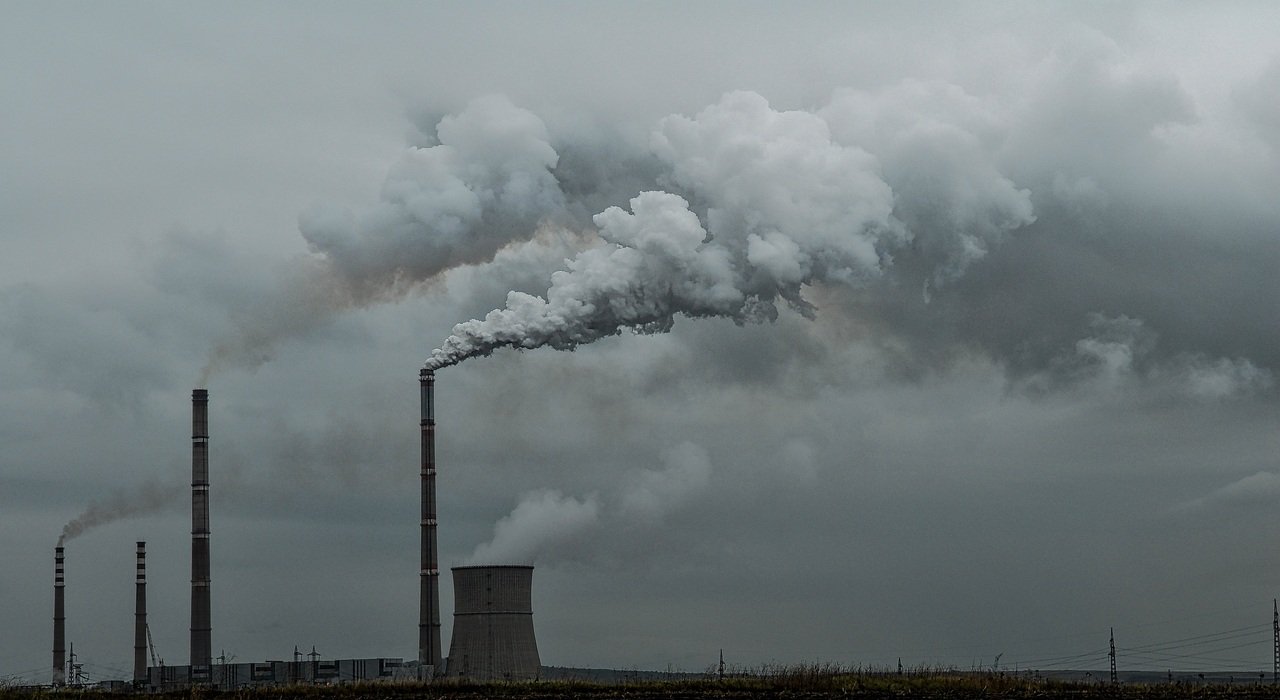
- Rising greenhouse gas emissions
- Urban heat islands in densely populated areas
- Changing jet stream patterns, which trap hot air over regions for longer durations
Dr. Elena Marconi, a climate scientist with the European Climate Observatory, stated:
“This isn’t just a bad summer. This is what climate change looks like. Without drastic reductions in global emissions, these heatwaves will become the new normal.”
Impact on Tourism and Economy
The European heatwave is also taking a toll on the economy, particularly in the tourism and agriculture sectors. Iconic destinations like Paris, Rome, and Barcelona—usually bustling with summer tourists—have seen visitor numbers drop as travelers cancel plans due to extreme heat warnings.
Local businesses, especially those dependent on outdoor activity and seasonal tourism, are suffering. Vineyards and olive groves face lower yields due to heat stress, impacting food production and exports.
In cities, increased demand for air conditioning has strained energy grids, leading to blackouts in several regions. Governments are now scrambling to implement energy-saving measures and emergency heat plans.
Urban Areas Struggle to Cope
European cities, many of which have old infrastructure not designed for extreme heat, are particularly struggling. Heatwaves amplify the “urban heat island” effect, where concrete and asphalt absorb and retain heat, making cities significantly hotter than surrounding rural areas.
Key issues include:
- Lack of green spaces and shade
- Inadequate building insulation
- Insufficient public cooling infrastructure
Some cities, like Paris and Milan, are trying to counteract this by planting more trees, redesigning streets with reflective materials, and expanding water access points. But experts warn these adaptations may not be enough without systemic change.

Calls for Urgent Climate Action
The severity of the 2025 heatwave has reinvigorated calls for stronger climate policies at both national and international levels. Environmental groups, climate scientists, and citizens are urging:
- Immediate cuts in fossil fuel use
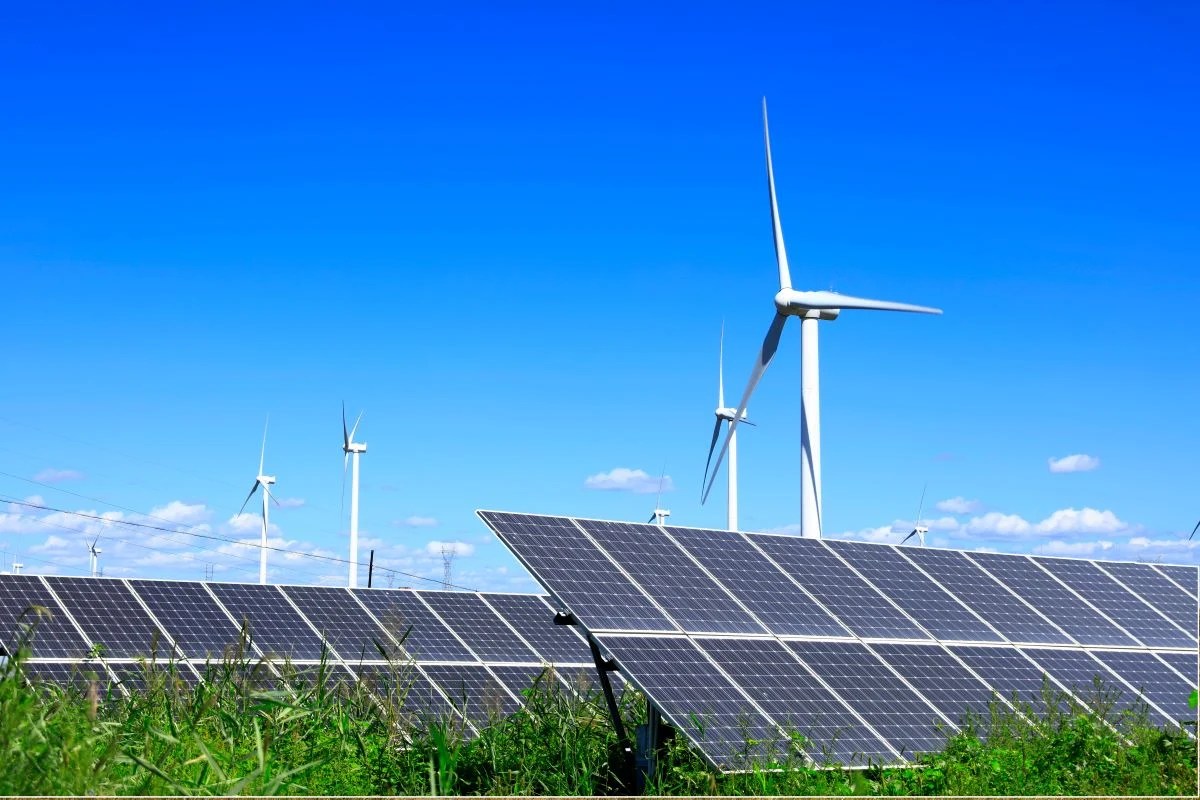
- Increased investment in renewable energy
- More robust climate adaptation infrastructure
- Stronger enforcement of EU climate targets
The European Union’s “Green Deal” aims to make the continent climate-neutral by 2050, but critics argue that progress is too slow. This heatwave, they say, underscores the urgency of translating policy into action.
Public Sentiment Shifting
As temperatures climb, so too does public concern. A recent Eurobarometer survey found that over 80% of EU citizens believe climate change is a serious problem, with a growing number demanding urgent government intervention.
In Berlin, Madrid, and Paris, thousands have taken to the streets, joining climate marches and demanding stricter environmental regulations. From Gen Z activists to elderly citizens, the heatwave has become a catalyst for a broader climate movement.
Conclusion: A Tipping Point for Europe?
The record-breaking heatwave sweeping across Europe in 2025 is more than just an anomaly—it’s a stark warning of what the future may hold. With health systems strained, landscapes burning, and economic costs rising, the case for immediate and aggressive climate action has never been stronger.
As Europe grapples with this historic heat, leaders face a defining moment: continue with incremental change, or take bold steps to safeguard the continent for future generations.