
Artificial Intelligence Outperforms Human Doctors in Diagnosing Rare Diseases
Artificial Intelligence (AI) is transforming the world of medicine, and in a groundbreaking development, recent studies reveal that AI systems are now outperforming human doctors in diagnosing rare diseases. This advancement is not only a major leap in healthcare technology but also a promising solution to one of the most persistent challenges in modern medicine—accurate and timely diagnosis of rare conditions.
With millions of patients around the world suffering from illnesses that are often misdiagnosed or overlooked, the potential of AI to bridge this diagnostic gap could revolutionize patient outcomes, reduce costs, and save lives.
The Challenge of Diagnosing Rare Diseases
Rare diseases, also known as orphan diseases, affect fewer than 1 in 2,000 people. However, there are over 7,000 known rare diseases, impacting an estimated 400 million people globally. Diagnosing these conditions is notoriously difficult due to:
- Limited awareness among healthcare providers
- Overlapping symptoms with common illnesses
- Lack of standardized diagnostic tests
- Infrequent clinical encounters with rare conditions
Patients often undergo a “diagnostic odyssey”—a long, frustrating journey that can take years, involving numerous specialists, misdiagnoses, and unnecessary treatments. This not only affects patient well-being but also burdens the healthcare system.
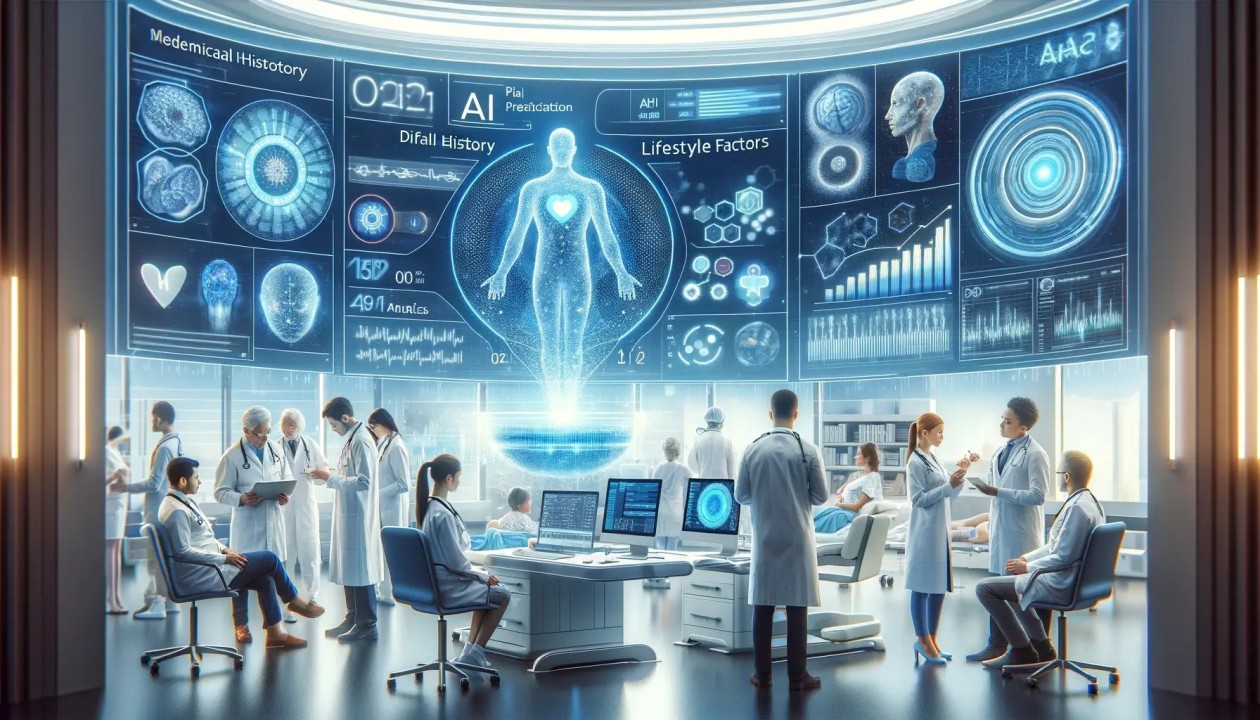
AI Steps In: A New Diagnostic Ally
The recent surge in machine learning, natural language processing (NLP), and deep neural networks has enabled AI models to process and analyze vast medical datasets at speeds and scales impossible for human doctors. In the realm of rare diseases, AI can:
- Analyze millions of medical records, symptoms, and genetic data
- Identify subtle patterns and correlations
- Compare findings with large-scale medical databases and journals
- Continuously learn and improve with new data inputs
Case Study: AI Diagnosing Genetic Disorders
A study published in Nature Medicine in 2024 revealed that an AI model trained on genomic sequencing data and patient histories achieved an accuracy rate of 88% in diagnosing rare genetic disorders, outperforming experienced geneticists, who averaged 72%.
These AI tools use phenotype matching algorithms, facial recognition from medical imaging, and symptom mapping to narrow down potential diseases with high precision. In some cases, diagnoses were made within minutes—something that would take weeks or months for human experts.

How AI Systems Work in Rare Disease Diagnosis
Several AI platforms have been developed specifically for diagnosing rare conditions. Among the most prominent are:
1. DeepGestalt
An AI tool developed by FDNA that uses facial analysis to detect genetic syndromes. DeepGestalt evaluates facial photos and compares them to thousands of reference cases, achieving up to 91% diagnostic accuracy in certain syndromes.
2. Face2Gene
A mobile and web-based platform used by clinicians worldwide. It integrates phenotype data, genomic information, and machine learning to suggest possible rare diseases based on physical features and medical records.
3. IBM Watson for Genomics
This system processes clinical notes, scientific literature, and genetic data to provide clinicians with a ranked list of likely diagnoses and suggested treatment plans.
Real-World Success Stories
Example 1: Rapid Diagnosis Saves a Child’s Life
In 2024, doctors at a hospital in Munich used an AI system to diagnose a 3-year-old with an ultra-rare mitochondrial disorder. The child had previously seen 12 different specialists with no conclusive diagnosis. Within 48 hours, the AI flagged a potential rare metabolic condition, confirmed through targeted genetic testing. Early diagnosis led to immediate treatment, saving the child’s life.
Example 2: AI Assists in Rare Cancer Detection
A healthcare center in the UK integrated AI to review patient biopsies and radiology images. In a patient initially diagnosed with lymphoma, the AI flagged a pattern consistent with Rosai-Dorfman disease, a rare form of histiocytosis. Further review confirmed the AI’s assessment, leading to more appropriate care.
Benefits of AI in Diagnosing Rare Diseases
The ability of AI to outperform human doctors in rare disease diagnosis offers several compelling advantages:
- Speed: Rapid analysis reduces time to diagnosis significantly.
- Accuracy: Minimizes misdiagnosis and leads to more targeted treatment.
- Accessibility: Offers diagnostic support in regions with limited specialist availability.
- Efficiency: Reduces unnecessary testing and associated healthcare costs.
- Patient Empowerment: With tools like symptom checkers, patients gain earlier insight into their condition.
Limitations and Ethical Considerations
While AI holds immense promise, it’s not without limitations:
- Data Bias: AI models are only as good as the data they’re trained on. Lack of diverse datasets can lead to skewed or inaccurate diagnoses.
- Explainability: Many AI systems are “black boxes” where clinicians may not fully understand how a diagnosis is derived.
- Privacy Concerns: The use of sensitive patient data raises questions about security and ethical handling.
- Over-reliance on AI: There’s a risk of clinicians deferring to machines without critical analysis.
Ethical deployment of AI in medicine requires strong regulatory frameworks, transparency, and human oversight to ensure patient safety and trust.
Human Doctors Still Play a Crucial Role
Despite AI’s impressive performance, it is not a replacement for human physicians. Rather, it serves as an augmented intelligence tool, enhancing a doctor’s ability to diagnose and treat rare conditions. Emotional intelligence, patient interaction, ethical decision-making, and personalized care are irreplaceable aspects of human-led healthcare.
Dr. Sophia Lin, a clinical geneticist at Harvard Medical School, notes:
“AI doesn’t replace us—it empowers us. With the right tools, we can focus on what matters most: compassionate and personalized care.”
Future Outlook: AI and Precision Medicine
The integration of AI with genomics, electronic health records (EHRs), and wearable health tech is paving the way for precision medicine—treatments tailored to an individual’s genetic makeup, lifestyle, and environment.
Shortly, AI-powered diagnostic systems may become standard in every clinic, especially for complex and rare disease cases. As AI systems continue to learn and evolve, their role in early detection, risk prediction, and even preventive care will grow.
Governments, medical institutions, and technology companies are now investing heavily in this space, signaling a new era of AI-assisted healthcare.
Conclusion: A Revolution in Rare Disease Diagnosis
Artificial Intelligence is not just a buzzword—it is a transformative force in medicine. The ability of AI to outperform human doctors in diagnosing rare diseases marks a turning point in healthcare, offering hope to millions of patients around the world.
As the technology becomes more accessible and reliable, it promises faster diagnoses, fewer missteps, and better outcomes. The key moving forward will be collaboration between humans and machines, combining the best of clinical expertise with the power of data-driven intelligence.
The diagnostic future is not just smarter—it’s fairer, faster, and more precise.