Amazon Announces Plan to Transition to 100% Renewable Energy by 2030
July 16, 2025 — In a bold move toward environmental sustainability, Amazon has officially announced its ambitious plan to transition to 100% renewable energy by 2030, reaffirming its commitment to combat climate change and lead the way in corporate climate responsibility.
With global temperatures rising and pressure mounting on corporations to act, Amazon’s plan marks a major milestone in the tech giant’s climate strategy. The transition will affect its data centers, fulfillment networks, retail operations, transportation fleets, and office facilities around the world.
Amazon’s Climate Pledge: Turning Words into Action
Amazon first introduced its Climate Pledge in 2019, committing to reach net-zero carbon by 2040. This recent announcement accelerates part of that goal, pushing the company toward full renewable energy usage a full decade earlier than the broader net-zero timeline.
Jeffrey Helser, Amazon’s Vice President of Sustainability, shared in a press conference:
“Our transition to 100% renewable energy by 2030 is not just a pledge—it’s a blueprint for the future of responsible business. We believe companies of our size have a duty to lead the way.”
The Scope: A Global Energy Overhaul
Amazon is one of the world’s largest consumers of electricity, operating hundreds of data centers, dozens of airline hubs, and thousands of distribution centers across more than 60 countries. Transitioning all of these facilities to clean energy is no small feat.
Here’s how Amazon plans to accomplish this:
1. Expanding Solar and Wind Projects
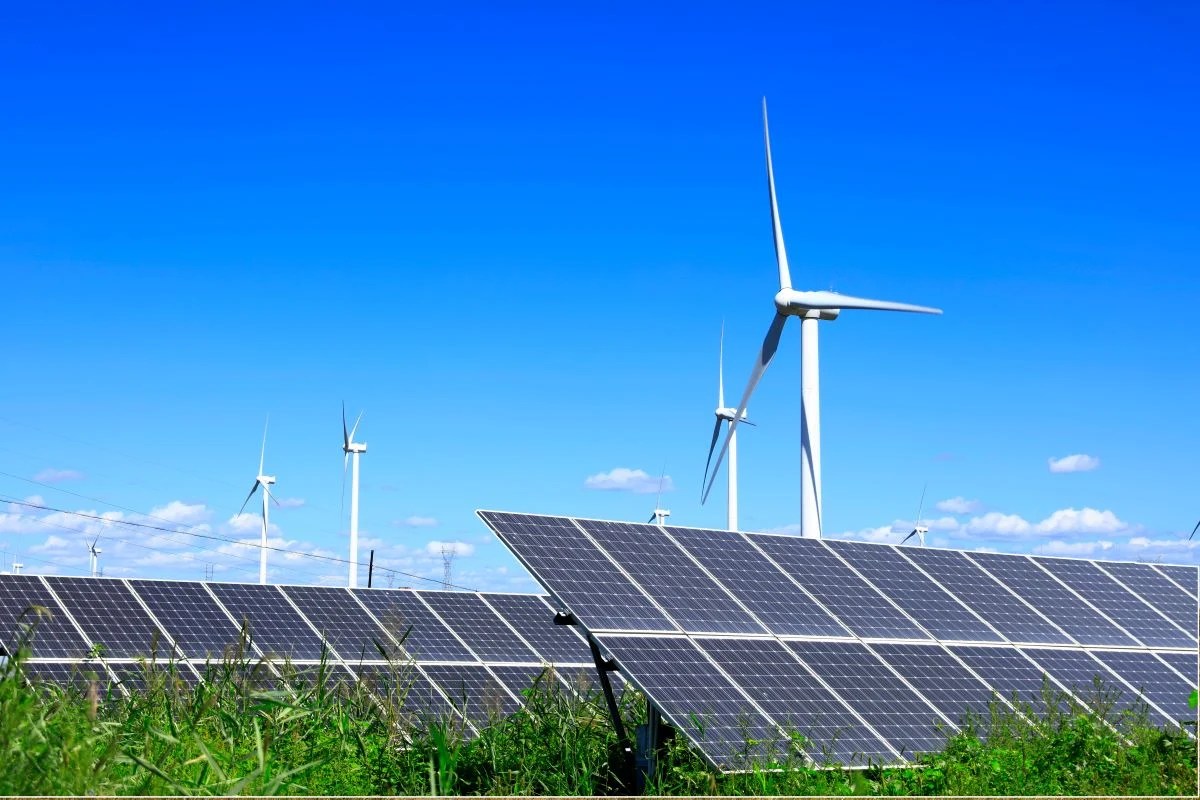
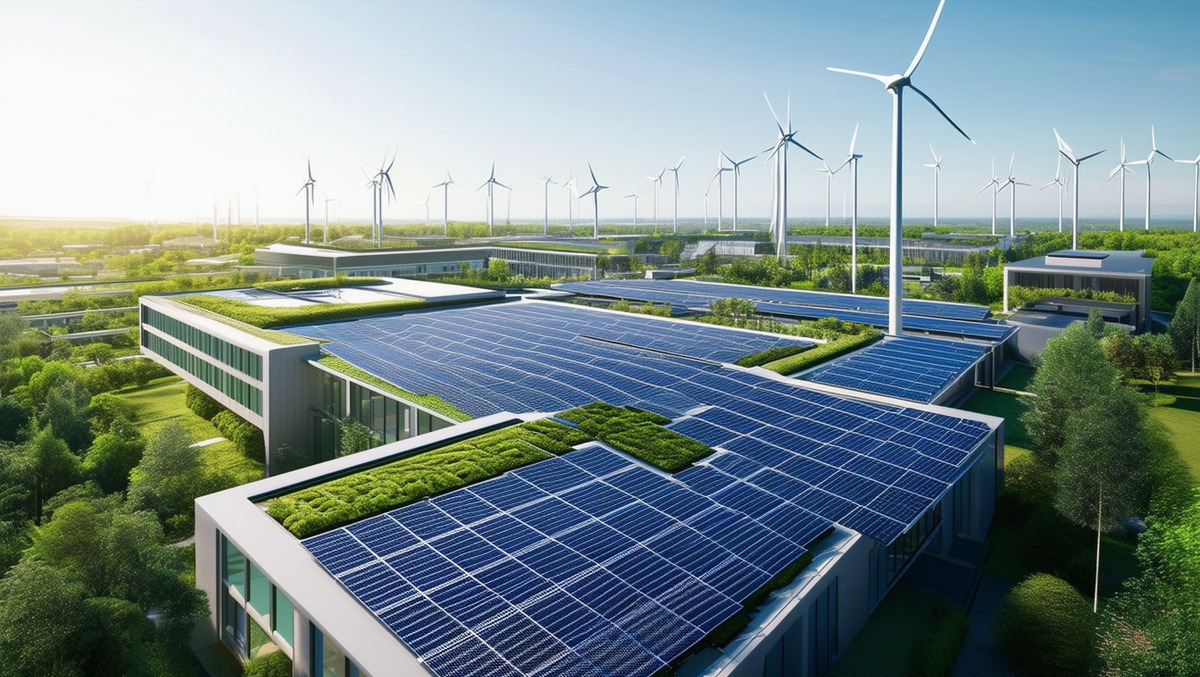
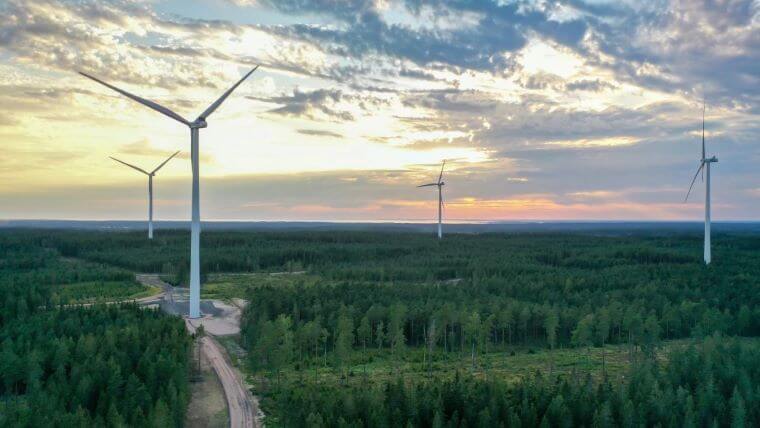
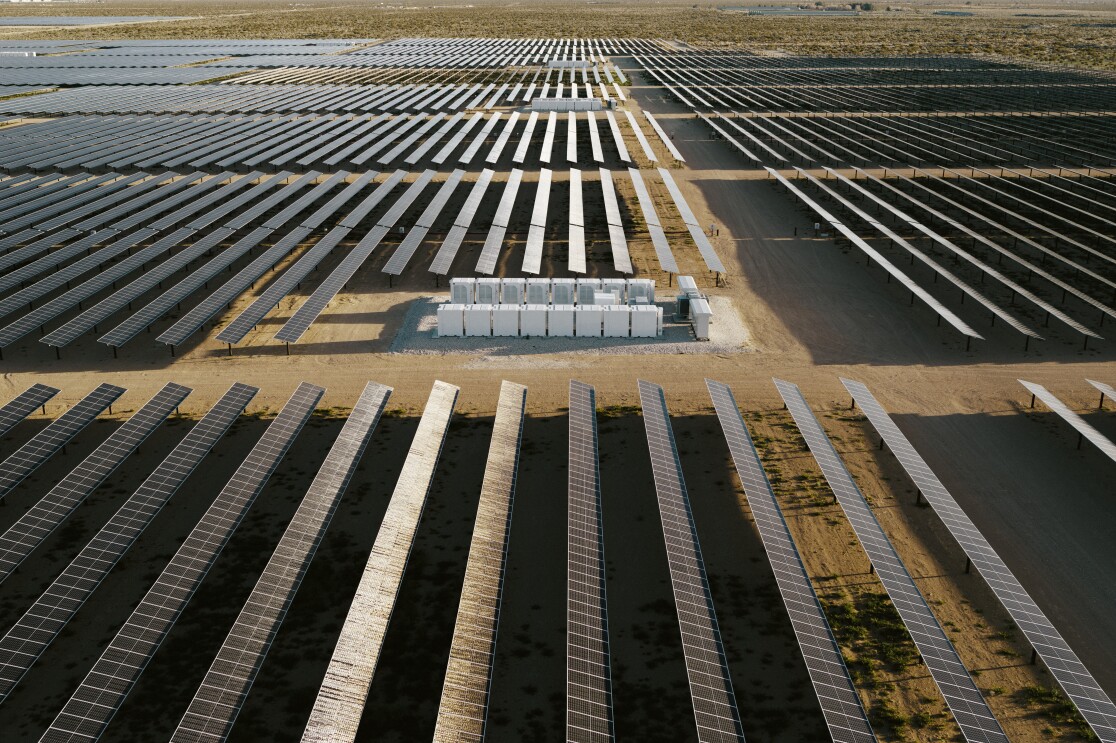
Amazon already has over 500 renewable energy projects across the globe, including wind farms in Europe and solar arrays in the United States. By 2030, that number is expected to double. These projects will provide electricity for data centers, warehouses, and offices.
2. Power Purchase Agreements (PPAs)
Through long-term PPAs with renewable energy producers, Amazon ensures a steady supply of clean energy without building every project itself. These contracts help scale green energy infrastructure faster and more affordably.
3. Innovative Energy Storage
The company is investing in cutting-edge battery storage systems to offset the intermittent nature of solar and wind. These systems allow Amazon to store surplus energy and release it during peak demand or at night.
4. Green Data Centers
Data centers account for a massive portion of Amazon’s energy use through Amazon Web Services (AWS). The company is redesigning its facilities to be more energy efficient while powering them entirely with renewables.
5. Sustainable Last-Mile Delivery
Amazon’s growing fleet of electric delivery vehicles, built in partnership with Rivian and other manufacturers, will soon be charged using green energy from solar-powered charging stations and microgrids.
Environmental Impact: Why It Matters
The environmental implications of Amazon’s move are monumental. The company currently emits tens of millions of metric tons of carbon dioxide annually. Transitioning to renewable energy will:
- Prevent billions of tons of carbon emissions over the next decade
- Lower air pollution in urban delivery zones
- Set industry benchmarks for other e-commerce, cloud, and logistics companies
- Drive global demand for clean energy technologies and infrastructure
According to environmental analyst Dr. Lillian Kwan of the International Energy Forum:
“Amazon’s transition is not just symbolic—it shifts the entire energy marketplace. When a company of that scale demands clean energy, it reshapes the supply chain for the better.”
Economic and Social Benefits
Beyond environmental gains, the move to 100% renewable energy offers notable economic and social advantages:
Job Creation
Amazon’s expansion of solar and wind energy projects is expected to create over 200,000 green jobs globally. This includes positions in engineering, construction, logistics, energy storage, and operations.
Cost Savings
While the initial investment in renewable infrastructure is significant, Amazon expects long-term savings through lower electricity costs, reduced maintenance, and improved energy resilience. Clean energy prices have dropped by over 80% in the last decade, making renewables increasingly cost-effective.
Community Impact
Amazon is also launching community solar programs that allow nearby households and small businesses to benefit from its clean energy projects. This could lead to reduced utility bills, improved local air quality, and increased energy independence for underserved areas.
Holding Itself Accountable: Transparency and Reporting
To ensure transparency, Amazon will:
- Publish annual sustainability reports, detailing its progress toward the 2030 goals
- Share real-time data on renewable energy usage across operations via the Amazon Sustainability Dashboard
- Undergo third-party audits to verify renewable energy claims
Amazon also joined the RE100 initiative, a global corporate leadership program committed to 100% renewable electricity. This aligns Amazon’s efforts with other major companies like Apple, Microsoft, and Google, all racing to reduce their carbon footprints.
Challenges Ahead: Not Without Obstacles
While the plan is ambitious and commendable, it does face challenges:
- Supply Chain Complexity: Amazon’s operations are spread across thousands of suppliers and contractors. Ensuring their compliance with renewable standards will be an uphill battle.
- Global Infrastructure Gaps: Some regions lack the renewable energy infrastructure needed to support Amazon’s operations. The company may have to build its own or work with local governments to accelerate development.
- Intermittent Power Supply: Despite storage advancements, the variability of wind and solar power remains a concern, especially in mission-critical facilities like AWS data centers.
Still, Amazon has shown it is willing to innovate and invest heavily to overcome these obstacles.
A Message to the Industry
Amazon’s decision to shift to 100% renewable energy sends a strong message to the global business community: Environmental sustainability is not just a moral obligation—it’s a strategic advantage.
Companies that embrace clean energy:
- Improve brand perception and customer loyalty
- Attract climate-conscious investors
- Future-proof their operations against energy price volatility and regulation
- Play a direct role in preserving the planet for future generations
The Bottom Line: A Greener Future
Amazon’s 2030 renewable energy target is more than just a corporate goal—it’s a crucial step toward global sustainability. By leveraging its scale, technological prowess, and influence, Amazon is setting a precedent that could inspire an industry-wide shift toward clean energy.
Whether you’re a consumer, investor, or fellow business leader, one thing is clear: The future of commerce must also be the future of the planet. And with Amazon’s latest announcement, that future just became a lot brighter.