Global Summit Concludes with Commitment to Carbon Neutrality by 2050
In a landmark decision that underscores the international community’s growing urgency to combat climate change, world leaders concluded the 2025 Global Climate Summit with a unified pledge to achieve carbon neutrality by 2050. This ambitious goal—often referred to as “net-zero emissions”—marks a pivotal moment in global climate diplomacy, aligning governments, corporations, and civil society under a shared vision to curb greenhouse gas emissions and mitigate the worst impacts of global warming.
Held in Geneva, Switzerland, the summit gathered representatives from over 190 countries, along with leading scientists, environmental activists, and business leaders. The event lasted five days, during which negotiators worked tirelessly to bridge political divides and finalize a framework for cooperation. The commitment to net-zero emissions by 2050 now joins the Paris Agreement as one of the most significant climate accords in history.
The 2050 Net-Zero Commitment: What It Means
Carbon neutrality means that a country, region, or organization emits no more carbon dioxide (CO₂) than it removes from the atmosphere. Achieving this requires a fundamental shift across all sectors—especially energy, transportation, manufacturing, and agriculture—moving away from fossil fuels and toward sustainable alternatives. For most countries, the 2050 target implies a combination of emissions reductions, reforestation, adoption of renewable energy, and investment in carbon capture and storage technologies.
Under the agreement, each signatory country has committed to submitting revised and more aggressive Nationally Determined Contributions (NDCs) by 2027. These plans must outline concrete measures for decarbonizing key industries, transitioning to green infrastructure, and ensuring climate justice for vulnerable populations.
Key Highlights of the Agreement
- Universal Participation: For the first time, all G20 countries—including historically high-emission nations like the United States, China, and India—have signed on to a unified net-zero timeline. This level of consensus was previously elusive due to conflicting economic priorities.
- Financial Support for Developing Nations: Recognizing the disproportionate impact of climate change on developing economies, the summit resulted in the creation of a $150 billion Global Climate Transition Fund, aimed at supporting green technology, climate adaptation, and capacity building in low-income countries. This includes funds for clean energy deployment, sustainable agriculture, and climate-resilient infrastructure.
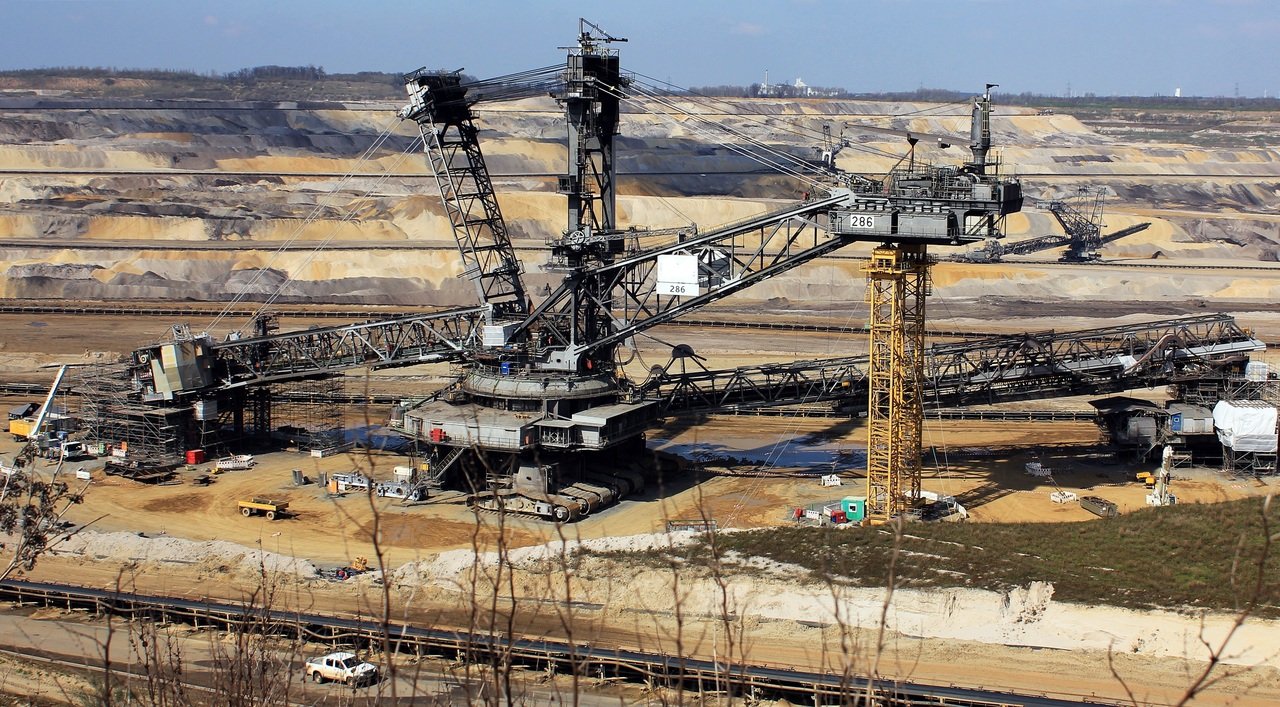
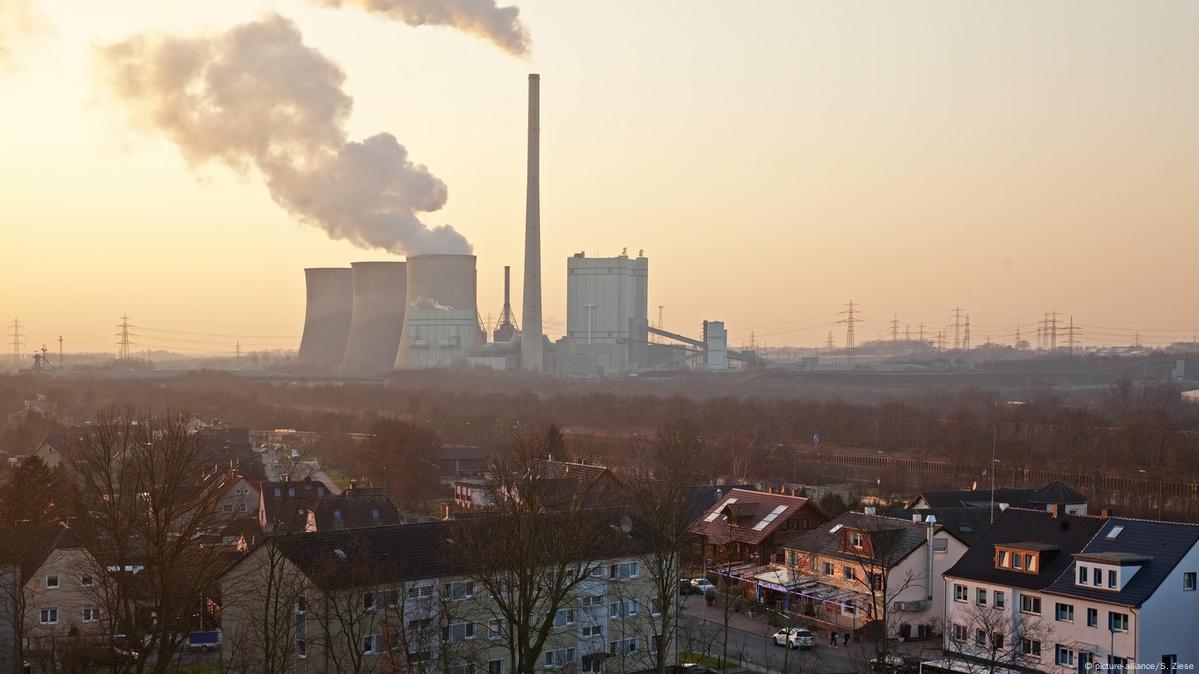
- Phase-Out of Fossil Fuels: One of the most debated provisions of the summit was a legally binding commitment to phase out unabated coal power by 2040, with a phased reduction in oil and gas use. Countries will be required to submit decarbonization roadmaps and are encouraged to implement carbon pricing mechanisms, such as carbon taxes or cap-and-trade systems.
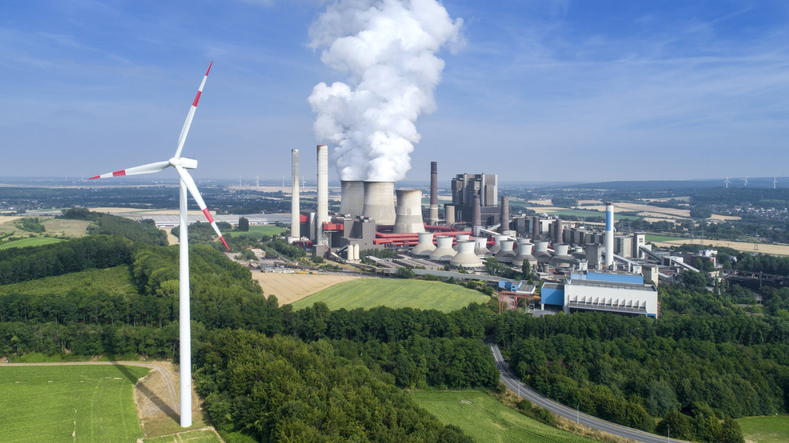
- Green Innovation and Technology Transfer: The agreement includes strong provisions for international cooperation on green innovation. Developed countries will facilitate the transfer of clean technologies, such as solar, wind, hydrogen fuel, and battery storage, to less developed countries, helping ensure a just and equitable transition.
- Monitoring and Accountability: A new independent body, the Global Carbon Accountability Authority (GCAA), will monitor countries’ progress and issue annual reports on compliance. Countries that fall behind may face diplomatic or trade consequences, depending on the severity of non-compliance.
Reactions from the Global Community
The summit’s conclusion was met with cautious optimism. United Nations Secretary-General António Guterres called the agreement “a critical lifeline for the planet,” emphasizing that words must now translate into concrete actions. “The era of climate delay is over. The era of climate action must begin now,” he stated during the closing ceremony.
Environmental organizations praised the agreement’s ambition but warned of the risks of backsliding. Greta Thunberg, speaking at a youth side-event, noted: “Targets are only meaningful if they come with real, enforceable steps. We’ve had promises before. What matters now is accountability.”
Business leaders also welcomed the clarity provided by the 2050 target. Many corporations, particularly in the energy, automotive, and technology sectors, have already begun aligning their operations with carbon neutrality goals. CEOs from companies like Tesla, IKEA, Microsoft, and BP attended the summit and expressed support for collaborative climate action, calling for clear regulations and incentives to enable rapid decarbonization.

Challenges Ahead
Despite the breakthrough, major challenges remain. Transitioning to a carbon-neutral global economy requires unprecedented levels of coordination, financing, and innovation. Some developing countries, heavily reliant on fossil fuel exports, expressed concerns about the socioeconomic costs of transition. There are also geopolitical risks tied to the shift in global energy dynamics, particularly as demand for rare earth minerals—used in batteries and renewable technologies—rises sharply.
Additionally, ensuring that climate action is just and inclusive is critical. Marginalized communities, indigenous peoples, and small island nations emphasized the need for climate justice to remain central to implementation efforts. The agreement includes references to “loss and damage” compensation—a mechanism to support countries suffering irreversible climate impacts—but details remain vague, and negotiations on this front are ongoing.
Science-Driven Policy
The 2050 carbon neutrality goal is grounded in climate science. According to the Intergovernmental Panel on Climate Change (IPCC), global emissions must fall by at least 50% by 2030 and reach net zero by 2050 to limit warming to 1.5°C above pre-industrial levels. Exceeding this threshold significantly increases the risk of extreme weather events, rising sea levels, food insecurity, and ecosystem collapse.
Dr. Hoesung Lee, chair of the IPCC, addressed delegates on the summit’s final day, stating: “This agreement is not just a diplomatic milestone—it’s a scientific imperative. Every year of delay increases the costs, risks, and human suffering.”
Looking Forward
As the world moves forward from the 2025 Global Climate Summit, attention will now shift to implementation. Countries must translate pledges into laws, regulations, and investments. Regional climate summits, scheduled for 2026 in Africa and Southeast Asia, will focus on enabling local action and progress reporting.
Moreover, the next UN Climate Conference (COP31), to be held in Tokyo in late 2026, will serve as a key milestone for evaluating early progress. By then, the first round of revised NDCs will be due, and the world will have a clearer picture of whether nations are staying on track.
In conclusion, the global commitment to carbon neutrality by 2050 signals a decisive shift in humanity’s response to climate change. While the road ahead is steep, the summit has laid the groundwork for a collective transformation, anchored in science, equity, and a shared responsibility to protect the planet for future generations.