World’s Largest Wind Farm Goes Online, Powering Millions of Homes
In a historic step toward a greener, more sustainable future, the world’s largest wind farm has officially gone online, bringing clean energy to millions of homes. Located in the North Sea off the coast of the United Kingdom, this monumental project—called the Dogger Bank Wind Farm—is now operational and setting new benchmarks for global renewable energy production.
As climate concerns intensify and fossil fuels decline, this milestone demonstrates how wind energy is becoming a central pillar in the world’s clean energy transition. The Dogger Bank Wind Farm isn’t just a feat of engineering; it’s a beacon of hope for a planet grappling with environmental crises.
A Giant in Renewable Energy: What Is Dogger Bank Wind Farm?
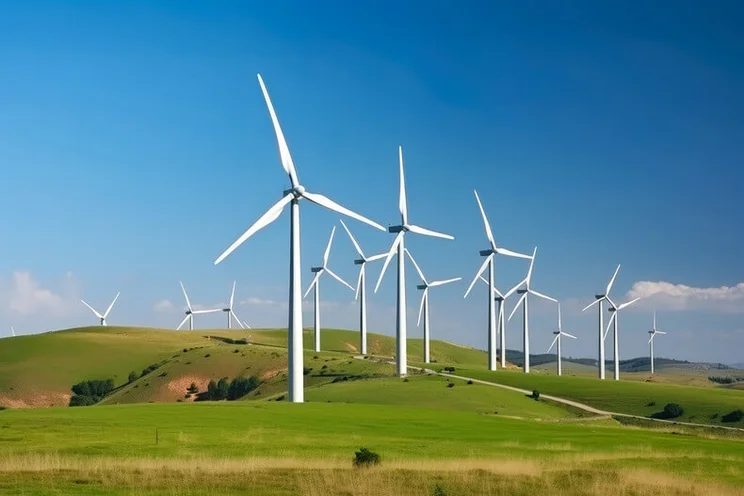
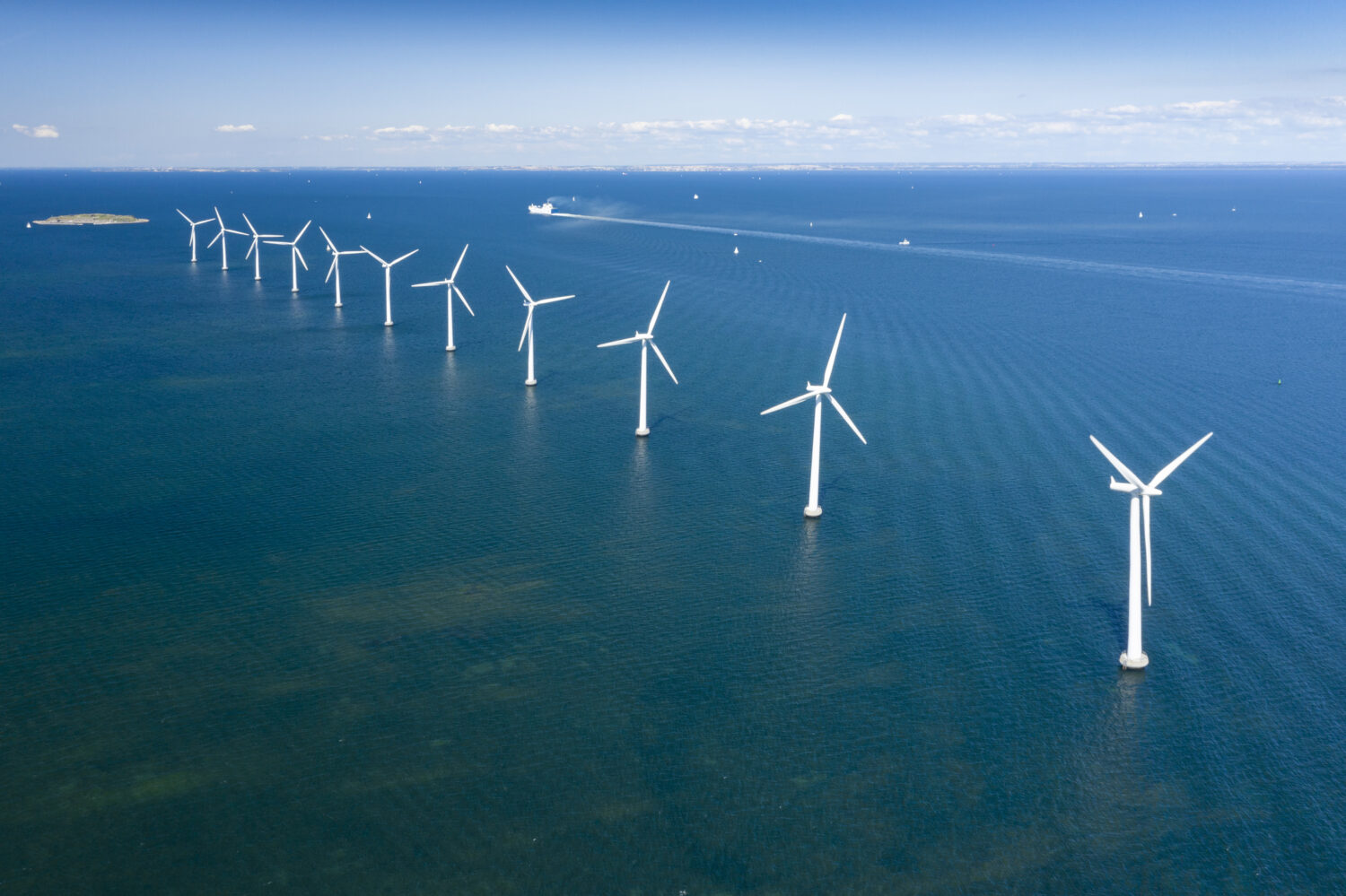
The Dogger Bank Wind Farm is a massive offshore wind project developed by SSE Renewables, Equinor, and Vårgrønn, three leading companies in the renewable energy sector. Spanning an area of more than 500 square kilometers, the farm is located approximately 130 kilometers (80 miles) off England’s Yorkshire coast.
The project is being built in three main phases:
- Dogger Bank A
- Dogger Bank B
- Dogger Bank C
Each phase will add 1.2 GW (gigawatts) of capacity, for a total of 3.6 GW, making it the largest offshore wind farm in the world once fully completed in 2026. However, with the first phase now operational, it’s already generating enough electricity to power more than 1.5 million homes.
Why This Matters: The Global Impact of Dogger Bank
1. Supplying Clean Energy to Millions
The Dogger Bank Wind Farm’s total output of 3.6 GW is enough to power 6 million homes annually, equivalent to nearly 5% of the UK’s total electricity demand. This helps reduce dependence on fossil fuels and lowers greenhouse gas emissions significantly.
2. Accelerating the Global Energy Transition
As countries race to meet their climate goals under the Paris Agreement, large-scale projects like Dogger Bank showcase how renewables can replace traditional energy sources. It sets a precedent for other nations and proves that utility-scale renewable energy is both viable and profitable.
3. Reducing Carbon Emissions
According to estimates, Dogger Bank will displace about 8.1 million tonnes of CO₂ annually—the same as removing approximately 1.7 million cars from the road each year. That’s a substantial contribution to the UK’s net-zero goals and a major step in combating climate change.
The Technology Behind the Wind Farm
Dogger Bank isn’t just big—it’s technologically groundbreaking. It features some of the most advanced wind energy solutions in the world:
1. GE Haliade-X Turbines
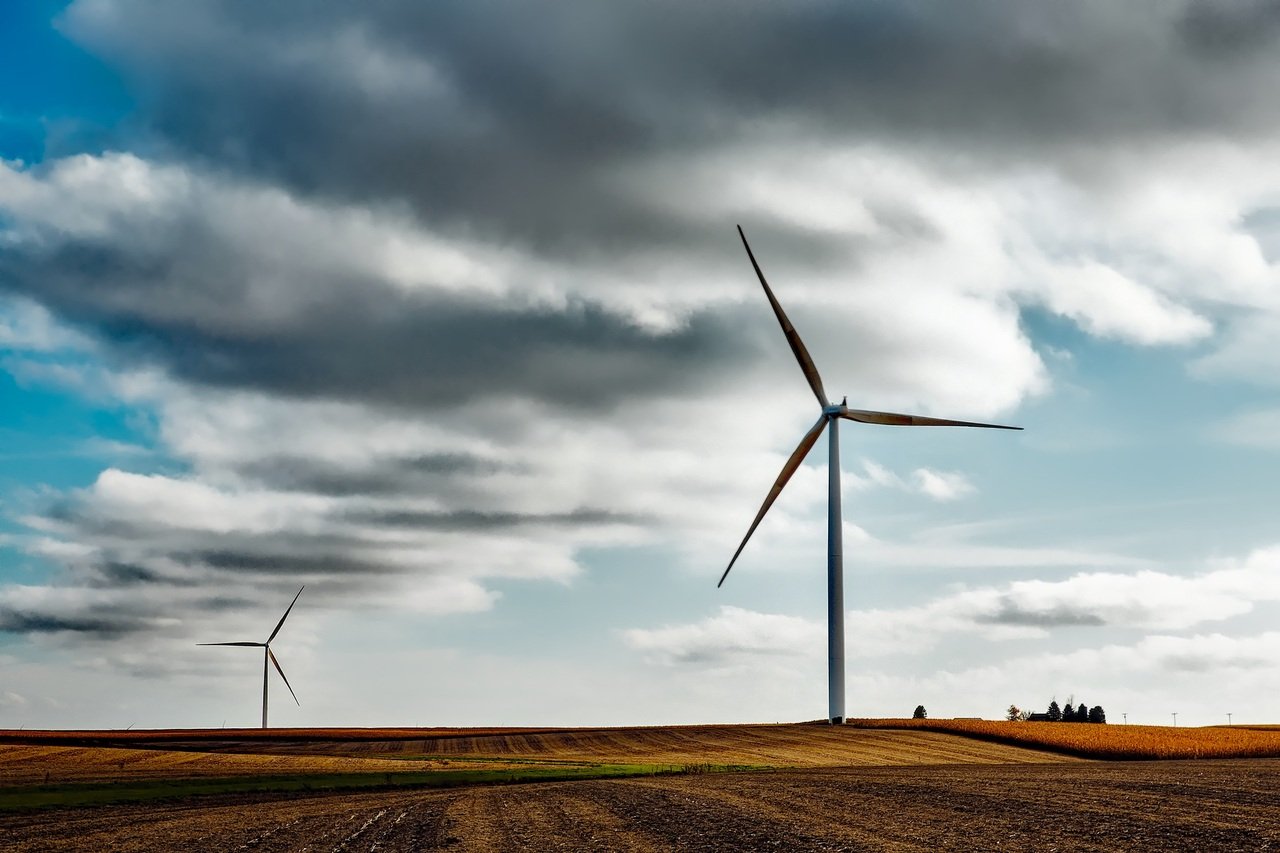
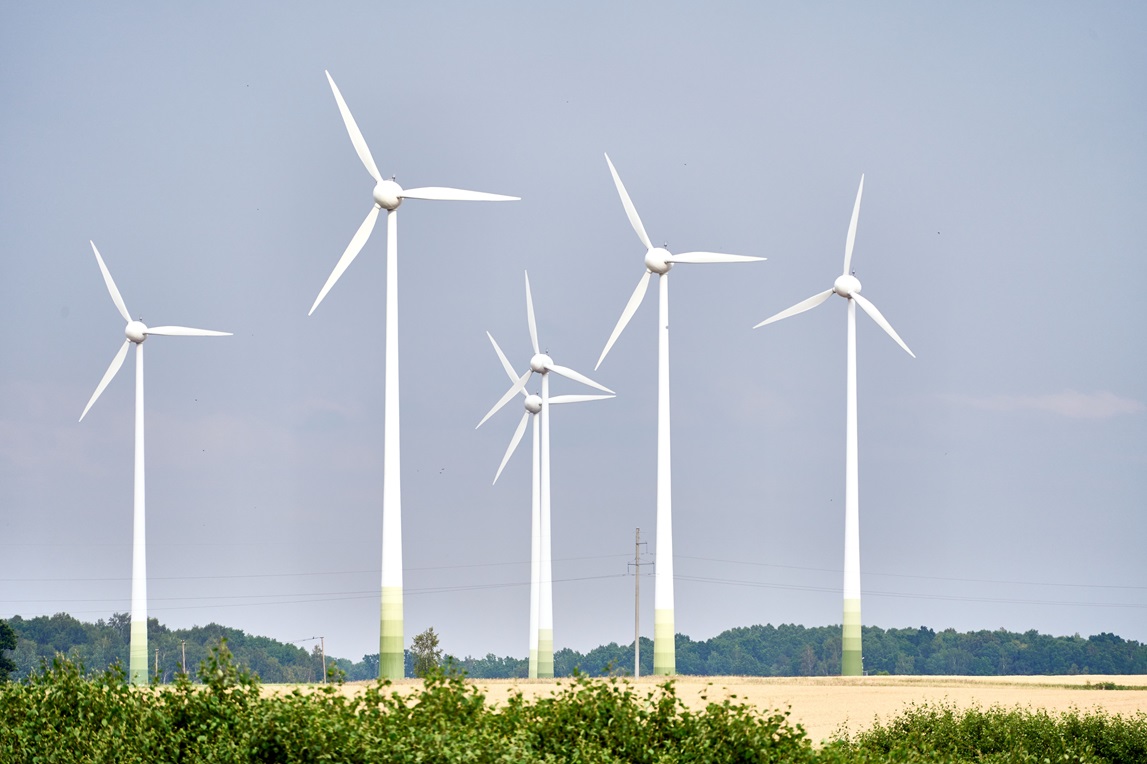
Each of the 277 turbines being installed is a GE Haliade-X—currently the most powerful wind turbine in operation, capable of generating up to 13 MW (megawatts) of power per unit. One spin of these blades can power a home for two days.
2. Smart Grid Integration
The farm is integrated into the UK’s National Grid via high-voltage direct current (HVDC) cables, making transmission over long distances more efficient and less wasteful. Smart monitoring systems ensure optimal performance and maintenance planning.
3. Floating Substations
To support offshore operations, the project uses floating substations—the first of their kind in such a large-scale deployment. These reduce seabed impact and allow for easier installation and future scalability.
Economic and Employment Benefits
While the environmental impact is significant, Dogger Bank also brings a host of economic advantages:
- Creation of over 2,000 jobs during construction, and hundreds of long-term positions in operations and maintenance.
- Boost to local UK supply chains, with contracts awarded to manufacturers, logistics companies, and engineering firms.
- Export opportunities for British expertise in offshore wind technology.
The wind farm is already catalyzing growth in surrounding regions and attracting new investments in green infrastructure.
The Role of Public and Private Collaboration
The success of Dogger Bank is largely due to effective partnerships between the government and the private sector. With strong policy support from the UK government and financial backing from private investors, the project serves as a model for future renewable energy ventures.
Government incentives and net-zero commitments played a critical role in enabling such a massive undertaking, while private-sector innovation and financing ensured its execution and scalability.
Public Reception and Environmental Considerations
Local communities and environmental organizations have largely supported the Dogger Bank project, thanks to its transparent planning and ecological safeguards. Comprehensive environmental impact assessments were carried out to protect marine wildlife and minimize disruption.
Additionally, the wind farm is expected to help lower household energy costs in the long term by reducing reliance on imported fossil fuels and stabilizing energy prices.
The Bigger Picture: A Renewable Future
The Dogger Bank Wind Farm is a landmark achievement, but it’s also part of a broader movement. Around the world, countries are investing heavily in wind power:
- China is expanding its offshore wind capacity aggressively.
- The United States has approved several large-scale offshore wind projects along the East Coast.
- Germany, Denmark, and the Netherlands continue to lead in renewable innovation across Europe.
Dogger Bank demonstrates that massive renewable projects can be delivered efficiently, sustainably, and at scale—an essential lesson for other nations racing against climate deadlines.
Challenges and What Lies Ahead
Despite its success, the project faced—and continues to face—challenges:
- Harsh offshore weather complicates construction.
- Logistics and material costs have risen due to global supply chain issues.
- Grid infrastructure must be continually upgraded to accommodate increasing loads.
Still, the team behind Dogger Bank remains confident in completing the remaining phases on time. Once fully operational by 2026, the project will stand as a monument to what’s possible when science, policy, and purpose align.
Final Thoughts: A Milestone for Clean Energy
The activation of the world’s largest wind farm is a defining moment in the history of renewable energy. As the Dogger Bank Wind Farm begins to send electricity to millions of homes, it not only brings us closer to a carbon-free future, but it also redefines what’s possible on a global scale.
With rising energy demands, volatile fuel markets, and urgent climate pressures, the world needs solutions that are bold, scalable, and sustainable. Projects like Dogger Bank prove that the age of clean energy is not only here—it’s thriving.