Japan Unveils Plans for World’s First Floating City by 2030
July 16, 2025 — In a bold response to escalating climate change impacts, Japan’s maritime startup N‑ARK has officially revealed groundbreaking plans for “Dogen City” — the world’s first fully autonomous floating city — targeted for completion by 2030. This visionary project aims to pioneer a new era of resilient, marine-based urban living.
Navigating a Rising Tide: The Rationale Behind Dogen City
As global sea levels continue to climb, coastal communities face increasing threats from flooding, tsunamis, and storm surges. Japan’s Dogen City is poised as a direct solution—a circular, self-sustaining metropolis on the water designed to adapt to climate threats rather than fight them. The proposal comes during an age when entire urban landscapes must rethink survival in harmony with nature.

What Is Dogen City? A Vision in Three Layers
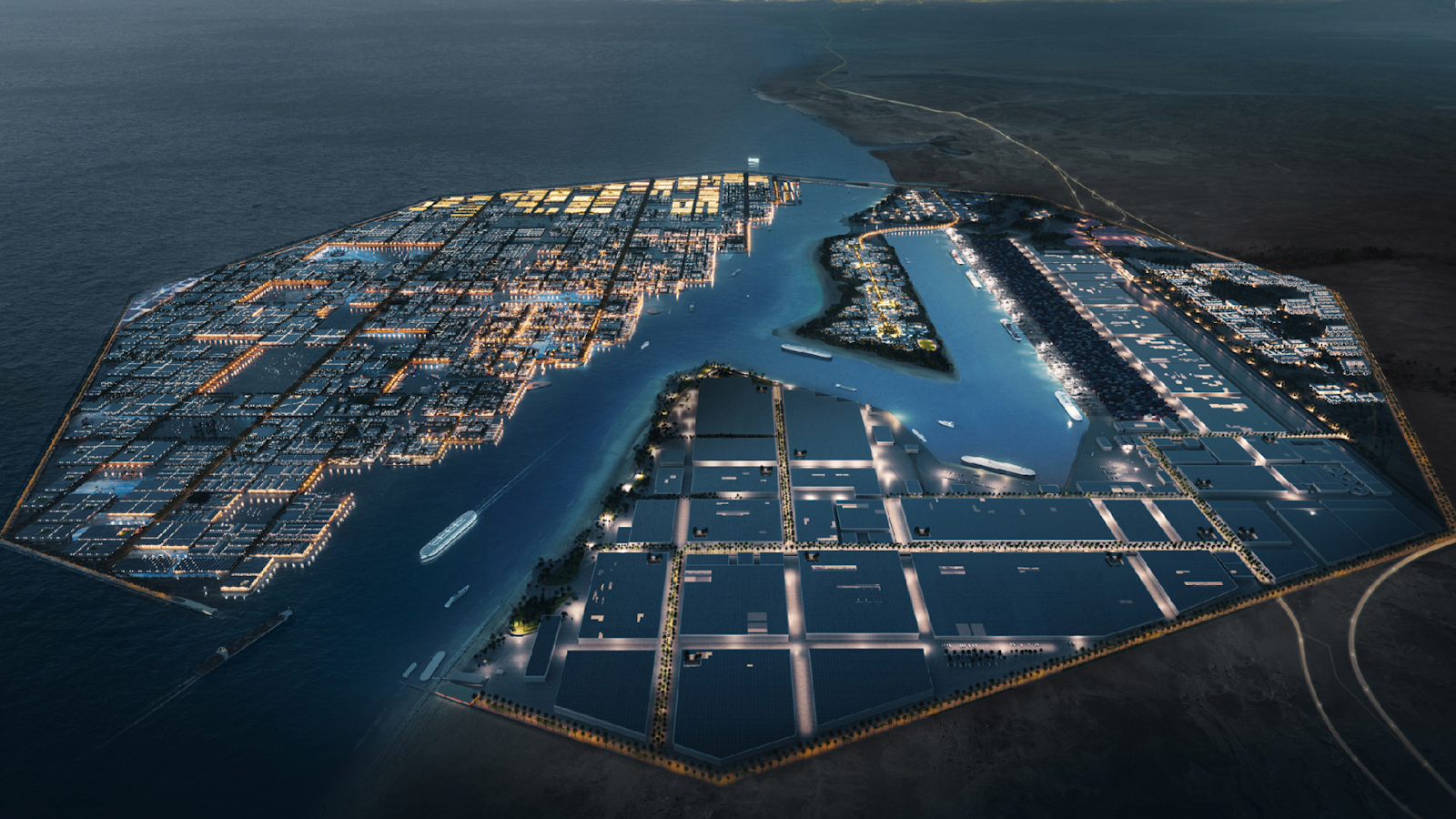
N‑ARK’s concept comprises a smart, multi-tiered floating city spanning approximately 1.58 km in diameter (about 4 km circumference), housing roughly 10,000 permanent residents along with capacity for 30,000 daytime visitors.
1. The Habitable Ring
A robust, ship‑like outer ring that offers housing, offices, parks, schools, hospitals, food production, and public amenities—all protected from waves and tsunamis.
2. Undersea Edge Data Center
Beneath the waves lies a cooled, underwater data hub—leveraging natural sea temperatures to power critical systems like healthcare diagnostics, urban management, genome-level analysis, and centralized computing .
3. Autonomous Floating Architecture
Within the inner bay, modular floating structures offer flexibility, ranging from hotels to laboratories, designed to shift based on urban needs.
A Model of Self-Sufficiency
According to N‑ARK projections, Dogen City will annually generate:
- 22 million kWh of power via solar and wind
- 7,000 tons of local food production through aquaculture and seawater agriculture
- 2 million liters of clean water, supported by desalination
- Waste processing capacity is around 3,300 tons per year
This system integrates closed-loop sustainability, making the city energy-efficient and largely self-reliant .
Healthcare and Telemedicine at the Core
Dubbed a “smart healthcare city,” Dogen City places medical services at its heart. Residents and visitors gain seamless access to telemedicine, real-time biometric monitoring, genomic screenings, and even remote robotic surgeries—all driven by analytics from the submerged data center.
Additionally, the city promotes medical tourism, combining innovative treatments with healing culinary experiences, seawater thermal spas, and educational wellness programs.
Climate Resilience & Disaster Readiness
Designed to endure waves, storms, and tsunamis, the city ring offers robust protection. It’s also envisioned as a refuge for climate refugees, reinforced with early-warning systems and evacuation protocols. Anchored into the sea yet able to adapt structurally, the design seeks to offer stability amidst unpredictable marine forces.
Ambitious Timeline & Strategic Collaboration
Since late 2021, N‑ARK and the governmental–academic–industrial “NEW OCEAN Consortium” have built demonstration sites like the “Green Ocean” marine farm at Lake Hamana. With design and development underway, the consortium aims to launch Dogen City by 2030, ushering in a new era of ocean-based urbanism.
Global Implications: A Precedent for Ocean Urbanism
Though not the first floating city concept—others like Oceanix Busan (South Korea) have prototyped smaller models—the scale and integration of Dogen City is unmatched. Should it succeed, it will redefine urban development in vulnerable coastal zones and lay the groundwork for future offshore settlements worldwide.
An Ecosystem of Opportunities
- Expands habitable areas in the face of land scarcity
- Fosters new marine industries: aquaculture, telemedicine, tech hubs
- Establishes new legal and governance models for maritime cities—seasteading meets sovereignty
Challenges to Overcome
Despite its visionary promise, the project faces immense challenges:
- Engineering Obstacles: Anchoring and stabilizing a 4 km floating structure against waves, currents, and tsunamis requires unprecedented marine engineering
- Economic Barriers: With estimates reaching ¥100 trillion (US$800 billion), securing funding and cost models is a major hurdle
- Regulatory Complexity: International maritime laws, jurisdictional issues, and autonomy definitions in “NEW OCEAN” waters will require new frameworks
- Public Trust & Urban Viability: Gaining confidence from future residents and tourists will depend on safety assurances, accessibility, and livability.
Seen Through the Global Lens
As sea level rise becomes inevitable, Japan’s bold step could influence global strategies to combat climate challenges. By melding healthcare, aquaculture, data services, and even space‑launch capabilities on a drifting ocean platform, Dogen City breaks conventional urban molds .
For coastal megacities and island nations threatened by climate change—like Miami, Maldives, or Bangkok—floating city models may become essential alternatives.
What’s Next on the Horizon
In the coming years, key milestones include:
- 2025–2027: Completion of prototype platforms like the Green Ocean demonstration
- 2028–2030: Engineering scale-up and modular city segments
- 2030: Full-scale deployment of Dogen City
Simultaneously, Japan and N‑ARK are expected to publish feasibility reports, conduct marine impact assessments, and continue collaboration through the NEW OCEAN Consortium.
🌊 Final Thoughts
Japan’s unveiling of Dogen City isn’t just an architectural marvel in concept—it represents a potential turning point in humanity’s response to climate change. By envisioning a self-sustaining floating city anchored in healthcare, resilience, and oceanic symbiosis, N‑ARK is pushing the boundaries of urban innovation.
Whether it becomes reality or remains a visionary prototype, Dogen City inspires us to imagine a new frontier—one not only of floating structures, but floating communities, floating economies, and floating lifelines.