Study Shows Decline in Bee Populations Poses Threat to Global Food Supply
Bees, often overlooked in their importance to the ecosystem, are facing a dramatic decline worldwide. Recent studies have revealed alarming data regarding the decrease in bee populations, and researchers are increasingly warning that this decline could pose a significant threat to global food security. Bees are essential pollinators, facilitating the reproduction of many plants, including crops that provide food for millions of people. Without these industrious insects, the global food supply could face severe disruptions. This article explores the reasons behind the decline of bee populations, the potential consequences for food production, and the actions that can be taken to mitigate the damage.
The Importance of Bees in Food Production
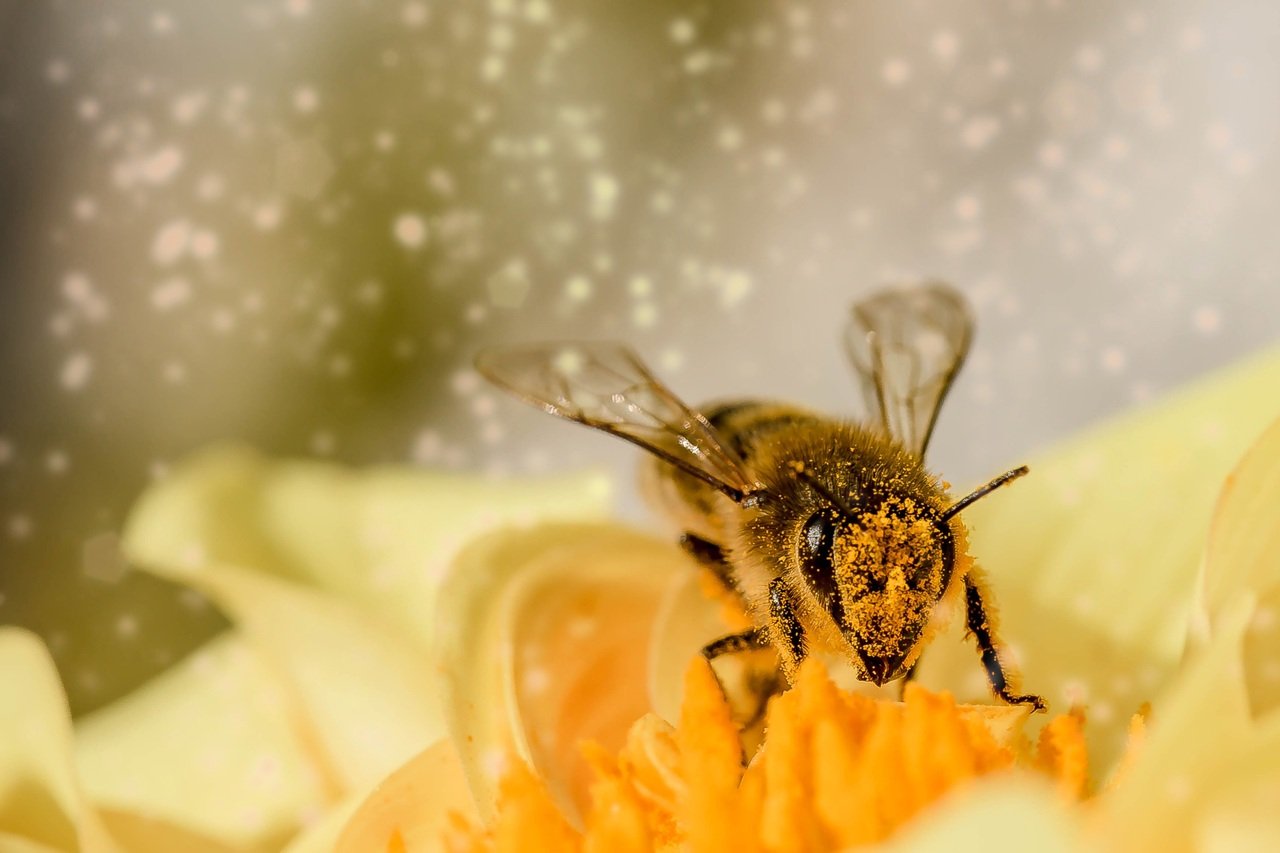
Bees are among the most important pollinators of both wild plants and crops. According to the Food and Agriculture Organization (FAO), around 75% of flowering plants depend on pollinators like bees to reproduce. For agriculture, this means that crops such as fruits, vegetables, nuts, and even some grains rely on bees for pollination.
Some of the most common crops that are bee-pollinated include apples, almonds, strawberries, tomatoes, and cucumbers. These crops form a significant part of the global food supply, and their decline would lead to both reduced availability and increased prices. It’s estimated that one out of every three bites of food we consume can be linked to pollination, most of which is carried out by bees.

Declining Bee Populations: What’s Happening?
1. Pesticide Use
One of the major contributing factors to the decline in bee populations is the widespread use of pesticides. In particular, neonicotinoids, a class of neurotoxic chemicals, have been linked to bee mortality. These chemicals affect the central nervous system of bees, impairing their ability to navigate, forage for food, and return to their hives. This disorientation can lead to colony collapse, where bees abandon their hives and fail to return.
Pesticides are often used in large-scale agriculture, where crops are treated with chemicals to prevent pests. Unfortunately, these pesticides not only target pests but also affect non-target species like bees. Although some regulations have been put in place to limit pesticide use, their continued presence in farming practices remains a critical threat to bee populations.
2. Habitat Loss
Urbanization, industrial farming practices, and deforestation have all contributed to the loss of natural habitats for bees. Wildflowers, shrubs, and trees that bees depend on for nectar and pollen are disappearing at an alarming rate. As natural habitats are replaced by concrete landscapes and monoculture farms, bees have fewer places to forage and build their nests.
Bees require a diverse environment with a variety of plants to thrive. The monoculture farming systems that dominate much of the agricultural landscape offer limited options for bees to gather resources. Moreover, the destruction of wild habitats through land clearing further exacerbates the situation.
3. Climate Change
Climate change is another factor influencing the decline in bee populations. Changing weather patterns affect the blooming periods of flowers, which in turn impact the availability of food for bees. Warmer temperatures may cause flowers to bloom earlier, while erratic weather events like droughts or floods may disrupt the timing of flowering. This creates mismatches between when bees are active and when flowers are available for pollination.
Additionally, extreme weather conditions can directly harm bee populations. Heatwaves, for instance, can cause the collapse of entire colonies, while heavy rains and floods can wash away bee habitats or destroy nests.
4. Diseases and Parasites
Bees are also vulnerable to a range of diseases and parasites that can weaken and kill colonies. The varroa mite, for example, is a parasitic mite that attacks honeybees, sucking their blood and transmitting harmful viruses. These mites have been responsible for devastating honeybee colonies worldwide. Moreover, fungal infections and bacterial diseases have been linked to the weakening of bee populations.
Diseases and parasites often spread more rapidly in managed bee colonies, where bees are often moved from one location to another in search of food sources. The stress of transportation, combined with the exposure to different environmental conditions, makes these colonies more susceptible to diseases and pests.

The Consequences for Global Food Supply
The decline in bee populations has far-reaching consequences for food production. If bees continue to decrease in numbers, the global food supply could experience disruptions in several ways:
1. Reduced Crop Yields
Without sufficient pollination, the yields of many crops will decrease. This would particularly affect crops that rely heavily on bees for pollination, such as apples, blueberries, and almonds. Farmers would face challenges in maintaining adequate crop production, leading to a reduced supply of these food items.
As a result, food prices for these crops would increase. The price hikes would be felt most by consumers, particularly in low-income regions, where access to nutritious food is already limited. Additionally, countries that rely on bee-pollinated crops for export could see a decline in their agricultural exports, affecting global trade.
2. Threat to Biodiversity
Bees don’t just pollinate crops; they are also crucial to the pollination of wild plants that support biodiversity. Many of these plants provide food for other animals, and their loss could have a cascading effect on ecosystems. A reduction in the number of bees would not only threaten human food security but also disrupt natural ecosystems that depend on plant-pollinator relationships.
3. Increased Dependence on Artificial Pollination
In response to declining bee populations, farmers may turn to artificial pollination methods, such as hiring laborers to manually pollinate flowers or using technology to replicate pollination. However, these alternatives are costly and inefficient. Manual pollination is time-consuming, and technology is still in the early stages of development. In addition, artificial pollination cannot fully replace the complex and efficient system provided by bees.

What Can Be Done to Protect Bees?
While the decline of bee populations is concerning, several measures can be taken to protect and conserve these vital pollinators:
1. Reducing Pesticide Use
Governments and agricultural industries need to regulate the use of harmful pesticides, particularly neonicotinoids. There is a growing push to adopt organic farming practices, which use fewer chemicals, as well as integrated pest management (IPM) techniques that reduce the need for pesticides.
2. Protecting Habitats
Protecting and restoring bee habitats is crucial for ensuring that bees have access to food sources. This involves planting wildflowers, reducing monoculture farming, and conserving natural habitats. Urban areas can also contribute by creating “bee-friendly” spaces, such as community gardens and wildflower meadows, to provide bees with a steady supply of nectar and pollen.
3. Supporting Sustainable Farming Practices
Farmers can be encouraged to adopt more sustainable practices, such as crop rotation, agroforestry, and intercropping, which support biodiversity and create a more resilient environment for pollinators. Providing bees with a variety of flowers and crops throughout the year can help sustain their populations.
4. Raising Public Awareness
Public awareness campaigns can help people understand the importance of bees and the need for conservation. Simple actions, such as planting bee-friendly flowers in gardens or avoiding the use of harmful pesticides, can make a significant difference.
Conclusion
The decline in bee populations is not just an environmental issue—it is a matter of global food security. As key pollinators of many crops, bees play a vital role in the food supply chain, and their loss could lead to reduced crop yields, increased food prices, and ecological disruptions. While the problem is complex, some steps can be taken to address it. By reducing pesticide use, protecting habitats, and supporting sustainable farming practices, we can help reverse the decline in bee populations and ensure a secure and resilient food supply for generations to come.