Breaking: Historic Archaeological Find Unearths Lost City in Egypt
July 15, 2025 — In one of the most monumental discoveries of recent decades, archaeologists have announced the excavation of a long-lost city beneath Tell el‑Faraʾīn (Tell Nebesha), identified as the ancient city of Imet, located in Egypt’s eastern Nile Delta. This find has already been hailed as a game-changer for understanding urban life in Late Period Egypt.
Rediscovering Imet: A City Lost to Time
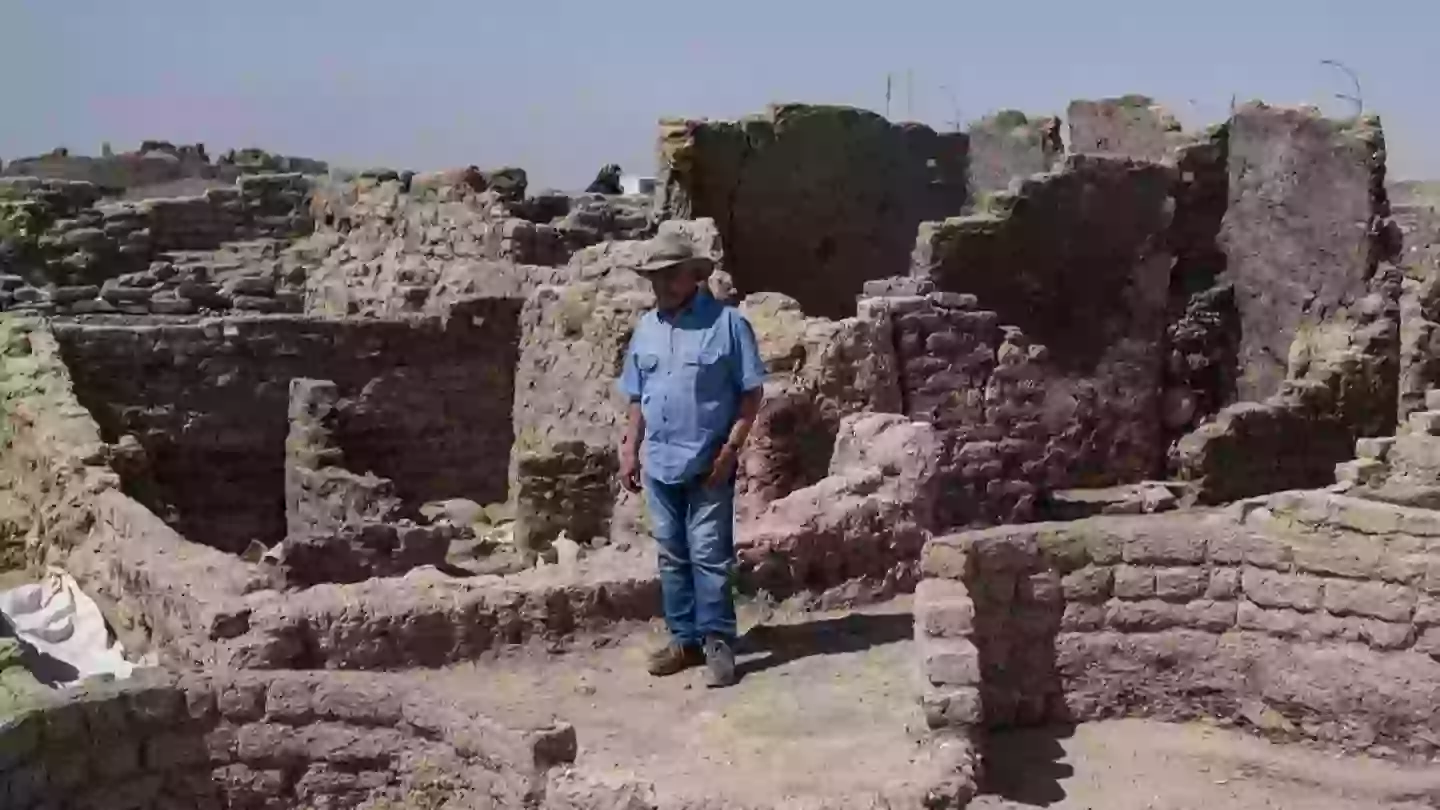
The British‑Egyptian team, led by the University of Manchester in collaboration with the University of Sadat City, announced their significant finds in a June 24 press release. Using advanced remote sensing and satellite imagery, archaeologists pinpointed dense, multilevel mudbrick structures—tower houses, granaries, and public buildings—from the 4th century B.C.
This marks a significant breakthrough: Imet, also known as Buto, emerges not as a marginal hamlet but as a thriving urban center, complete with elaborate infrastructure, ceremonial roads, and religious buildings dedicated to deities like Wadjet and Hathor.
What Makes This Discovery So Groundbreaking
1. Multistory ‘Tower Houses’
The uncovering of tower houses—multilevel residential structures with thick foundation walls—reveals a densely populated city tailored to its inhabitants’ needs. These high-tech constructions alone distinguish Imet from most other Delta settlements.
2. Urban Planning and Infrastructure
- Ceremonial road: leading to the temple of the cobra goddess Wadjet, underscores the city’s religious centrality.
- Granaries and storage complexes: vital for managing agricultural surplus.
- Animal enclosures and public buildings reflect organized livestock, commerce, and community life
3. Rich Array of Artifacts
Among the stunning finds:
- Faience ushabti figurines, symbolizing funerary practices
- Bronze sistrum linked to Hathor rituals
- Stela of Horus flanked by crocodiles, underscoring religious ties
- Depictions of Harpocrates and other deities
- Everyday items: pottery, tools, and granary equipment
Together, these yield intimate glimpses into Deltaian spiritual practices and urban routines.
Historical Context: I Met Through the Ages
Historical records place Imet as a major hub in the eastern Nile Delta, recognized for its strategic placement within trade and agricultural routes. The city thrived during the Late Period, especially under the Ptolemaic kings (332–30 B.C.), a transitional era blending Egyptian and Hellenistic cultures.
The well-preserved architecture and art hint at a city operating at its peak, possibly responding to Egyptian efforts to revitalize Delta settlements during times of socio-political fluidity.
Scientific Breakthrough: Tech Meets Tradition
The excavation highlights archaeological innovation:
- Remote sensing & satellite imaging identified subsurface mudbrick masses before digging—a major leap from traditional site surveying
- Strategic excavation confirmed these signals, uncovering structural remains without excessive disturbance.
This blend of tech and fieldwork marks a new era in pinpointing archaeological hotspots and preserving fragile relics.
Scholarly and Cultural Significance
1. Urban Deltaian Life Unveiled
I met a challenge to the assumptions that Late Period Egyptian cities were modest. It reveals strong urbanism—vertical living, public planning, and ceremonial thoroughfares—mirroring greater Nile Valley sophistication.
2. Religious Dynamics Illuminated
The co-existence of temples dedicated to deities like Wadjet, Horus, Hathor, and Harpocrates suggests a fusion of Egyptian and Hellenistic religious practices. The ceremonial road likely served ritual processions and community gatherings.
3. Economic Complexity
Storage facilities, granaries, and livestock zones imply that Imet functioned as an agricultural and economic powerhouse in the Delta. Hub for redistribution, trade, and production during the Ptolemaic era.
Voices from the Field
University of Manchester’s Egyptologist Nicky Nielsen emphasized:
“These tower houses… show that Imet was a thriving and densely built city with a complex urban infrastructure.”
Finds of household materials, animal burials, and built-for-purpose roads all paint a vivid tableau of daily Deltaian life in antiquity.
What Lies Ahead: Excavation & Preservation
The discovery launches a multi-pronged archaeological roadmap:
- Material analysis: Carbon dating, pigment studies, and residue analysis—help date building phases and ritual timelines.
- Excavation expansion: Targeting residential zones, workshops, and cemeteries to build a fuller urban portrait.
- Heritage protection: Planning for the conservation of mudbrick structures vulnerable to erosion and climate.
Imet is slated to inform future displays at Egypt’s Ministry of Tourism & Antiquities and may soon include an on-site interpretive visitor center.
A New Perspective on Deltaian Civilization
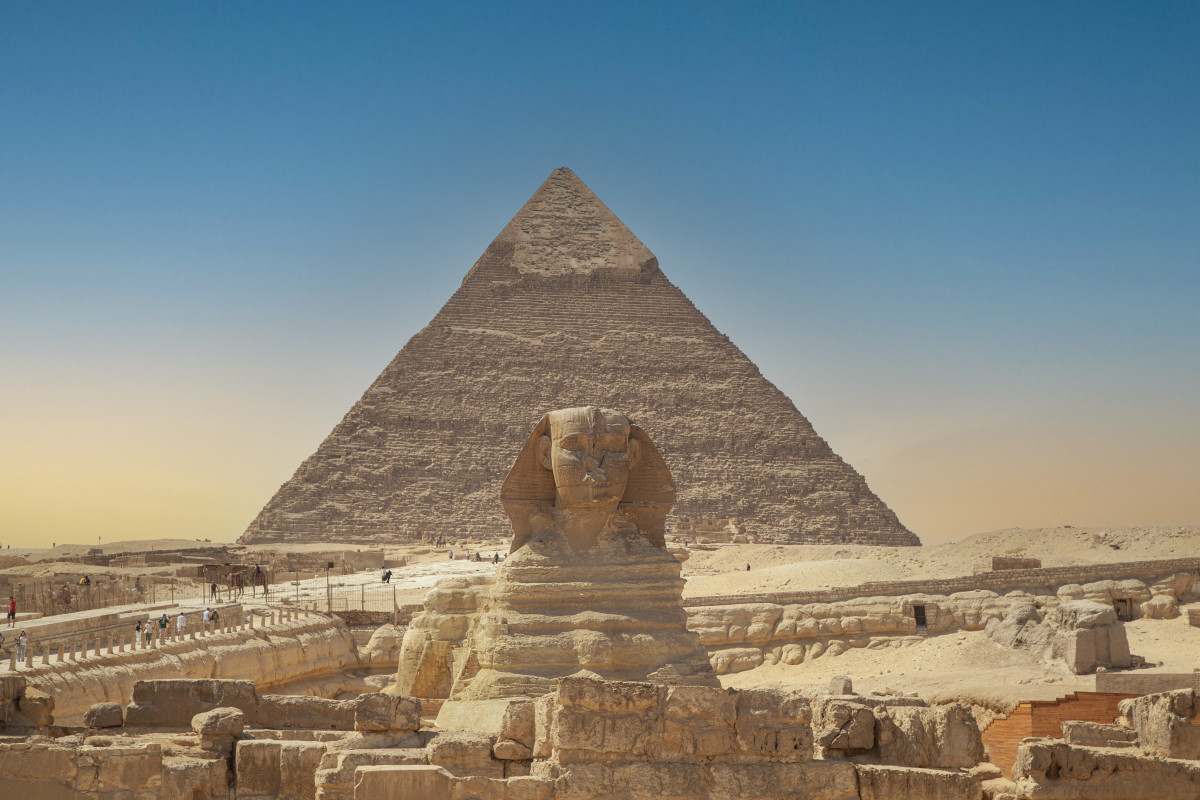
Imet brings fresh focus to the Nile Delta, often overshadowed by Thebes and Giza. This discovery asserts the region’s vital role throughout Egyptian history, especially in the Late and Ptolemaic periods.
For scholars, it’s a catalyst for new research into:
- Urban networks across the Delta
- Local administration and civic governance
- Integration of Greco-Egyptian cultural motifs
- Climate resilience of Nile Delta settlements
Why the World Should Care
- Cultural heritage revival: In a region with tumultuous recent history, discoveries like Imet reaffirm the value of Egypt’s deep past.
- Tourism potential: Once excavated and protected, the site could become an educational and heritage draw.
- Technological milestone: Proving remote sensing’s archaeological power can guide international excavation standards.
Conclusion: Imet’s Resonance Across Time
The unveiling of Imet marks a breakthrough in Delta archaeology, revealing a sophisticated cityscape under the sands. From multistory dwellings to ceremonial roads, the find reshapes our understanding of Late Period Egypt.
Far more than an archaeological story, Imet is a narrative of human resilience and ingenuity—how communities adapted, worshipped, governed, and thrived beside the Nile across centuries.
As excavation continues, and artifacts enter museums and research labs, Imet promises to become a cornerstone of ancient Egyptian studies and public fascination. The city was lost—but never forgotten.