
Tech Giants Face Congressional Scrutiny Over Data Privacy Practices
In recent years, the question of how tech giants handle consumer data has come under intense scrutiny. As data breaches, unauthorized surveillance, and misuse of personal information become more frequent, Congress is stepping in to demand answers. Companies like Meta (formerly Facebook), Google, Amazon, Apple, and Microsoft are now finding themselves at the center of high-stakes hearings aimed at uncovering the full extent of their data privacy practices.
This blog explores the current landscape of tech regulation, key moments from recent congressional hearings, and what it all means for consumers and the future of digital privacy.
The Growing Concern Over Data Privacy
With the rapid rise of digital platforms and smart devices, personal data has become one of the most valuable commodities in the world. Everything from our browsing habits to our biometric data is now collected, analyzed, and monetized. While this data fuels innovation and customization, it also opens the door to significant privacy risks.
Recent high-profile scandals, such as the Cambridge Analytica case, where Facebook user data was harvested without consent, have exposed the dark side of data capitalism. As consumers become more aware of how their information is being used, trust in tech companies is steadily declining.

Why Congress Is Getting Involved
The U.S. Congress has traditionally taken a laissez-faire approach to tech regulation. However, mounting public pressure and media scrutiny have pushed lawmakers to act. Several bipartisan efforts are now underway to introduce legislation aimed at regulating how companies collect, store, and share personal information.
Key drivers behind this increased oversight include:
- Consumer Protection: Lawmakers aim to ensure that users have control over their data and are not unknowingly subjected to invasive tracking.
- National Security: Concerns about foreign interference and cybersecurity have prompted questions about how secure user data really is.
- Market Competition: Some officials argue that monopolistic practices in Big Tech give them an undue advantage in the data economy.
Highlights from Recent Congressional Hearings
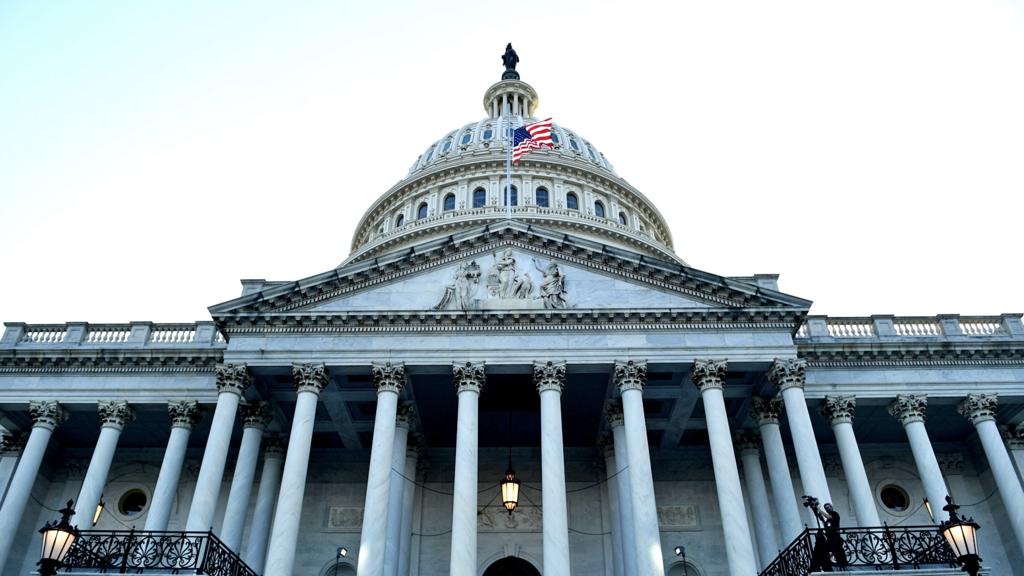
In a series of hearings held over the past two years, tech CEOs have been summoned to Capitol Hill to testify under oath. Here are some major takeaways:
1. Mark Zuckerberg (Meta)
In multiple hearings, Zuckerberg was grilled over Facebook’s role in spreading misinformation and its lack of transparency regarding data-sharing practices with third-party apps.
Quote from hearing: “Your company has repeatedly said ‘we’ll do better,’ yet time and again, you’ve failed to protect user data,” said Senator Richard Blumenthal during a 2023 hearing.
2. Sundar Pichai (Google)
Google’s CEO faced questions about location tracking, ad targeting, and the extent to which the company uses artificial intelligence to profile users.
Key issue: Even when users turned off location tracking, Google allegedly continued to collect data through background processes.
3. Tim Cook (Apple)
While Apple has marketed itself as a privacy-first company, Cook was still asked to clarify its App Store policies and data-sharing relationships with third parties, especially in international markets like China.
4. Andy Jassy (Amazon)
Amazon’s handling of Alexa voice recordings and Ring surveillance data raised significant concerns. Lawmakers questioned how much data Amazon collects through its smart devices and how securely it stores it.
5. Satya Nadella (Microsoft)
Microsoft, though less criticized than its peers, was questioned about data stored on its Azure cloud and its enterprise data handling, particularly for government and healthcare clients.

Legislative Actions on the Horizon
Following these hearings, Congress is considering several key pieces of legislation:
1. American Data Privacy and Protection Act (ADPPA)
This proposed federal law aims to create a baseline standard for data privacy across the United States, including:
- Opt-in consent for data collection
- Limitations on data retention
- Clear consumer rights to access and delete their information
2. Children and Teens’ Online Privacy Protection
There’s increasing momentum behind stricter privacy regulations for minors, with new bills proposing tighter controls on how platforms collect data from users under 18.
3. Antitrust Legislation
While not directly focused on data, antitrust bills could indirectly influence privacy by breaking up monopolies that control vast amounts of consumer data.
The Global Context: U.S. vs. Europe
The U.S. is lagging behind Europe when it comes to comprehensive data privacy laws. The General Data Protection Regulation (GDPR) in the European Union has become the gold standard, imposing strict rules on data collection and giving consumers significant control.
U.S. lawmakers often reference GDPR as a model, but are cautious about stifling innovation. The challenge lies in balancing consumer protection with economic growth and technological advancement.
What It Means for Consumers
As tech giants face increasing scrutiny and regulation, consumers stand to gain more control and transparency. Here are some potential benefits:
- Greater Control Over Personal Data: Users may be able to opt out of data collection more easily.
- Increased Transparency: Companies could be required to disclose what data they collect and how it is used.
- Improved Security Standards: Mandatory security practices could reduce the risk of data breaches.
- Accountability: With the threat of fines and penalties, companies will likely become more cautious in how they handle personal information.
Tech Industry Pushback
Unsurprisingly, the tech industry is not taking this shift lightly. Lobbying efforts have ramped up, with some companies arguing that federal regulations could hamper innovation or create compliance burdens for smaller players.
Others advocate for a unified national law to replace the growing patchwork of state-level regulations (such as California’s CCPA and CPRA), which they claim is confusing and costly to implement.
Conclusion: A New Era of Accountability
The era of unchecked data collection may be coming to a close. As congressional scrutiny intensifies and privacy legislation gains traction, tech giants are being forced to rethink their business models and data strategies. This new era of accountability promises to reshape the digital landscape—not just for companies, but for every individual who uses the internet.
For consumers, the message is clear: your data matters, and the fight to protect it is far from over.