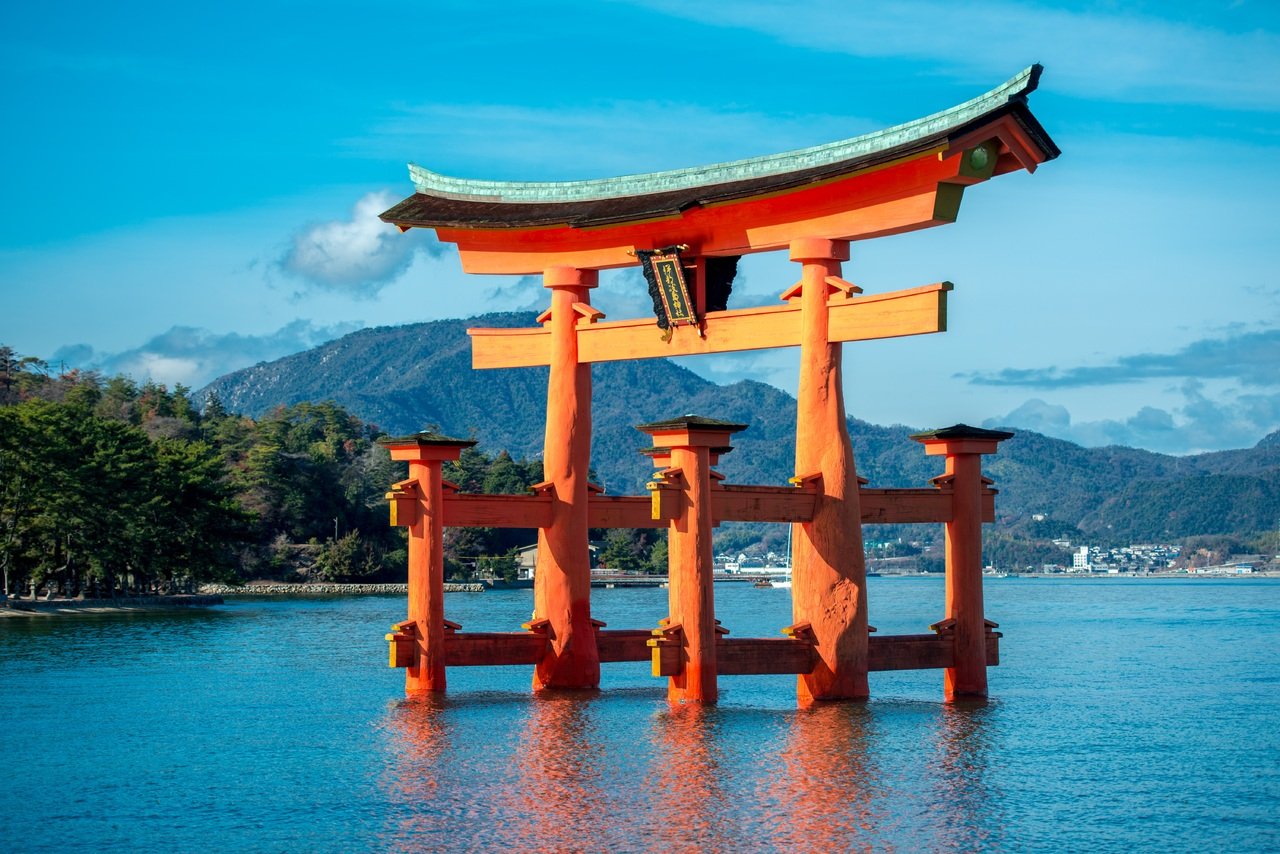
UNESCO Adds Seven New Sites to the World Heritage List: A Glimpse into Global Treasures
The UNESCO World Heritage List continues to grow, as the United Nations Educational, Scientific and Cultural Organization (UNESCO) has recently added seven new sites to its prestigious catalog. Each year, the World Heritage List expands to recognize the cultural and natural significance of places across the globe. These additions not only highlight the diversity of the world’s heritage but also raise awareness about the need to preserve these invaluable locations for future generations.
In this article, we will explore the latest seven sites added to the World Heritage List, the importance of this recognition, and what it means for global preservation efforts.
What is UNESCO World Heritage?
UNESCO’s World Heritage List identifies locations around the world that are deemed to have significant cultural, historical, scientific, or natural value. The criteria for selection are stringent, with sites needing to demonstrate outstanding universal value (OUV) in at least one of the categories. These categories are:
- Cultural Heritage: Sites that represent human cultural achievement, like ancient monuments, cities, and landscapes.
- Natural Heritage: Areas of outstanding natural beauty or ecological importance.
- Mixed Heritage: Locations that combine both cultural and natural significance.
The inclusion of a site on the UNESCO World Heritage List is not just a symbolic honor; it often leads to increased tourism, research opportunities, and funding for preservation. It also helps foster international cooperation for safeguarding these unique sites.
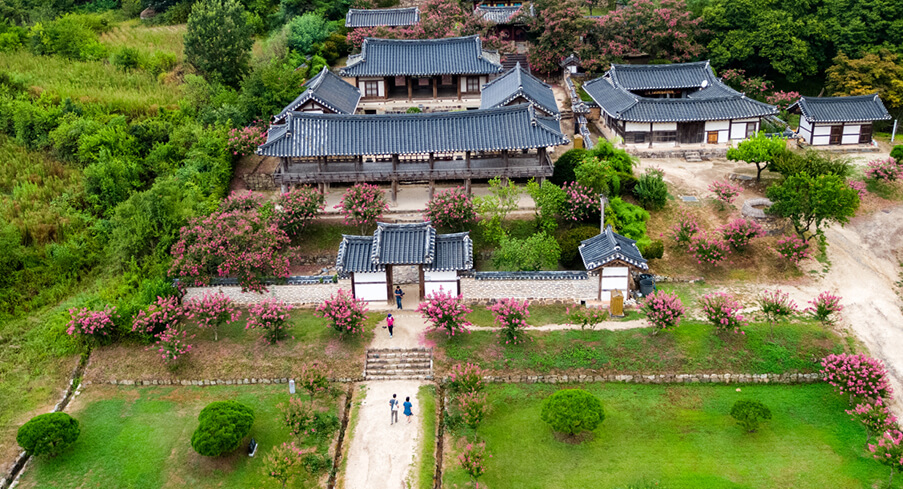
Seven New Sites Added to the UNESCO World Heritage List
The most recent round of World Heritage additions features a diverse range of locations, from ancient cities to ecological wonders. Let’s dive into the seven new sites that have earned this distinction.
1. The Aso Volcano, Japan
Japan’s Aso Volcano, one of the world’s largest volcanic craters, has been added to the World Heritage List. Located in the Kumamoto Prefecture, this geological wonder spans over 1,000 square kilometers and is an active volcano with a rich history of volcanic activity. The Aso Caldera houses fertile lands where farming has been practiced for centuries, and the Aso Shrine, a significant cultural site, is nestled within the volcanic landscape.
The region is not only a geologically significant site but also plays an important role in local agriculture and traditions, with indigenous farming practices deeply intertwined with the volcanic environment. The inclusion of Aso Volcano emphasizes the relationship between human culture and natural phenomena.
2. Algerian Kasbah of Algiers, Algeria
The Kasbah of Algiers, a historical district of the Algerian capital, has earned a spot on the World Heritage List due to its outstanding universal value in representing a blend of Islamic and Mediterranean architecture. Founded in the 16th century, this area features a maze of narrow streets, old houses, mosques, and palaces, many of which date back to the Ottoman era.
The Kasbah’s unique architecture and its historical significance as a center of resistance during the Algerian War of Independence have made it an important cultural landmark. However, the site has faced challenges related to urbanization and neglect. UNESCO’s recognition of the Kasbah is expected to bolster preservation efforts and highlight the need for restoration and conservation of this unique urban heritage.
3. The Archaeological Site of Lumbini, Nepal
Lumbini, the birthplace of Siddhartha Gautama—the Buddha—has been added to the World Heritage List. Situated in Nepal’s Rupandehi District, Lumbini is a spiritual destination for millions of Buddhists around the world. The site includes ancient ruins, temples, and the famous Sacred Garden where the Buddha was born in the 6th century BCE.
Lumbini is not only important for its religious significance but also as a symbol of peace, harmony, and enlightenment. The site’s inclusion in the World Heritage List recognizes its global importance as a place of pilgrimage and historical significance. Preservation of Lumbini is vital for maintaining its spiritual integrity and allowing future generations to experience this UNESCO-designated cultural treasure.
4. The Iguazu National Park, Argentina and Brazil
Iguazu National Park, straddling the border between Argentina and Brazil, is renowned for the stunning Iguazu Falls, one of the largest and most majestic waterfall systems in the world. The park covers an area of over 62,000 hectares and is home to a rich diversity of flora and fauna, including endangered species such as the jaguar and giant river otter.
The addition of Iguazu National Park to the World Heritage List highlights its outstanding natural value, not only for its breathtaking waterfalls but also for its unique ecosystems. The site serves as an important conservation area and a popular ecotourism destination, promoting sustainable tourism and the protection of biodiversity.
5. The Sacred Sites and Pilgrimage Routes in the Kii Mountain Range, Japan
The Kii Mountain Range, located on the Japanese island of Honshu, has been recognized for its role in Shinto and Buddhist practices. The region features several sacred temples, shrines, and pilgrimage routes that date back to the 9th century, with some of the oldest places of worship in Japan. The pilgrimage routes, which include the famous Kumano Kodo, offer a path through verdant forests and steep mountainsides, providing both spiritual and physical challenges.
The Kii Mountain Range represents a unique blend of spirituality and nature that has been preserved for over a millennium. UNESCO’s recognition of the site helps highlight the importance of maintaining these sacred routes for both religious practice and cultural heritage.
6. The Pre-Hispanic City of Teotihuacan, Mexico
Teotihuacan, one of the most influential and impressive ancient cities of the Americas, has long been a subject of archaeological fascination. Located in central Mexico, Teotihuacan is home to the Pyramid of the Sun, the Pyramid of the Moon, and the Avenue of the Dead, all of which were constructed between the 1st and 7th centuries CE.
Teotihuacan was once one of the largest cities in the world and remains an important symbol of Mesoamerican culture and urban planning. The site’s inclusion on the World Heritage List not only acknowledges its grandeur but also encourages further research into the advanced civilizations that built and inhabited this ancient city. Preservation efforts are critical to maintain Teotihuacan as a testament to human ingenuity and creativity.
7. The Richat Structure (Eye of the Sahara), Mauritania
The Richat Structure, also known as the “Eye of the Sahara,” is an extraordinary geological formation located in the Sahara Desert of Mauritania. This circular formation spans nearly 50 kilometers in diameter and is one of the most striking natural landmarks visible from space. Its origin has been a subject of much debate, with theories ranging from ancient volcanic activity to meteorite impacts.
The Eye of the Sahara is a unique geological feature that offers valuable insight into the Earth’s natural history. Its addition to the World Heritage List highlights the importance of preserving such natural wonders that offer a window into our planet’s geological evolution.

The Importance of World Heritage Recognition
Being added to the UNESCO World Heritage List brings several benefits, not just for the sites themselves but for the global community as a whole:
- Preservation Efforts: Recognition often leads to increased funding and resources for the conservation of these sites. Governments, organizations, and local communities can work together to protect these landmarks for future generations.
- Cultural Exchange: These sites act as bridges between cultures, fostering understanding and dialogue between different societies.
- Tourism and Education: World Heritage status can drive responsible tourism, which helps educate people about the historical, cultural, and natural significance of these places while also providing economic benefits to local communities.
Conclusion
The inclusion of these seven new sites on the UNESCO World Heritage List is a reminder of the incredible diversity of our world, from sacred pilgrimage routes to ancient cities and breathtaking natural landscapes. Each of these sites holds immense cultural and historical value, and their protection and preservation are critical to maintaining our collective heritage.
By raising awareness about these sites, UNESCO’s World Heritage initiative encourages global cooperation in safeguarding the planet’s most important treasures. As we look forward to future additions to the list, we must continue to appreciate, protect, and preserve the cultural and natural legacies that make our world so unique.