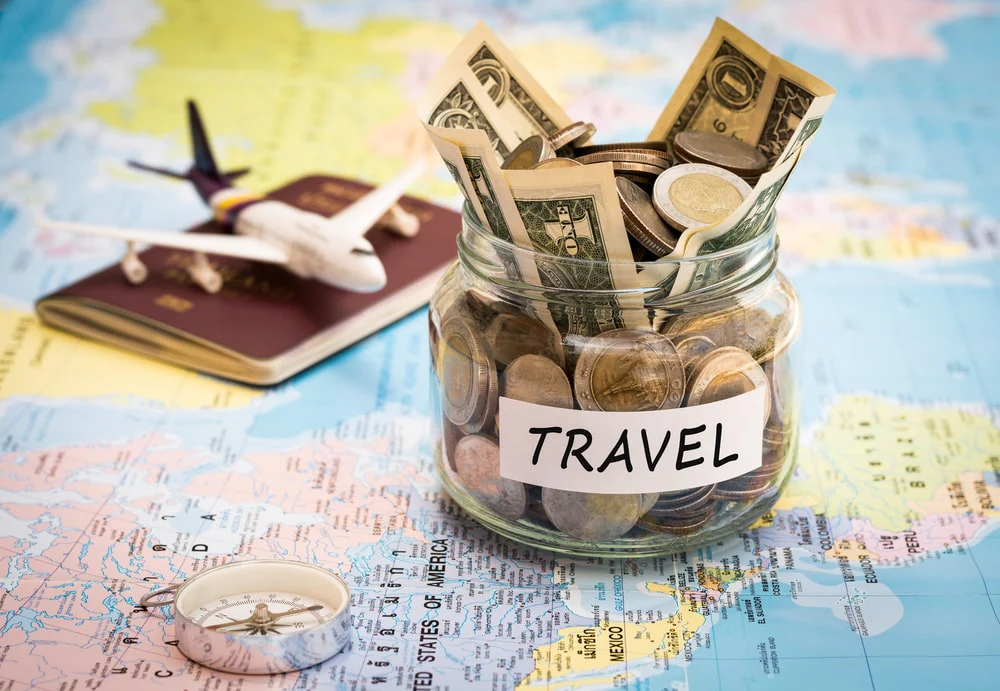
Traveling the world doesn’t have to break the bank. With careful planning, smart strategies, and the right mindset, it’s possible to explore new destinations while spending less. Whether you’re a student, a digital nomad, or just someone looking to take a vacation without draining your savings, budget travel is achievable for everyone.
This detailed guide will cover how to travel on a low budget, with practical examples, actionable tips, and FAQs to help you make the most of your trips without overspending.
Why Budget Travel Matters
Traveling on a low budget is not just about saving money — it’s about traveling smarter and experiencing more.
Key Benefits of Budget Travel
- Affordability: Travel without financial stress
- Flexibility: More freedom to choose destinations
- Sustainable habits: Less wasteful and more mindful travel
- Authentic experiences: Staying local and engaging with communities
Budget travel encourages creativity and helps you enjoy more while spending less.
How to Plan a Low-Budget Trip
Good planning is the foundation of budget travel.
1. Choose Affordable Destinations
Not all countries cost the same to visit. Some destinations are naturally budget-friendly due to lower living costs.
Examples of Budget-Friendly Destinations in 2026
- Southeast Asia: Thailand, Vietnam, Cambodia
- Eastern Europe: Poland, Romania, Bulgaria
- Central America: Guatemala, Nicaragua, Honduras
- South Asia: India, Nepal, Sri Lanka
By choosing destinations wisely, you can stretch your travel budget significantly.
2. Travel During Off-Peak Seasons
Visiting popular places during off-peak times reduces costs for accommodation, flights, and attractions.
Example
A traveler visits Paris in November instead of July. Airfares and hotels are cheaper, and tourist spots are less crowded.
3. Set a Realistic Budget
Define a clear daily budget including accommodation, food, transport, and activities. Use apps like Trail Wallet or Mint to track expenses.
Example
- Accommodation: $20 per night
- Food: $15 per day
- Transportation: $10 per day
- Activities: $20 per day
Total daily budget: $65
4. Use Travel Apps for Deals
Budget travelers can benefit from technology:
- Skyscanner: Find cheap flights
- Rome2rio: Compare transport options
- Hostelworld: Affordable lodging
- Airbnb: Budget-friendly rooms and homes
Using these apps helps find the best deals and save money.
Accommodation Tips for Budget Travelers
Accommodation is one of the largest travel expenses, but there are ways to reduce costs.
1. Hostels
Hostels are ideal for budget travelers, offering dorm-style rooms and social interaction.
Example
A traveler in Bangkok stays in a $10-per-night hostel instead of a $50 hotel, saving hundreds over a week.
2. Budget Hotels and Guesthouses
Small hotels or family-run guesthouses are often cheaper than international chains.
Example
In Vietnam, guesthouses provide private rooms with meals for $15–$20 per night.
3. Couchsurfing
Couchsurfing allows you to stay with locals for free, often gaining insider tips about the city.
Example
A traveler in Lisbon finds a host through Couchsurfing, learning about hidden cafes and affordable attractions.
4. House Sitting and Volunteering
Websites like TrustedHousesitters let you stay for free in exchange for looking after a home or pets. Some volunteer programs provide accommodation and meals in exchange for work.
Transportation on a Budget
Transportation can consume a large part of your travel budget if not planned carefully.
1. Use Budget Airlines
Low-cost carriers often offer flights for a fraction of the cost of mainstream airlines. Always check baggage rules to avoid extra fees.
Example
Flying from London to Budapest on Ryanair for $25 instead of $120 on a full-service airline.
2. Public Transport
Trains, buses, and metro systems are cheaper than taxis or rental cars.
Example
A traveler in Spain buys a Renfe Spain Pass to travel to multiple cities on discounted train fares.
3. Ride-Sharing and Carpooling
Apps like BlaBlaCar connect drivers with passengers, reducing travel costs significantly.
4. Walking and Cycling
Exploring cities on foot or by bicycle saves money and enhances the local experience. Many cities offer affordable bike rental systems.
Eating and Drinking on a Budget
Food can be another major expense, but you can eat well without overspending.
1. Street Food and Local Markets
Street food is often cheaper and more authentic than restaurant meals.
Example
Eating a bowl of pho in Hanoi for $1.50 instead of a sit-down restaurant meal for $5–$6.
2. Self-Catering
Buying groceries and cooking your own meals in hostels or apartments saves money.
3. Avoid Tourist Traps
Restaurants near main attractions tend to be overpriced. Walk a few blocks to find local favorites.
4. Free Water
Bring a reusable water bottle and refill it at safe locations to avoid buying bottled water frequently.
Activities and Sightseeing on a Budget
There are many ways to enjoy attractions without spending too much.
1. Free Walking Tours
Many cities offer free walking tours. Guides often work on optional tips.
Example
A traveler joins a free walking tour in Berlin, learning about the city’s history for $5 instead of paying $25 for a private tour.
2. Museum Passes and Discounts
Some museums offer free entry on certain days or discounted passes for multiple attractions.
Example
Paris Museum Pass allows entry to 50+ sites for a fixed price, saving money for multiple visits.
3. Nature-Based Activities
Beaches, hiking trails, and national parks are often inexpensive or free.
Example
Hiking the trails in Costa Rica’s national parks costs only $10–$15 for entry, offering a full-day adventure.
4. Use Travel Apps for Deals
Apps like Groupon, Klook, and GetYourGuide offer discounts on tours and activities.
Money-Saving Hacks While Traveling
1. Book in Advance
Flights, trains, and some accommodations are cheaper when booked early.
2. Travel Light
Avoid baggage fees by packing only essentials in a carry-on.
3. Use Local SIM Cards or eSIM
International roaming is expensive; local SIMs reduce costs.
4. Loyalty Programs
Sign up for airline, hotel, and travel app loyalty programs to earn points and discounts.
5. Travel Insurance
While it’s an upfront cost, insurance can save thousands in emergencies.
Examples of Low-Budget Travel Itineraries
Example 1: 7 Days in Vietnam on $400
- Accommodation: $10 per night x 7 = $70
- Food: $10 per day x 7 = $70
- Transport (buses/trains): $50
- Activities and entrance fees: $50
- Flights: $160
This traveler explores Hanoi, Ha Long Bay, and Hoi An, eating street food, staying in hostels, and using buses.
Example 2: 5 Days in Eastern Europe on $350
- Accommodation: $15 per night x 5 = $75
- Food: $12 per day x 5 = $60
- Transport: $50
- Activities: $50
- Flights: $115
Destinations: Budapest and Krakow. Traveler uses hostels, eats at local markets, and enjoys free walking tours.
FAQs About Traveling on a Low Budget
Can I travel internationally on a low budget?
Yes. Choosing budget-friendly countries, traveling off-season, and using low-cost airlines helps.
Is it safe to stay in hostels or Couchsurfing?
Yes, as long as you read reviews, follow guidelines, and use verified hosts.
How do I save on food while traveling?
Eat street food, cook in hostels, and avoid touristy restaurants.
Can I travel for months without overspending?
Yes, by setting a daily budget, booking cheap accommodation, and managing transportation wisely.
Are travel apps really worth it?
Absolutely. Apps help find deals, manage itineraries, and track expenses, saving both money and time.
Final Thoughts on Budget Travel
Traveling on a low budget requires planning, creativity, and smart choices, but it’s entirely possible. From choosing affordable destinations, booking off-season, and using apps for cheap flights, to staying in hostels, cooking your own meals, and enjoying free activities — every small decision adds up.
Budget travel doesn’t mean sacrificing experiences. On the contrary, it often leads to more authentic encounters, flexibility, and adventure. Whether it’s exploring Southeast Asia, hiking in Europe, or road-tripping in Central America, traveling smart ensures unforgettable experiences without financial stress.
Start planning your next adventure today, follow these strategies, and discover how much of the world you can explore on a shoestring budget!


