Blockchain Technology Revolutionizes Supply Chain Management
Supply chain management (SCM) has been evolving rapidly in recent years, driven by advancements in technology. Among the most transformative innovations is blockchain technology, which is steadily reshaping how businesses track, manage, and authenticate goods from production to delivery. With its ability to provide transparency, security, and efficiency, blockchain is becoming a key tool for organizations striving to streamline their supply chains while enhancing accountability.
In this article, we’ll explore how blockchain technology is revolutionizing supply chain management, the benefits it offers, and how businesses can leverage it for optimal results.
What is Blockchain Technology?
At its core, blockchain is a decentralized digital ledger that records transactions across multiple computers in such a way that the registered transactions cannot be altered retroactively. The technology uses cryptography to secure the data and ensures transparency, traceability, and immutability.
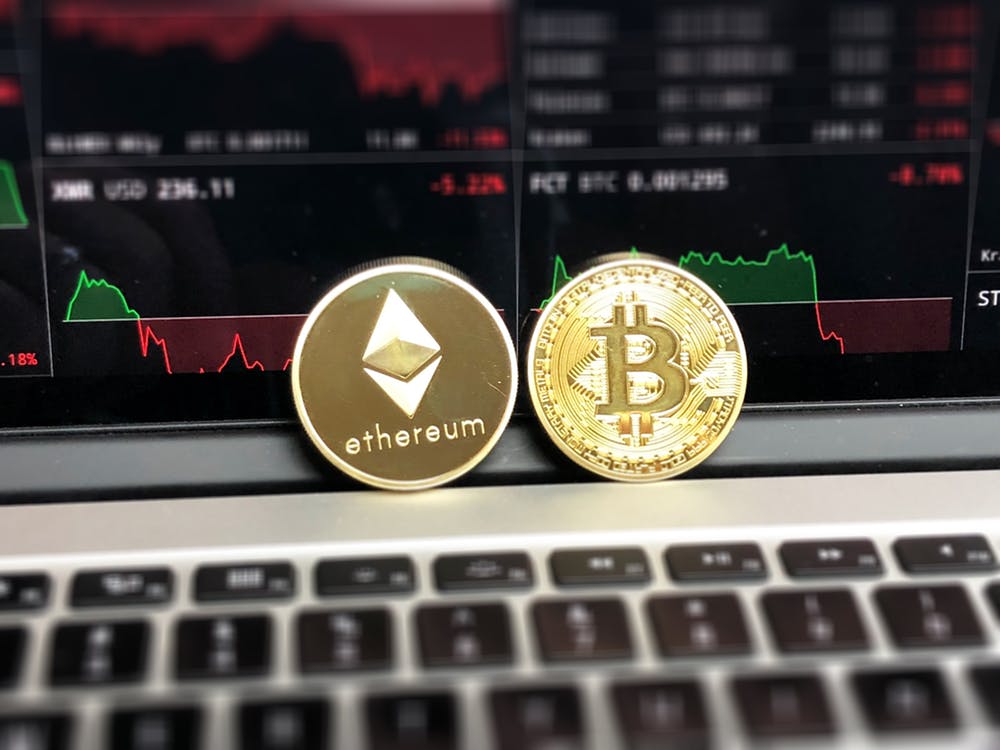
Though blockchain is widely known for being the backbone of cryptocurrencies like Bitcoin and Ethereum, its potential reaches far beyond digital currencies. By extending blockchain to supply chain management, businesses can benefit from a variety of new capabilities that enhance performance and reliability.

How Blockchain Technology Transforms Supply Chain Management
The adoption of blockchain technology in supply chain management is changing the traditional paradigms that have long governed industries like manufacturing, logistics, and retail. Below are the key ways in which blockchain is transforming supply chains.
1. Enhanced Transparency and Traceability
One of the biggest challenges in supply chain management is ensuring that all stakeholders, including suppliers, manufacturers, distributors, and retailers, have access to reliable and up-to-date information. With blockchain, every transaction, movement, and change in the supply chain is recorded on an immutable ledger that is accessible to all authorized participants.
For example, if a consumer wants to verify the origin of an organic product, blockchain can provide a transparent and traceable record of every stage the product went through—from farming to distribution. This level of transparency fosters trust between consumers and businesses, which is increasingly important in today’s ethical consumerism landscape.
2. Improved Security and Reduced Fraud
Supply chains are susceptible to various types of fraud, including counterfeit products, unauthorized substitutions, and data tampering. Traditional systems often lack the security measures necessary to prevent such fraud, leading to financial losses, reputational damage, and regulatory penalties.
Blockchain’s cryptographic encryption ensures that data is tamper-proof and secure. Once a transaction is recorded, it cannot be changed without the consensus of all parties involved. This significantly reduces the risk of fraud, and any attempts to manipulate data would immediately be noticeable by all stakeholders. Additionally, blockchain technology’s distributed nature means that no single point of failure exists, making it more resilient to cyberattacks.
3. Streamlined Operations and Reduced Costs
Traditional supply chain systems often involve multiple intermediaries and manual processes, which can be time-consuming and costly. Blockchain can streamline operations by automating various processes and reducing the need for intermediaries.
Smart contracts—self-executing contracts with the terms of the agreement directly written into code—are a key component of blockchain technology. These contracts automatically execute once predefined conditions are met, minimizing the need for human intervention and reducing administrative costs. For instance, when goods are shipped and delivered, the smart contract can automatically trigger payments, update inventory, and notify all relevant parties without delay.
By removing the inefficiencies of paperwork, third-party intermediaries, and manual data entry, blockchain helps businesses save time and money while improving operational efficiency.
4. Improved Inventory Management
Effective inventory management is crucial for businesses to meet demand, avoid overstocking, and minimize waste. Blockchain can provide real-time, accurate data about inventory levels and product movements, helping businesses manage their stock more effectively.
In a traditional supply chain, tracking inventory can be challenging due to the involvement of multiple stakeholders. Blockchain simplifies this by providing a single, trusted source of truth for inventory data. As products move through the supply chain, each transaction is recorded on the blockchain, allowing companies to have an up-to-date view of inventory levels and shipment status. This can lead to reduced stock-outs, better demand forecasting, and cost savings associated with managing excess inventory.
5. Enhanced Collaboration and Communication
Blockchain fosters better communication and collaboration between all parties in the supply chain. In a traditional system, information can often be siloed, with each participant having access only to their specific data. Blockchain, however, provides a shared ledger that everyone in the supply chain can access, ensuring that all parties are on the same page.
This shared visibility promotes collaboration and helps resolve disputes more quickly. For instance, if there’s an issue with a product shipment, stakeholders can instantly trace the problem back to its origin on the blockchain, speeding up problem resolution and reducing delays.
6. Greater Compliance and Regulatory Assurance
As regulations around supply chain processes become more stringent, ensuring compliance has become a critical concern for businesses. Blockchain technology can automate the collection of compliance-related data and provide an auditable record of every transaction. This is particularly valuable in industries like pharmaceuticals, food, and automotive, where regulatory compliance is vital for product safety and quality.
With blockchain, every step in the supply chain can be validated and verified, creating a transparent audit trail that can be easily accessed by regulatory authorities. This level of accountability reduces the risk of non-compliance and makes it easier for companies to meet legal requirements, potentially avoiding fines and reputational damage.
7. Sustainable Supply Chain Practices
Sustainability is a growing priority for many companies, particularly as consumers and governments push for more eco-friendly practices. Blockchain can help companies track their environmental footprint and ensure that their suppliers adhere to sustainability standards.
For example, businesses can use blockchain to track the source of raw materials, ensuring they are ethically sourced and produced. They can also use blockchain to monitor energy usage, emissions, and waste at various stages of production and transportation. This data can then be shared with consumers, demonstrating a commitment to sustainable practices and increasing brand loyalty.
Real-World Applications of Blockchain in Supply Chain Management
Several industries are already leveraging blockchain technology to enhance their supply chain processes. Here are a few examples:
- Walmart: Walmart has implemented blockchain technology to track the origin of food products, ensuring transparency and food safety. In the event of a foodborne illness outbreak, Walmart can quickly trace contaminated products and remove them from shelves.
- Maersk and IBM: The shipping giant Maersk has partnered with IBM to create a blockchain-based platform called TradeLens. The platform enables shipping companies, port authorities, and customs officials to share data securely and in real-time, streamlining the global shipping process.
- De Beers: The diamond mining company uses blockchain to track the provenance of diamonds and ensure that they are conflict-free. By using blockchain, De Beers can guarantee that its diamonds come from ethical sources and are not tied to conflict financing.
Conclusion
Blockchain technology has the potential to significantly revolutionize supply chain management by providing transparency, security, efficiency, and traceability. As businesses continue to face increasing pressure to improve their supply chains, adopting blockchain solutions can offer a competitive edge by improving collaboration, reducing costs, and ensuring compliance.
For companies looking to stay ahead of the curve, integrating blockchain into supply chain management is not just a trend—it’s a game-changing strategy that can optimize operations and improve trust with customers and stakeholders alike. As the technology matures and becomes more widely adopted, the future of supply chain management will undoubtedly be shaped by the transformative power of blockchain.
In an increasingly connected and transparent world, blockchain technology is set to be a cornerstone of the next generation of supply chain innovation.