Smart Cities: How Science Is Making Urban Life Smarter. Urbanization is accelerating globally, with more than half of the world’s population now living in cities. This rapid growth presents challenges such as traffic congestion, pollution, energy management, and public safety. To address these issues, cities are turning to science and technology to become smarter, more efficient, and sustainable.
Smart cities leverage information and communication technologies (ICT), the Internet of Things (IoT), artificial intelligence (AI), and big data to optimize urban systems. By integrating digital solutions into infrastructure, governance, and services, smart cities aim to enhance the quality of life for residents while reducing environmental impact. This article explores how science is transforming urban life, with examples, benefits, challenges, and frequently asked questions.
What Is a Smart City?
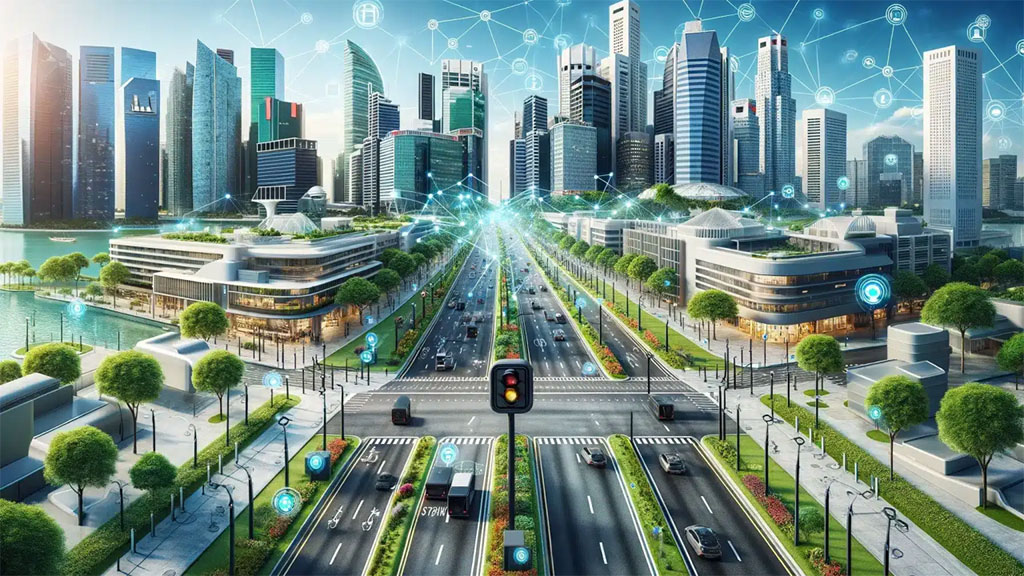
A smart city is an urban area that uses advanced technologies to collect and analyze data, improve infrastructure, and provide efficient services. These cities aim to create sustainable, resilient, and inclusive environments by integrating digital technologies into transportation, energy, healthcare, governance, and public services.
Key Features of a Smart City
- Connected Infrastructure: Sensors, IoT devices, and smart grids collect and transmit real-time data.
- Data-Driven Governance: Governments use analytics to make informed decisions and improve public services.
- Sustainability Focus: Smart cities emphasize energy efficiency, waste reduction, and low-carbon solutions.
- Citizen-Centric Services: Residents have access to apps, real-time updates, and digital platforms to interact with city services.
How Science and Technology Transform Urban Life
Scientific innovations provide the foundation for smart cities, making them more livable, efficient, and sustainable. The following areas illustrate how technology shapes modern urban life.
Smart Transportation Systems
Traffic congestion is a major challenge in cities. Smart transportation solutions use sensors, AI, and data analytics to optimize traffic flow and reduce travel time.
Example: Singapore’s Intelligent Transport System monitors traffic in real time, adjusting traffic signals and providing commuters with live traffic updates via mobile apps.
Benefits:
- Reduced congestion and travel time
- Lower vehicle emissions
- Improved public transport efficiency
Energy Management and Smart Grids
Smart grids integrate renewable energy sources, optimize electricity distribution, and detect faults in real time.
Example: Amsterdam uses a smart grid system that balances energy supply and demand, incorporates solar and wind power, and allows residents to monitor energy consumption.
Benefits:
- Reduced energy waste
- Lower electricity costs
- Increased adoption of renewable energy
Waste Management and Recycling
IoT-enabled waste bins and sensors monitor waste levels, optimizing collection routes and schedules.
Example: Barcelona implemented smart waste bins equipped with sensors, reducing collection costs by 20% and improving sanitation.
Benefits:
- Efficient waste collection
- Lower operational costs
- Reduced environmental pollution
Water Management
Smart water management systems use sensors and AI to monitor water quality, detect leaks, and manage consumption.
Example: Singapore’s PUB water network uses real-time sensors to monitor pipe pressure, detect leaks, and ensure clean water supply.
Benefits:
- Reduced water loss
- Improved quality control
- Conservation of water resources
Public Safety and Surveillance
AI-powered surveillance systems and predictive analytics enhance urban security by identifying threats and responding quickly to emergencies.
Example: Chicago’s Array of Things project uses sensors to monitor air quality, noise levels, and traffic patterns while contributing to public safety planning.
Benefits:
- Faster emergency response
- Crime reduction through predictive policing
- Safer urban environments
Healthcare and Telemedicine
Smart cities integrate healthcare services with digital technologies to provide better access and monitoring.
Example: Seoul offers AI-assisted telemedicine platforms that monitor patient health, schedule appointments, and provide emergency alerts.
Benefits:
- Improved healthcare accessibility
- Early detection of health issues
- Reduced pressure on hospitals
Environmental Monitoring
Sensors and IoT devices monitor pollution, greenhouse gas emissions, and urban heat islands.
Example: London uses smart sensors to track air quality and noise pollution, enabling policymakers to take corrective action.
Benefits:
- Improved air quality
- Healthier urban environments
- Data-driven sustainability initiatives
Examples of Smart Cities Around the World
Singapore
- Transportation: Intelligent transport systems optimize traffic and public transport.
- Water Management: Advanced leak detection and recycling programs ensure water sustainability.
- Energy: Smart grids integrate renewable energy and monitor consumption.
Barcelona, Spain
- Waste Management: Sensor-equipped bins optimize collection.
- Smart Lighting: LED streetlights adjust brightness based on activity, reducing energy use.
- Citizen Engagement: Mobile apps connect residents to city services.
Amsterdam, Netherlands
- Energy Management: Smart grids and renewable integration optimize electricity use.
- Mobility: IoT-enabled traffic and parking management reduce congestion.
- Environmental Monitoring: Real-time air quality tracking informs public health policies.
Songdo, South Korea
- Urban Planning: Built as a “smart city from scratch” with integrated IoT devices.
- Waste Management: Automated pneumatic waste collection reduces landfill use.
- Transportation: Smart traffic management reduces congestion and emissions.
Benefits of Smart Cities
Enhanced Quality of Life
Smart cities reduce commute times, provide cleaner environments, and improve public services, directly enhancing the daily lives of residents.
Sustainability and Environmental Protection
By integrating renewable energy, efficient waste management, and pollution monitoring, smart cities lower environmental impact and support climate goals.
Economic Growth
Smart cities attract investment, encourage innovation, and create jobs in tech, construction, and services.
Improved Safety and Security
AI and predictive analytics improve emergency response, reduce crime, and enhance public safety.
Data-Driven Governance
Real-time data collection allows governments to make informed decisions, plan infrastructure, and allocate resources efficiently.
Challenges of Implementing Smart Cities
While smart cities offer significant advantages, several challenges exist:
High Costs
Developing and maintaining smart infrastructure requires substantial investment.
Example: Building integrated smart grids, IoT networks, and AI platforms can cost billions in large urban areas.
Privacy and Data Security
Extensive data collection raises concerns about surveillance and misuse of personal information.
Example: Smart cameras, sensors, and apps must ensure compliance with data protection laws.
Technological Integration
Connecting diverse systems such as energy, transportation, and public services requires robust and interoperable platforms.
Example: Legacy infrastructure in older cities may not support advanced IoT solutions without costly upgrades.
Citizen Engagement
Residents must be informed, involved, and willing to adopt digital services for smart cities to succeed.
Example: Education campaigns and user-friendly apps encourage citizen participation in initiatives like smart waste management.
Cybersecurity Risks
Connected urban infrastructure is vulnerable to hacking, requiring strong cybersecurity measures.
Example: Smart grids and transportation networks must be protected from cyberattacks that could disrupt city services.
Future of Smart Cities
The future of smart cities will be shaped by technological innovation, sustainability priorities, and citizen participation. Emerging trends include:
AI-Powered Urban Planning
Artificial intelligence will optimize urban design, traffic management, and energy consumption based on predictive modeling.
Example: AI algorithms can simulate traffic patterns to redesign road networks for efficiency.
Autonomous Vehicles
Self-driving cars and buses integrated into smart traffic systems will reduce congestion and improve road safety.
Example: Pilot programs in cities like Phoenix and Singapore are testing autonomous public transport systems.
Renewable Energy Integration
Smart cities will increasingly rely on solar, wind, and energy storage solutions to power urban infrastructure sustainably.
Example: Solar-powered streetlights and microgrids are becoming standard in new urban developments.
Digital Twin Technology
Digital twins—virtual replicas of cities—will allow planners to test policies, infrastructure changes, and emergency responses in real time.
Example: Singapore uses a 3D digital twin of the city to simulate flooding and urban development scenarios.
Citizen-Centric Smart Services
Mobile apps and digital platforms will enable residents to participate in governance, report issues, and access services seamlessly.
Example: Helsinki’s Whim app provides multimodal transportation options, reducing reliance on private vehicles.
Frequently Asked Questions About Smart Cities
What is the main goal of a smart city?
The main goal is to improve the quality of urban life by using technology to optimize services, enhance sustainability, and increase efficiency.
Are smart cities only for wealthy countries?
No. While wealthier countries have more resources for implementation, emerging economies are adopting smart city solutions tailored to their budgets and needs.
How does IoT improve city life?
IoT devices collect real-time data that help manage traffic, energy, water, waste, and public safety efficiently.
Are smart cities safe regarding privacy?
Privacy depends on regulations, data management policies, and technology safeguards. Proper encryption and legal compliance are essential.
Can smart cities help combat climate change?
Yes. By integrating renewable energy, reducing emissions, monitoring pollution, and promoting sustainable transportation, smart cities actively contribute to climate goals.
Conclusion
Smart cities represent the intersection of science, technology, and urban living. By leveraging AI, IoT, big data, and renewable energy, these cities are transforming how residents interact with their environment, services, and each other. From efficient transportation and sustainable energy to waste management and public safety, smart cities enhance quality of life while promoting environmental sustainability.
Despite challenges such as high costs, cybersecurity risks, and privacy concerns, ongoing innovation and citizen engagement are driving the global adoption of smart city technologies. As more cities embrace digital transformation, urban life will become smarter, more efficient, and more resilient, paving the way for a sustainable and technologically advanced future.
Smart cities are not just a vision—they are actively shaping the future of urban living, making science and technology the backbone of smarter, healthier, and more sustainable communities.