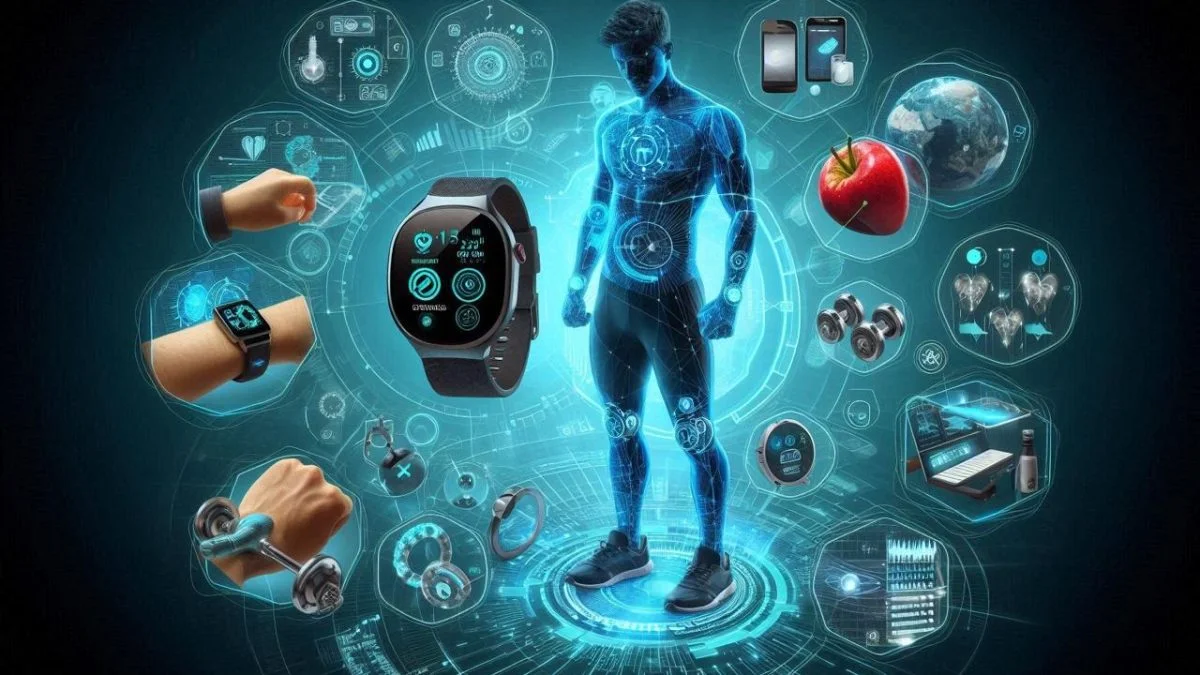
Latest Wearable Tech and Health Gadgets Explained. In recent years, wearable technology and health gadgets have moved from novelty items to essential tools for managing wellness, fitness, and daily life. These devices combine sensors, wireless connectivity, and AI-driven analytics to provide real-time insights into physical activity, sleep patterns, heart health, and more. As technology continues to evolve, wearable devices are becoming smarter, more accurate, and increasingly integrated with healthcare systems.
This article explains the latest wearable tech and health gadgets, their applications, benefits, examples, and frequently asked questions, offering a detailed guide for anyone looking to understand the modern wearable landscape.
What Are Wearable Technologies and Health Gadgets?
Wearable technology refers to electronic devices designed to be worn on the body, often integrating sensors and software to track data. Health gadgets focus specifically on monitoring and managing physical well-being. Together, these devices offer a powerful combination of convenience, personalization, and real-time feedback.
Key Features of Wearable Health Devices
- Real-time Monitoring: Continuous tracking of heart rate, steps, sleep, and other metrics.
- Connectivity: Devices sync with smartphones or cloud platforms for data storage and analysis.
- Personalized Insights: AI algorithms provide actionable recommendations based on individual data.
- Alerts and Notifications: Devices can warn users about irregular heart rates, sedentary behavior, or sleep issues.
Types of Wearable Tech and Health Gadgets
Wearable technologies span several categories, each serving a unique purpose in health and fitness management.
Smartwatches
Smartwatches are multifunctional devices that track fitness metrics, monitor health, and provide notifications.
Example: The Apple Watch Series 9 features ECG monitoring, blood oxygen tracking, fall detection, and activity tracking.
Benefits:
- Tracks heart rate and activity levels
- Provides medication reminders and health alerts
- Integrates with health apps for analytics
Fitness Trackers
Fitness trackers are designed primarily for physical activity monitoring, focusing on steps, calories burned, and exercise patterns.
Example: Fitbit Charge 6 measures steps, heart rate, sleep stages, and provides personalized fitness insights.
Benefits:
- Encourages active lifestyles
- Tracks progress over time
- Provides motivational goals and challenges
Smart Rings
Smart rings offer discreet health monitoring, including sleep, heart rate, and activity tracking.
Example: Oura Ring Gen 3 tracks sleep quality, body temperature, heart rate variability, and activity levels.
Benefits:
- Lightweight and non-intrusive
- Continuous health tracking
- Sleep and recovery analysis
Wearable ECG Monitors
These devices focus on heart health, detecting arrhythmias and other cardiac issues in real time.
Example: KardiaMobile by AliveCor is a portable ECG device that connects to smartphones to record ECG readings and detect atrial fibrillation.
Benefits:
- Early detection of heart conditions
- Portable and easy to use
- Data can be shared with doctors for remote monitoring
Smart Glasses and AR Devices
Augmented reality (AR) glasses can provide health-related applications, such as posture correction or visual rehabilitation.
Example: Vuzix AR smart glasses can provide real-time guidance for physical therapy exercises or ergonomic corrections.
Benefits:
- Assists in therapy and rehabilitation
- Provides visual alerts and notifications
- Integrates with other health platforms
Wearable Blood Pressure Monitors
These devices continuously monitor blood pressure, offering insights for hypertension management.
Example: Omron HeartGuide is a wearable blood pressure monitor integrated into a smartwatch format.
Benefits:
- Tracks blood pressure trends
- Provides alerts for abnormal readings
- Facilitates remote healthcare management
Sleep Trackers
Sleep-focused wearables monitor sleep stages, duration, and quality, providing insights for better rest.
Example: Withings Sleep Analyzer is a mat placed under the mattress to monitor sleep cycles, heart rate, and snoring patterns.
Benefits:
- Detects sleep disturbances and apnea
- Offers sleep improvement recommendations
- Tracks long-term sleep patterns
How Wearable Tech Improves Health
Wearable devices have become more than gadgets—they actively influence health management and lifestyle improvement.
Early Disease Detection
Wearables can alert users to abnormalities such as irregular heart rates, low oxygen saturation, or abnormal sleep patterns.
Example: Apple Watch’s irregular rhythm notifications have helped detect atrial fibrillation in asymptomatic users, leading to early medical intervention.
Fitness and Weight Management
By tracking physical activity, calories burned, and exercise intensity, wearable devices support personalized fitness programs.
Example: Fitbit’s guided workouts and step tracking help users reach fitness milestones and stay motivated.
Sleep and Recovery Optimization
Sleep trackers monitor deep, light, and REM sleep stages, offering insights to improve rest and recovery.
Example: Oura Ring provides nightly readiness scores, helping users balance activity and rest.
Chronic Disease Management
Wearables assist in managing chronic conditions like diabetes, hypertension, and heart disease by continuously monitoring relevant biomarkers.
Example: Continuous glucose monitors (CGMs) like Dexcom G6 allow diabetics to track blood sugar in real time and adjust insulin dosage accordingly.
Mental Health Monitoring
Some devices track stress levels and suggest mindfulness or breathing exercises to reduce anxiety.
Example: Garmin smartwatches offer stress tracking and guided breathing exercises based on heart rate variability.
Examples of Innovative Wearable Health Gadgets
Biostrap
Biostrap is a wearable that tracks heart rate, oxygen saturation, and sleep patterns with clinical-grade accuracy. It provides detailed analytics for recovery and fitness optimization.
Whoop Strap
Whoop Strap focuses on athletic performance, offering recovery scores, strain tracking, and sleep analytics. It is widely used by professional athletes.
Withings ScanWatch
ScanWatch combines ECG, heart rate, and blood oxygen monitoring, bridging the gap between consumer wearables and clinical devices.
Garmin Vivosmart 5
A versatile fitness tracker, the Vivosmart 5 monitors steps, stress, sleep, and energy levels, offering personalized health recommendations.
Sensoria Smart Socks
Smart socks with embedded sensors monitor gait, foot pressure, and activity, ideal for runners and rehabilitation patients.
Benefits of Wearable Tech and Health Gadgets
Real-Time Monitoring
Immediate feedback on vital signs allows for proactive health management and timely interventions.
Personalized Insights
AI-driven analysis provides individualized recommendations for fitness, sleep, and recovery.
Remote Healthcare
Wearables enable telemedicine and remote patient monitoring, reducing the need for in-person visits.
Motivation and Accountability
Gamification and goal-setting features encourage users to maintain healthy lifestyles.
Integration with Health Ecosystems
Data collected by wearables can sync with apps, health portals, and electronic medical records for comprehensive care.
Challenges and Limitations
While wearable tech offers significant advantages, there are challenges to consider:
Accuracy and Reliability
Some devices may have limitations in sensor accuracy, particularly for medical-grade monitoring.
Example: Wrist-based blood pressure monitors may differ slightly from clinical readings.
Privacy and Data Security
Wearables collect sensitive personal health data, which must be protected against breaches and misuse.
Example: Devices like smartwatches and fitness trackers must comply with GDPR and HIPAA standards.
Battery Life
Continuous monitoring requires frequent charging, which can be inconvenient for users.
Example: Advanced smartwatches with ECG and SpO2 tracking may last 1–3 days per charge.
Cost
High-quality wearables can be expensive, limiting accessibility for some users.
Example: Devices like the Oura Ring or Apple Watch can cost several hundred dollars.
User Adoption
Some users may struggle with technology, device setup, or understanding data analytics.
Example: Elderly users may need simplified interfaces and guidance for effective use.
Future Trends in Wearable Technology
The next generation of wearables promises to be more integrated, precise, and predictive.
Continuous Glucose Monitors
Advanced CGMs will provide near-real-time insights for diabetic management with seamless smartphone integration.
AI-Powered Health Insights
Wearables will use AI to predict health risks before symptoms appear, allowing preventive interventions.
Advanced Biometric Sensors
Future devices will monitor hydration, stress hormones, and even early signs of infection or disease.
Integration with Telemedicine
Wearables will enable full remote health monitoring, with data shared directly with doctors for diagnosis and treatment.
Smart Clothing and Accessories
Clothing embedded with sensors will track posture, heart rate, and activity while being lightweight and comfortable.
Frequently Asked Questions About Wearable Health Tech
What is the difference between fitness trackers and smartwatches?
Fitness trackers primarily focus on physical activity and health metrics, while smartwatches combine these features with apps, notifications, and broader connectivity.
Can wearables detect serious health conditions?
Some wearables, such as ECG-enabled smartwatches and blood oxygen monitors, can detect signs of arrhythmias or sleep apnea, but they are not substitutes for professional medical diagnostics.
Are wearable health gadgets accurate?
Accuracy varies by device and measurement type. Medical-grade devices offer higher precision, while consumer-grade wearables are sufficient for general wellness tracking.
How often should wearable devices be charged?
Battery life varies from one to seven days, depending on the device and features. ECG and SpO2 tracking tend to consume more power.
Can wearable technology replace doctors?
Wearables support health monitoring and preventive care, but cannot replace professional medical advice or diagnosis. They work best as complementary tools for healthcare management.
Conclusion
Wearable technology and health gadgets are revolutionizing the way we monitor and manage personal wellness. From smartwatches and fitness trackers to smart rings and ECG monitors, these devices provide real-time insights into heart health, activity, sleep, and chronic disease management. By empowering users with data, AI-driven recommendations, and integration with telemedicine, wearables are transforming healthcare into a more proactive and personalized experience.
Despite challenges such as accuracy, data privacy, and cost, ongoing innovation promises smarter, more reliable, and accessible wearables. As these devices continue to evolve, they will play an increasingly vital role in health monitoring, disease prevention, and overall quality of life. The future of wearable tech is not just about counting steps—it is about creating healthier, longer, and more informed lives for everyone.