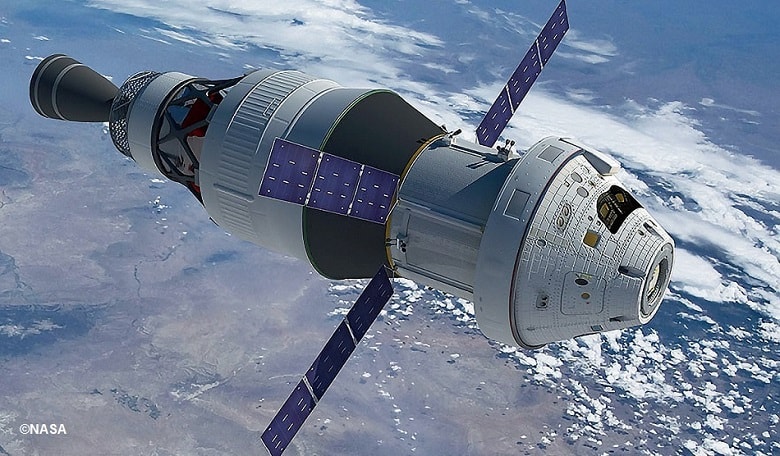
How Space Exploration Impacts Modern Technology. Space exploration has long captured human imagination, from the first satellite launches to manned missions to the Moon and the rise of private space companies. Beyond the thrill of discovery, space exploration has profoundly influenced modern technology, often in unexpected ways. Technologies developed for the harsh environment of space have filtered down to everyday life, transforming medicine, transportation, communication, and even household gadgets.
This article explores how space exploration impacts modern technology, providing examples, highlighting benefits, and answering common questions about the influence of space science on everyday life.
The Connection Between Space Exploration and Technology
Space exploration drives the development of new technologies because space presents extreme challenges: zero gravity, vacuum conditions, radiation, and limited resources. Engineers and scientists must innovate to solve these problems, and many of these solutions find applications on Earth.
Key Areas of Technological Influence
- Materials Science: Lightweight, heat-resistant materials for spacecraft
- Communications: Advanced satellite and data transmission technologies
- Computing: High-performance, compact computing systems
- Medical Technology: Innovations in health monitoring and diagnostics
- Environmental Technology: Efficient energy and water systems
Satellite Technology and Communication
Satellites are the most visible technological achievement of space exploration. Their applications extend far beyond astronomy and space observation.
Global Communication Networks
Satellites enable real-time global communication, internet connectivity, and GPS navigation.
Example: The Iridium satellite constellation provides satellite phone coverage worldwide, even in remote locations.
Benefits:
- Reliable international communication
- Emergency services connectivity in remote areas
- Real-time weather and disaster monitoring
GPS and Navigation Systems
GPS, originally developed for military space applications, has become essential for transportation, logistics, and everyday navigation.
Example: Google Maps and Waze rely on GPS data for route planning, traffic updates, and location tracking.
Benefits:
- Efficient navigation and travel planning
- Fleet management and logistics optimization
- Enhanced safety in the aviation and maritime industries
Earth Observation and Environmental Monitoring
Satellites help monitor climate change, deforestation, natural disasters, and urban development.
Example: NASA’s Landsat program provides high-resolution imagery to track changes in ecosystems and land use.
Benefits:
- Early warning for natural disasters
- Environmental conservation and monitoring
- Support for sustainable agriculture and urban planning
Advances in Materials and Engineering
Space exploration has accelerated the development of advanced materials that are now used in everyday technology.
Lightweight and Heat-Resistant Materials
Spacecraft require materials that withstand extreme temperatures while remaining lightweight. These innovations have found applications in aviation, automotive, and construction industries.
Example: Carbon fiber composites developed for spacecraft are now used in sports equipment, aircraft, and high-performance vehicles.
Benefits:
- Enhanced durability and performance of materials
- Reduced energy consumption due to lightweight construction
- Increased safety and reliability in transportation
Memory Foam and Shock Absorption
Originally developed for NASA to protect astronauts during launch, memory foam has become widely used in mattresses, cushions, and protective equipment.
Example: Memory foam mattresses and helmets provide comfort and impact protection in everyday life.
Benefits:
- Improved sleep quality and ergonomic support
- Enhanced safety in sports and transportation
- Comfortable seating and cushioning solutions
Insulation and Thermal Protection
Thermal insulation technologies for spacecraft help regulate temperature in extreme conditions. These materials are now used in homes, electronics, and industrial applications.
Example: Aerogel, an ultra-lightweight material used in space missions, is now employed in building insulation and protective clothing.
Benefits:
- Energy-efficient buildings
- Improved temperature control in electronics
- Lightweight, durable protective gear
Computing and Data Processing
Space missions require compact, powerful computing systems that operate reliably in extreme conditions. These innovations have influenced computing technology on Earth.
Miniaturization and Robust Electronics
Miniaturized electronics developed for spacecraft have contributed to the development of smartphones, laptops, and wearable devices.
Example: NASA’s Mars rovers rely on compact, high-performance computers to navigate and collect data autonomously.
Benefits:
- Smaller, more efficient consumer electronics
- Reliable performance in harsh environments
- Enhanced computational power in portable devices
High-Performance Data Analysis
Space missions generate massive amounts of data, driving advances in data processing, machine learning, and predictive algorithms.
Example: AI-powered image recognition used in space telescopes is now applied in medical diagnostics, traffic monitoring, and industrial automation.
Benefits:
- Faster and more accurate data analysis
- Improved decision-making in healthcare and industry
- Efficient automation and predictive systems
Cloud Computing and Remote Access
Satellite communications and mission control systems have influenced cloud computing technologies, enabling real-time data access and remote monitoring.
Example: Space-based satellite networks support cloud services and remote data processing for global users.
Benefits:
- Accessible data storage and processing
- Remote monitoring for health, security, and infrastructure
- Scalability for global applications
Medical Innovations from Space Research
Space exploration has contributed significantly to medical technology and healthcare.
Telemedicine and Remote Monitoring
NASA developed telemedicine systems for astronauts, enabling remote health monitoring and diagnosis in space. These technologies are now used on Earth for remote patient care.
Example: Telemedicine platforms in rural areas allow doctors to monitor patients’ vital signs and provide treatment without in-person visits.
Benefits:
- Improved access to healthcare in remote regions
- Continuous health monitoring for chronic conditions
- Early detection of medical issues
Imaging and Diagnostic Tools
Technologies developed for monitoring astronauts’ health have influenced diagnostic imaging equipment.
Example: CT scans and MRI machines use imaging and data processing techniques inspired by space medical research.
Benefits:
- Enhanced accuracy in diagnosis
- Improved imaging technology for medical professionals
- Reduced risks and more personalized treatment plans
Materials for Prosthetics and Implants
Advanced materials developed for spacecraft and space suits are now used in prosthetics, surgical implants, and orthopedic devices.
Example: Lightweight titanium alloys and composite materials provide durable and biocompatible implants for patients.
Benefits:
- Increased durability and comfort of medical implants
- Better patient recovery outcomes
- Reduced risk of implant rejection
Transportation and Automotive Applications
Space exploration has indirectly influenced the development of modern transportation technologies.
Navigation Systems in Vehicles
GPS and satellite communications are now standard in cars, ships, and airplanes.
Example: Tesla vehicles integrate GPS for navigation and autonomous driving features.
Benefits:
- Safer and more efficient travel
- Real-time traffic updates and route optimization
- Enhanced logistics and fleet management
Fuel Efficiency and Materials
Lightweight materials and aerodynamic designs developed for spacecraft contribute to fuel-efficient vehicles.
Example: Carbon-fiber components in high-performance cars and commercial airplanes reduce weight and improve efficiency.
Benefits:
- Reduced fuel consumption
- Lower environmental impact
- Improved vehicle performance and safety
Advanced Sensors and Safety Systems
Sensors developed for space exploration have been adapted for automotive safety systems, including collision detection and lane departure alerts.
Example: Radar and LiDAR systems in self-driving cars borrow technology from space-based object detection.
Benefits:
- Enhanced vehicle safety
- Advanced driver-assistance systems
- Steps toward fully autonomous vehicles
Everyday Consumer Products Influenced by Space Tech
Space research has led to the development of numerous consumer products that we use daily.
Scratch-Resistant Lenses
Coatings developed to protect spacecraft instruments are now used in eyeglasses, sunglasses, and camera lenses.
Example: Anti-reflective and scratch-resistant coatings on glasses improve durability and visual clarity.
Benefits:
- Increased product longevity
- Enhanced user comfort
- Better performance in everyday use
Freeze-Dried Foods
Food preservation techniques for long-duration space missions have influenced packaged foods on Earth.
Example: Freeze-dried coffee, fruits, and instant meals retain nutrients and flavor while being easy to store and transport.
Benefits:
- Extended shelf life for food products
- Convenience for travel and emergencies
- Nutrient preservation
Memory Foam Products
Memory foam, originally developed for astronauts’ seat cushioning, is now widely used in mattresses, pillows, and protective gear.
Example: Memory foam mattresses provide ergonomic support for better sleep quality.
Benefits:
- Improved comfort and support
- Reduced pressure points
- Safer protective equipment
Benefits of Space Technology for Modern Life
Enhanced Scientific Understanding
Space exploration has expanded our knowledge of physics, biology, and environmental science.
Economic Growth and Innovation
Spin-off technologies from space missions create industries, jobs, and new markets.
Environmental Monitoring and Sustainability
Space-based sensors track climate change, pollution, and natural resource use.
Improved Health and Safety
Medical and materials innovations improve patient care, safety equipment, and lifestyle products.
Everyday Convenience
Technologies developed for astronauts now make everyday life safer, more efficient, and more comfortable.
Challenges and Considerations
While space exploration drives technological innovation, there are challenges:
High Cost
Space missions are expensive, requiring significant government or private investment.
Technological Complexity
Developing systems for extreme space conditions is highly complex and requires cutting-edge engineering.
Ethical Considerations
Applications of space technology must balance privacy, security, and environmental impact.
Accessibility
Not all space-derived technologies are affordable or available to the general population initially.
Frequently Asked Questions About Space Technology
How does space exploration benefit everyday life?
Space exploration drives innovations in communication, healthcare, materials, transportation, and consumer products that improve quality of life.
Are GPS and satellites derived from space research?
Yes, GPS and satellite communications were originally developed for space and defense applications.
Can space technologies improve healthcare?
Absolutely. Remote monitoring, imaging, materials, and telemedicine systems were influenced by space research.
Do space technologies impact environmental monitoring?
Yes. Satellites provide real-time data on climate change, natural disasters, and pollution management.
What are some common consumer products influenced by space tech?
Memory foam, scratch-resistant lenses, freeze-dried foods, and advanced materials in vehicles all have roots in space research.
Conclusion
Space exploration is much more than a quest to discover distant worlds; it is a powerful driver of technological progress that touches nearly every aspect of modern life. From GPS navigation and satellite communications to medical innovations, consumer products, and transportation, the technologies developed for space missions have been adapted to improve safety, efficiency, and convenience on Earth.
While challenges such as high costs, complexity, and accessibility remain, the impact of space exploration on modern technology is undeniable. By pushing the boundaries of human knowledge and engineering, space missions continue to provide innovations that benefit society, the economy, healthcare, and the environment.
The next time you use GPS, sleep on a memory foam mattress, or enjoy freeze-dried foods, remember that these conveniences are part of humanity’s journey into space—a journey that continues to shape the future of technology and everyday life.