How Renewable Energy Technologies Are Shaping Our Future. As the world faces the dual challenges of climate change and growing energy demand, renewable energy technologies are emerging as a cornerstone of a sustainable future. Unlike fossil fuels, renewable energy sources such as solar, wind, hydro, and geothermal power provide cleaner alternatives that reduce greenhouse gas emissions and support energy security. Beyond environmental benefits, these technologies are reshaping economies, transforming industries, and creating opportunities for innovation.
This article explores how renewable energy technologies are shaping our future, with real-world examples, benefits, challenges, and frequently asked questions.
Understanding Renewable Energy
Renewable energy is derived from natural sources that are replenished over time, including sunlight, wind, water, and geothermal heat. Unlike nonrenewable sources such as coal, oil, and natural gas, renewables do not deplete finite resources and produce minimal environmental pollution.
Types of Renewable Energy
Solar Energy
Solar energy harnesses sunlight through photovoltaic cells or solar thermal systems to generate electricity or heat.
Wind Energy
Wind energy uses turbines to convert kinetic energy from wind into electricity.
Hydropower
Hydropower captures the energy of flowing water in rivers or dams to produce electricity.
Geothermal Energy
Geothermal energy uses heat from the Earth’s core to generate electricity or provide heating.
Biomass Energy
Biomass energy converts organic materials such as plant waste, wood, or agricultural residue into heat, electricity, or biofuels.
How Renewable Energy Technologies Are Transforming the World
Renewable energy technologies are not just alternatives—they are catalysts for global transformation. They influence energy production, environmental conservation, economic growth, and technological innovation.
Reducing Greenhouse Gas Emissions
By replacing fossil fuels, renewables significantly cut carbon emissions, mitigating climate change.
Example: Denmark generates over 50% of its electricity from wind, drastically reducing its carbon footprint and serving as a global renewable energy leader.
Improving Energy Security
Renewable energy reduces dependence on imported fuels, making nations more self-reliant and resilient against energy crises.
Example: Germany’s Energiewende initiative focuses on transitioning to renewables to achieve energy independence.
Driving Economic Growth
The renewable energy sector creates jobs in manufacturing, installation, maintenance, and research, fostering economic development.
Example: In 2021, the global solar industry employed over 4 million people, demonstrating renewables’ potential to generate employment.
Advancing Technological Innovation
Renewable energy drives innovation in energy storage, smart grids, and efficiency technologies.
Example: Tesla’s Powerwall and utility-scale battery storage systems enhance the reliability of solar and wind power.
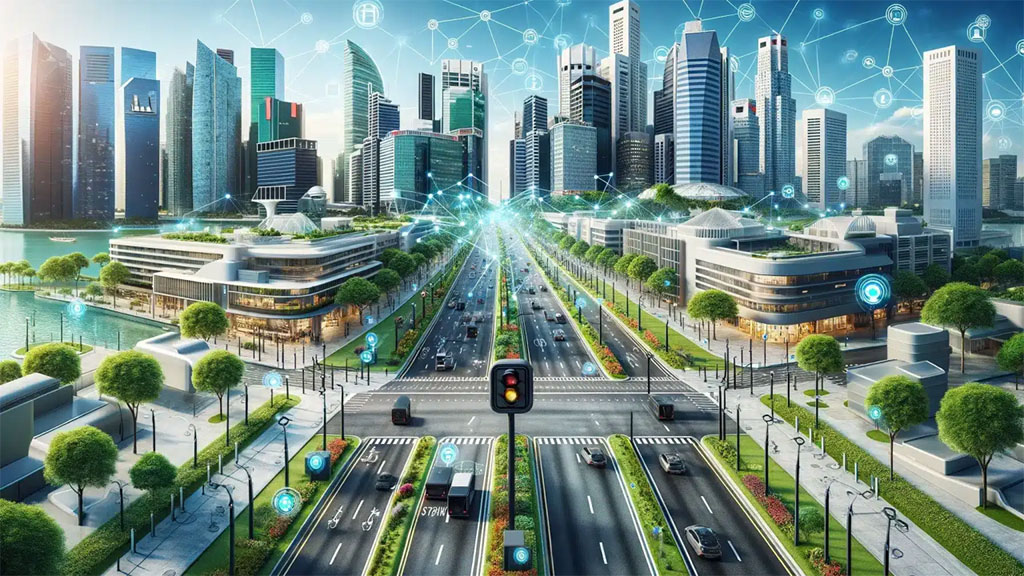
Promoting Sustainable Urban Development
Integrating renewable energy in buildings and cities reduces environmental impact and supports sustainable urban planning.
Example: Masdar City in the UAE utilizes solar and wind energy, aiming to be one of the world’s most sustainable urban developments.
Examples of Renewable Energy Technologies
Solar Energy Technologies
Solar energy can be deployed in residential, commercial, and industrial settings.
- Photovoltaic (PV) Panels: Convert sunlight directly into electricity and are widely used for rooftops and solar farms.
- Solar Thermal Systems: Capture heat from the sun for water heating or industrial processes.
Example: The Kamuthi Solar Power Project in India generates 648 MW, supplying electricity to over 150,000 homes.
Wind Energy Technologies
Wind turbines convert wind energy into electricity.
- Onshore Wind Farms: Installed on land and widely deployed in windy regions.
- Offshore Wind Farms: Installed in oceans and seas, benefiting from stronger and consistent winds.
Example: The Hornsea One offshore wind farm in the UK produces 1.2 GW, powering over one million homes.
Hydropower Technologies
Hydropower harnesses flowing water to generate electricity.
- Run-of-River Systems: Utilize natural river flow without large dams.
- Reservoir Systems: Store water behind a dam to release when electricity is needed.
Example: The Three Gorges Dam in China is the world’s largest hydropower facility, generating over 22,000 MW.
Geothermal Energy Technologies
Geothermal energy captures heat from underground reservoirs.
- Flash Steam Plants: Convert high-pressure hot water to steam to drive turbines.
- Binary Cycle Plants: Use lower temperature water by transferring heat to a secondary fluid for electricity generation.
Example: The Geysers in California is the largest geothermal power complex in the world, producing 1,500 MW.
Biomass Energy Technologies
Biomass energy converts organic material into heat, electricity, or biofuels.
- Biogas Plants: Produce methane from organic waste for cooking or electricity.
- Biofuel Production: Converts crops like corn or sugarcane into ethanol or biodiesel.
Example: Brazil’s ethanol program converts sugarcane into fuel, providing a renewable energy alternative for transportation.
Benefits of Renewable Energy Technologies
Environmental Benefits
Renewable energy reduces carbon emissions, air pollution, and environmental degradation.
Economic Benefits
Job creation, energy independence, and investment opportunities in green technologies stimulate economic growth.
Health Benefits
Reducing air pollution from fossil fuels decreases respiratory and cardiovascular diseases.
Energy Access
Renewables can be deployed in remote areas without reliance on centralized power grids, providing electricity to underserved communities.
Resilience and Reliability
Energy storage technologies and decentralized renewable systems increase resilience against natural disasters and grid failures.
Challenges and Limitations
While renewable energy offers transformative benefits, it also faces certain challenges:
Intermittency
Solar and wind power depend on weather conditions, requiring energy storage or backup systems for reliability.
Example: Cloudy days reduce solar output, while calm days reduce wind power generation.
High Initial Costs
Although operational costs are low, the installation of renewable energy systems can be expensive.
Example: Utility-scale solar and offshore wind projects require substantial upfront investment.
Land and Resource Use
Large-scale renewable projects may require significant land or water resources, impacting ecosystems.
Example: Hydropower dams can disrupt river habitats and affect local communities.
Technological and Infrastructure Barriers
Integrating renewables into existing power grids requires advanced infrastructure and grid modernization.
Example: Smart grids and energy storage systems are essential to manage fluctuating renewable energy supply.
Policy and Regulatory Challenges
Supportive policies and incentives are crucial to drive renewable energy adoption.
Example: Countries with stable renewable energy policies, like Germany, have seen faster adoption rates.
Future of Renewable Energy
The future of renewable energy is promising, with advancements making it more efficient, affordable, and integrated into daily life.
Energy Storage Innovations
Battery technologies and other energy storage systems enable the efficient use of renewable energy even when natural conditions are unfavorable.
Example: Tesla Megapack and other large-scale batteries support grid stability for solar and wind power.
Smart Grids and IoT Integration
Smart grids use sensors, IoT devices, and AI to optimize energy distribution, reduce waste, and predict demand.
Example: South Korea’s smart grid pilot projects improve energy efficiency and integrate renewable sources.
Offshore Wind and Floating Solar
Next-generation offshore wind farms and floating solar panels expand renewable energy potential in coastal and water-scarce areas.
Example: Japan is investing in floating solar farms to maximize land use efficiency.
Hydrogen Energy
Green hydrogen produced using renewable energy can serve as a clean fuel for transport and industrial processes.
Example: The Netherlands is developing hydrogen-powered trains and industrial applications to reduce emissions.
Global Collaboration
International cooperation on technology, financing, and policy frameworks is essential to accelerate renewable energy adoption worldwide.
Example: The International Renewable Energy Agency (IRENA) supports global renewable energy development and knowledge sharing.
Frequently Asked Questions About Renewable Energy
What are the main types of renewable energy?
The main types include solar, wind, hydropower, geothermal, and biomass energy.
How does renewable energy impact climate change?
By replacing fossil fuels, renewable energy reduces greenhouse gas emissions, helping to mitigate global warming.
Are renewable energy technologies expensive?
Initial installation costs can be high, but long-term savings on fuel and operational costs often make them cost-effective.
Can renewables replace fossil fuels completely?
While renewables can meet a significant portion of energy demand, achieving a fully fossil-free energy system requires advances in storage, grid integration, and energy efficiency.
What is the future potential of renewable energy?
With ongoing innovation in storage, smart grids, hydrogen, and offshore technologies, renewables are poised to become the backbone of global energy systems.
Conclusion
Renewable energy technologies are not just alternatives to fossil fuels—they are shaping the future of energy, economies, and societies. By reducing environmental impact, improving energy security, fostering innovation, and creating economic opportunities, renewables play a crucial role in building a sustainable world.
While challenges such as intermittency, high initial costs, and infrastructure needs remain, advances in energy storage, smart grids, and hydrogen technology are making renewable energy more reliable and accessible.
As countries, businesses, and individuals continue to adopt renewable energy solutions, the transition toward a cleaner, greener, and more resilient future becomes increasingly possible. Renewable energy is not only an environmental imperative—it is a path toward a sustainable, prosperous, and technologically advanced world for generations to come.