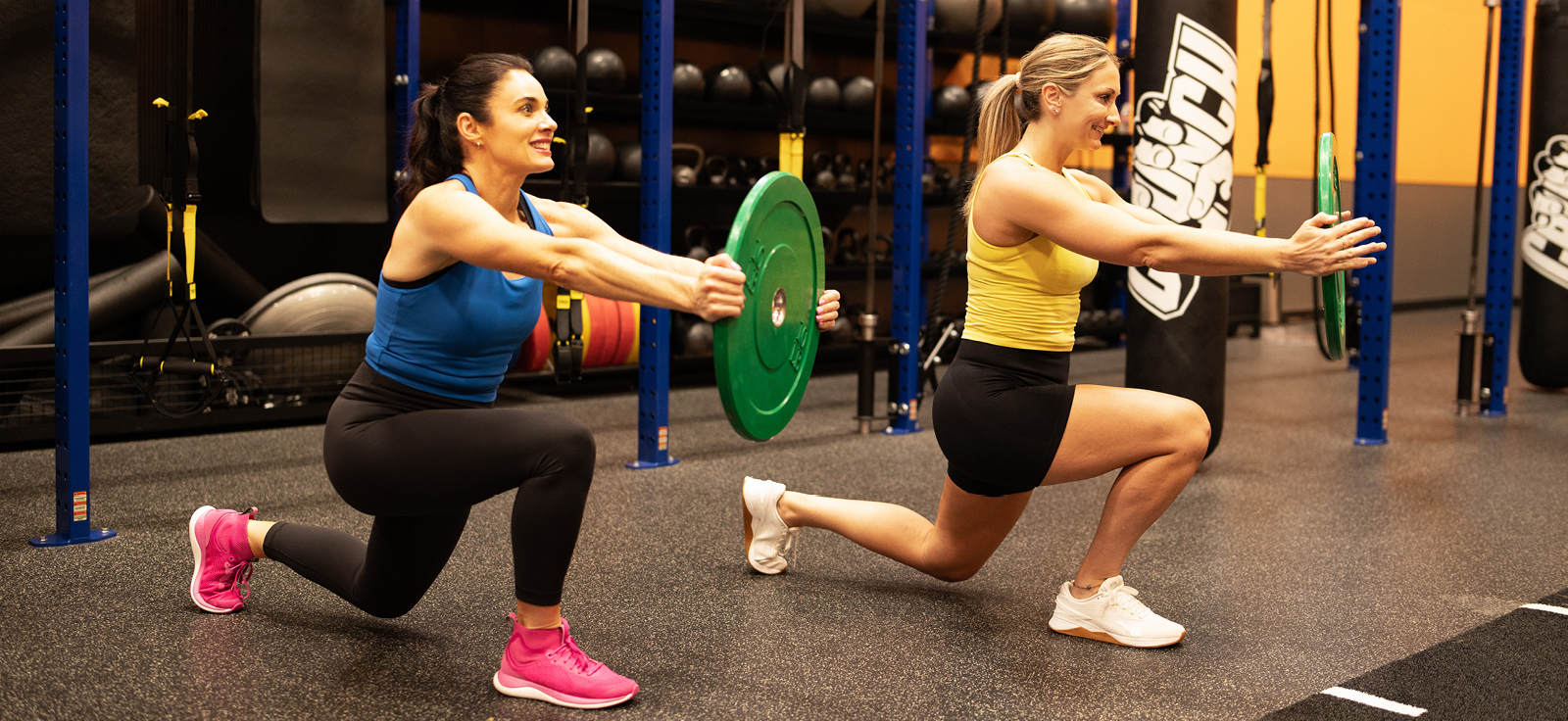
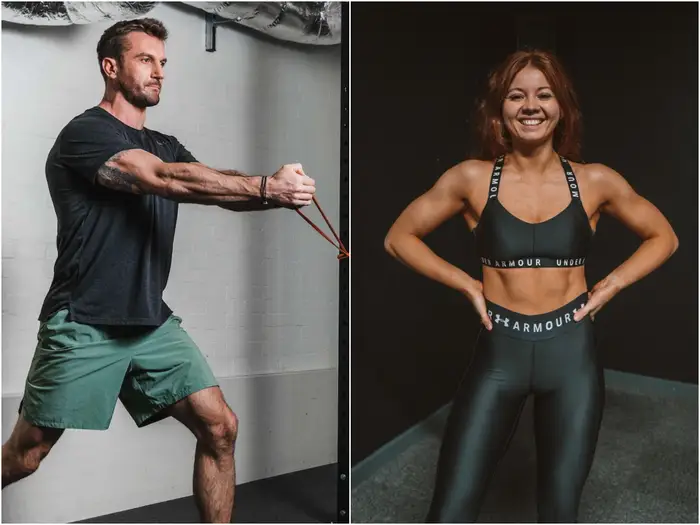
Low-Impact Exercises for Joint Health and Recovery. Maintaining joint health is essential for long-term mobility, overall fitness, and injury prevention. High-impact exercises, while effective for cardiovascular fitness and strength, can place significant stress on the joints, especially for older adults, individuals with arthritis, or those recovering from injury. Low-impact exercises, on the other hand, allow you to stay active, strengthen muscles, and improve flexibility without putting excessive strain on your joints.
This comprehensive guide explores low-impact exercises for joint health and recovery, provides examples of safe workouts, outlines benefits, and answers frequently asked questions to help you stay active safely.
Understanding Low-Impact Exercises
What Are Low-Impact Exercises?
Low-impact exercises are movements where at least one foot remains in contact with the ground or movements that minimize stress on the joints. Unlike running or jumping, these exercises reduce repetitive stress on the knees, hips, and ankles while still offering cardiovascular and strength benefits.
Benefits of Low-Impact Workouts
- Improves joint mobility and flexibility
- Reduces risk of injury and joint pain
- Supports rehabilitation and recovery from injury
- Enhances cardiovascular health
- Builds strength without overloading joints
Who Can Benefit from Low-Impact Exercises?
Low-impact exercises are suitable for a wide range of individuals:
- Older adults seeking joint-friendly workouts
- People recovering from surgery or injury
- Individuals with arthritis or chronic joint pain
- Beginners who are new to fitness
- Anyone looking for low-stress cardio or strength training options
Key Principles for Joint-Friendly Workouts
When performing low-impact exercises, keep the following principles in mind:
- Maintain Proper Form: Ensure your movements are controlled to reduce joint stress.
- Engage Muscles, Not Joints: Focus on strengthening the muscles around the joints for added support.
- Warm-Up and Cool-Down: Prepare your joints and muscles for activity and reduce soreness afterward.
- Progress Gradually: Start with shorter sessions and low intensity, gradually increasing as your joints adapt.
- Listen to Your Body: Stop if you experience pain beyond normal discomfort and consult a professional if necessary.
Low-Impact Cardiovascular Exercises
Cardio exercise is important for heart health, circulation, and weight management, but it doesn’t have to be high-impact.
1. Walking
- Benefits: Improves circulation, strengthens leg muscles, and promotes joint mobility
- Tips: Use supportive shoes, walk on flat surfaces or trails with soft terrain
- Example Routine: 30–45 minutes brisk walking, 5 days per week
2. Cycling
- Benefits: Strengthens quadriceps, hamstrings, and glutes while reducing knee stress
- Options: Stationary bike for home use or outdoor cycling
- Tips: Adjust seat height to avoid knee strain and maintain a comfortable cadence
3. Swimming and Water Aerobics
- Benefits: Supports the body in water, reducing load on joints while providing full-body resistance
- Tips: Use gentle strokes like breaststroke or backstroke; try water walking or aqua aerobics classes
- Example Routine: 20 minutes water walking + 20 minutes swimming laps
4. Elliptical Trainer
- Benefits: Mimics running motion with reduced impact on knees and hips
- Tips: Use proper posture, keep your shoulders relaxed, and maintain a steady pace
5. Rowing
- Benefits: Engages the upper and lower body without jarring joints
- Tips: Focus on smooth, controlled strokes and avoid overextending the back
Low-Impact Strength Training
Strengthening muscles around your joints enhances stability and reduces the risk of injury.
1. Bodyweight Exercises
- Squats to Chair: Sit back onto a chair and stand slowly to strengthen quadriceps and glutes
- Wall Push-Ups: Reduce wrist and shoulder stress while working the chest and arms
- Glute Bridges: Strengthen glutes and lower back without knee strain
2. Resistance Bands
- Benefits: Provide adjustable resistance for joint-friendly strength training
- Exercises:
- Banded lateral walks for hip stability
- Bicep curls with light resistance
- Seated rows with a band to strengthen the upper back
3. Dumbbells and Light Weights
- Benefits: Builds muscle without high joint impact
- Exercises:
- Dumbbell shoulder presses seated to reduce lower back load
- Goblet squats with light weight
- Step-ups on a low platform
4. Pilates
- Benefits: Focuses on core strength, flexibility, and controlled movements
- Exercises:
- Leg circles
- Roll-ups
- Spine stretches and planks on knees
Flexibility and Mobility Work
Flexibility exercises improve joint range of motion and reduce stiffness.
1. Yoga
- Benefits: Enhances balance, flexibility, and joint stability
- Tips: Avoid deep poses that cause pain; use props like blocks or straps
- Example Poses: Cat-Cow stretch, Downward Dog with bent knees, Child’s Pose
2. Dynamic Stretching
- Benefits: Prepares joints for movement
- Examples: Arm circles, leg swings, hip rotations before workouts
3. Foam Rolling
- Benefits: Relieves muscle tightness and improves joint mobility
- Tips: Focus on quads, calves, glutes, and back before or after exercise
Sample Low-Impact Workout Routine
Beginner Routine (20–30 Minutes)
- Warm-Up: 5 minutes of gentle walking or arm circles
- Strength:
- Chair Squats – 2×10
- Wall Push-Ups – 2×10
- Glute Bridges – 2×12
- Cardio:
- Stationary bike or brisk walk – 10 minutes
- Core:
- Seated knee lifts – 2×12
- Plank on knees – 2×20 seconds
- Cool-Down: Gentle stretching and deep breathing – 5 minutes
Intermediate Routine (30–45 Minutes)
- Warm-Up: 5–10 minutes walking or elliptical
- Strength:
- Resistance band rows – 3×12
- Step-ups on low platform – 3×10 each leg
- Bicep curls with light dumbbells – 3×12
- Cardio: Swimming laps or water aerobics – 15 minutes
- Core and Mobility:
- Bird Dog – 3×10 each side
- Cat-Cow stretch – 3×10
- Cool-Down: Yoga stretches – 5 minutes
Tips for Joint Health and Recovery
- Warm up before every workout to increase joint lubrication and reduce stiffness
- Maintain a healthy weight to reduce joint stress
- Focus on form and technique over intensity or speed
- Use supportive footwear for impact absorption
- Incorporate rest and recovery days to allow joints and muscles to heal
- Stay hydrated to maintain joint cartilage health
Frequently Asked Questions (FAQs)
Are low-impact exercises enough for fitness?
Yes. Low-impact exercises can improve cardiovascular health, strength, flexibility, and balance without high joint stress. You can achieve full-body fitness while protecting joints.
Can low-impact exercises help with arthritis?
Absolutely. Low-impact activities like swimming, cycling, and yoga reduce joint strain and improve mobility, which is especially beneficial for arthritis patients.
How often should I do low-impact workouts?
Aim for at least 150 minutes of moderate-intensity exercise per week, spread over 3–5 days. Include strength and flexibility work 2–3 times per week.
Can I lose weight with low-impact exercises?
Yes. When combined with proper nutrition, low-impact workouts can help burn calories, improve metabolism, and support weight loss.
What equipment do I need?
You can start with bodyweight exercises alone. Optional equipment includes resistance bands, light dumbbells, a stationary bike, or a yoga mat.
Final Thoughts
Low-impact exercises are essential for maintaining joint health, improving mobility, and aiding recovery from injury. They allow you to stay active safely, reduce the risk of overuse injuries, and strengthen muscles that support joint function.
By incorporating cardiovascular exercises like walking, cycling, and swimming, strength training using bodyweight or resistance bands, and flexibility work through yoga and stretching, you can build a balanced, joint-friendly fitness routine.
Consistency, proper form, gradual progression, and listening to your body are key to long-term joint health. Whether you’re recovering from an injury, managing arthritis, or simply looking for safer exercise options, low-impact workouts provide a sustainable path to strength, mobility, and overall wellness.