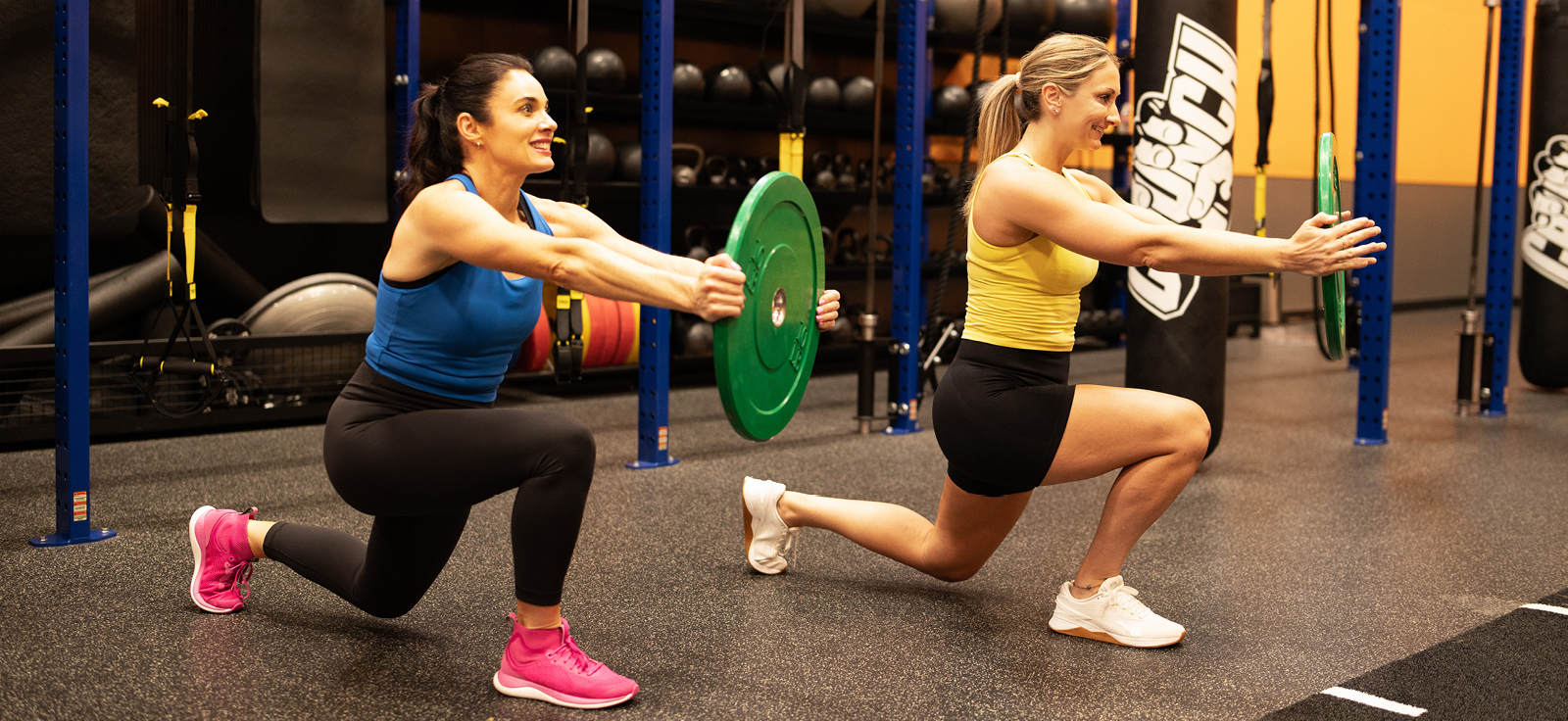
HIIT Workouts: Benefits, Risks, and Sample Routines. High-Intensity Interval Training, commonly known as HIIT, has become one of the most popular workout styles in recent years. From athletes and fitness enthusiasts to beginners with limited time, many people turn to HIIT workouts for fast, efficient, and challenging exercise sessions. But while HIIT can be highly effective, it is not without risks, especially when done incorrectly or too frequently.
This in-depth guide explores HIIT workouts, including how they work, their benefits, potential risks, and practical sample routines for different fitness levels. You will also find helpful examples and frequently asked questions to help you decide whether HIIT is right for your fitness journey.
What Are HIIT Workouts
HIIT workouts are based on alternating short periods of intense effort with brief recovery periods. These workouts push the body close to its maximum effort during work intervals, followed by rest or low-intensity movement.
Key Characteristics of HIIT
- Short bursts of high-intensity exercise
- Brief rest or active recovery periods
- Total workout time is typically between 10 and 30 minutes
- Can be performed with or without equipment
How HIIT Differs From Traditional Exercise
Unlike steady-state cardio, such as jogging at a consistent pace, HIIT challenges both aerobic and anaerobic systems. This makes it more demanding but also more time-efficient.
How HIIT Workouts Work in the Body
Understanding what happens inside the body during HIIT helps explain why these workouts are so effective.
Energy Systems Involved
During intense intervals, the body relies on fast energy systems that do not require oxygen. During rest periods, the aerobic system helps with recovery. This constant switching increases overall energy demand.
Afterburn Effect
HIIT workouts increase oxygen consumption after exercise. This means the body continues to use energy at a higher rate even after the workout ends.
Benefits of HIIT Workouts
HIIT workouts offer several advantages, especially for people with busy schedules.
Time Efficiency
One of the biggest benefits of HIIT is how little time it requires.
Why Short Workouts Work
Because HIIT is intense, even a 15-minute session can provide benefits similar to longer traditional workouts.
Improved Cardiovascular Fitness
HIIT challenges the heart and lungs, helping improve endurance and overall cardiovascular health.
Heart Health Benefits
- Increased heart efficiency
- Improved circulation
- Better oxygen delivery to muscles
Fat Loss and Body Composition
HIIT workouts are often associated with fat loss.
Why HIIT Supports Fat Loss
- High calorie burn during workouts
- Increased energy use after exercise
- Helps preserve muscle when paired with proper nutrition
Improved Insulin Sensitivity
HIIT can help the body use insulin more effectively, supporting better blood sugar control.
Variety and Engagement
HIIT workouts are rarely repetitive, which helps reduce boredom.
Mental Benefits
- Increased motivation
- Improved focus
- Greater workout enjoyment
Risks and Potential Downsides of HIIT Workouts
Despite its benefits, HIIT is not suitable for everyone or for everyday use.
Increased Injury Risk
The high intensity of HIIT can increase the risk of injury if exercises are performed incorrectly.
Common HIIT-Related Injuries
- Muscle strains
- Joint pain
- Overuse injuries
Overtraining and Fatigue
Doing HIIT too often can lead to physical and mental exhaustion.
Signs of Overtraining
- Persistent soreness
- Decreased performance
- Lack of motivation
- Poor sleep
Not Ideal for Complete Beginners
HIIT requires a base level of fitness and body awareness.
Beginner Considerations
People new to exercise should start with low-impact or moderate-intensity workouts before attempting HIIT.
Stress on the Nervous System
Frequent high-intensity training can place stress on the nervous system, affecting recovery and mood.
Who Should Do HIIT Workouts
HIIT workouts can be beneficial when matched to the right individual.
Suitable for HIIT
- People with limited time
- Individuals with some exercise experience
- Those looking to improve endurance and fat loss
Who Should Be Cautious
- Beginners with no exercise background
- People with joint issues
- Individuals recovering from injury
Consulting a healthcare or fitness professional is recommended in some cases.
How Often Should You Do HIIT Workouts
Frequency matters when it comes to HIIT.
Recommended Frequency
- 2 to 3 HIIT sessions per week
- Rest or low-intensity days in between
This balance allows recovery while still gaining benefits.
Structuring a Safe and Effective HIIT Workout
A well-designed HIIT workout includes preparation, intensity management, and recovery.
Importance of Warm-Ups
Warm-ups prepare muscles and joints for intense movement.
Simple Warm-Up Example
- Marching or jogging in place
- Arm and hip circles
- Light squats and lunges
Choosing the Right Exercises
Exercises should match your fitness level.
Common HIIT Exercises
- Squats
- Jumping jacks
- Mountain climbers
- High knees
- Push-ups
Low-impact alternatives are always an option.
Work-to-Rest Ratios
The balance between work and rest affects workout intensity.
Common Ratios
- 20 seconds work, 40 seconds rest
- 30 seconds work, 30 seconds rest
- 40 seconds work, 20 seconds rest
Beginners should start with more rest than work.
Sample HIIT Workout Routines
Below are example routines for different fitness levels. Always adjust intensity as needed.
Beginner HIIT Workout Routine
Duration
15 minutes
Structure
- 20 seconds work
- 40 seconds rest
- Repeat each exercise twice
Exercises
- Marching in place
- Bodyweight squats
- Wall push-ups
- Step-back lunges
This routine introduces intensity without excessive strain.
Intermediate HIIT Workout Routine
Duration
20 minutes
Structure
- 30 seconds work
- 30 seconds rest
Exercises
- Jumping jacks
- Squats
- Push-ups
- Mountain climbers
- Plank holds
Repeat the circuit two to three times.
Advanced HIIT Workout Routine
Duration
25 minutes
Structure
- 40 seconds work
- 20 seconds rest
Exercises
- Burpees
- Jump squats
- High knees
- Push-up variations
- Plank with shoulder taps
This routine is physically demanding and should be done only with proper conditioning.
Low-Impact HIIT Workout Option
HIIT does not always require jumping.
Low-Impact Exercise Options
- Step-outs instead of jumps
- Squats without jumping
- Fast-paced marching
- Controlled mountain climbers
These options reduce joint stress while maintaining intensity.
HIIT vs Traditional Cardio
Understanding the differences helps you choose the right approach.
Time Commitment
HIIT requires less time, while traditional cardio often involves longer sessions.
Intensity
HIIT is more intense, while traditional cardio is usually moderate.
Sustainability
Some people find traditional cardio easier to maintain long term, while others enjoy HIIT’s efficiency.
Combining HIIT With Other Training Styles
HIIT works best as part of a balanced fitness plan.
Strength Training and HIIT
Strength training supports muscle health and reduces injury risk when combined with HIIT.
Active Recovery Days
Activities like walking, stretching, or yoga help the body recover between HIIT sessions.
Nutrition and Recovery for HIIT Workouts
Fueling and recovery are essential for HIIT success.
Pre-Workout Nutrition
Eating a light meal or snack with carbohydrates and protein can improve performance.
Example Options
- Fruit with yogurt
- Toast with nut butter
- Smoothie with protein
Post-Workout Recovery
Recovery supports muscle repair and energy restoration.
Recovery Tips
- Stay hydrated
- Eat balanced meals
- Prioritize sleep
Common HIIT Mistakes to Avoid
Skipping Warm-Ups
Jumping straight into intense exercise increases injury risk.
Doing HIIT Every Day
Too much intensity without recovery leads to burnout.
Ignoring Proper Form
Speed should never replace correct movement technique.
Frequently Asked Questions (FAQs)
Are HIIT workouts effective for fat loss?
Yes, HIIT workouts can support fat loss by increasing calorie burn and improving metabolism, especially when combined with balanced nutrition.
Can beginners do HIIT workouts?
Beginners can do modified or low-impact HIIT workouts, but they should start slowly and focus on proper form.
How long should a HIIT workout be?
Most HIIT workouts last between 10 and 30 minutes. Longer sessions are not necessary due to the intensity involved.
Is HIIT better than cardio?
HIIT is not better or worse than cardio; it is different. HIIT is time-efficient and intense, while traditional cardio may be more sustainable for some people.
Can HIIT be done at home?
Yes, HIIT workouts can be done at home with bodyweight exercises and minimal space.
Final Thoughts
HIIT workouts offer a powerful and time-efficient way to improve fitness, burn calories, and challenge the body. When done correctly and in moderation, they can be a valuable part of a balanced exercise routine. However, HIIT is not meant to replace all other forms of exercise or to be done every day.
Understanding the benefits, risks, and proper structure of HIIT workouts allows you to train smarter and safer. Whether you are a beginner exploring modified routines or an experienced exerciser seeking intensity, HIIT can help you reach your fitness goals when approached with care, consistency, and respect for recovery.