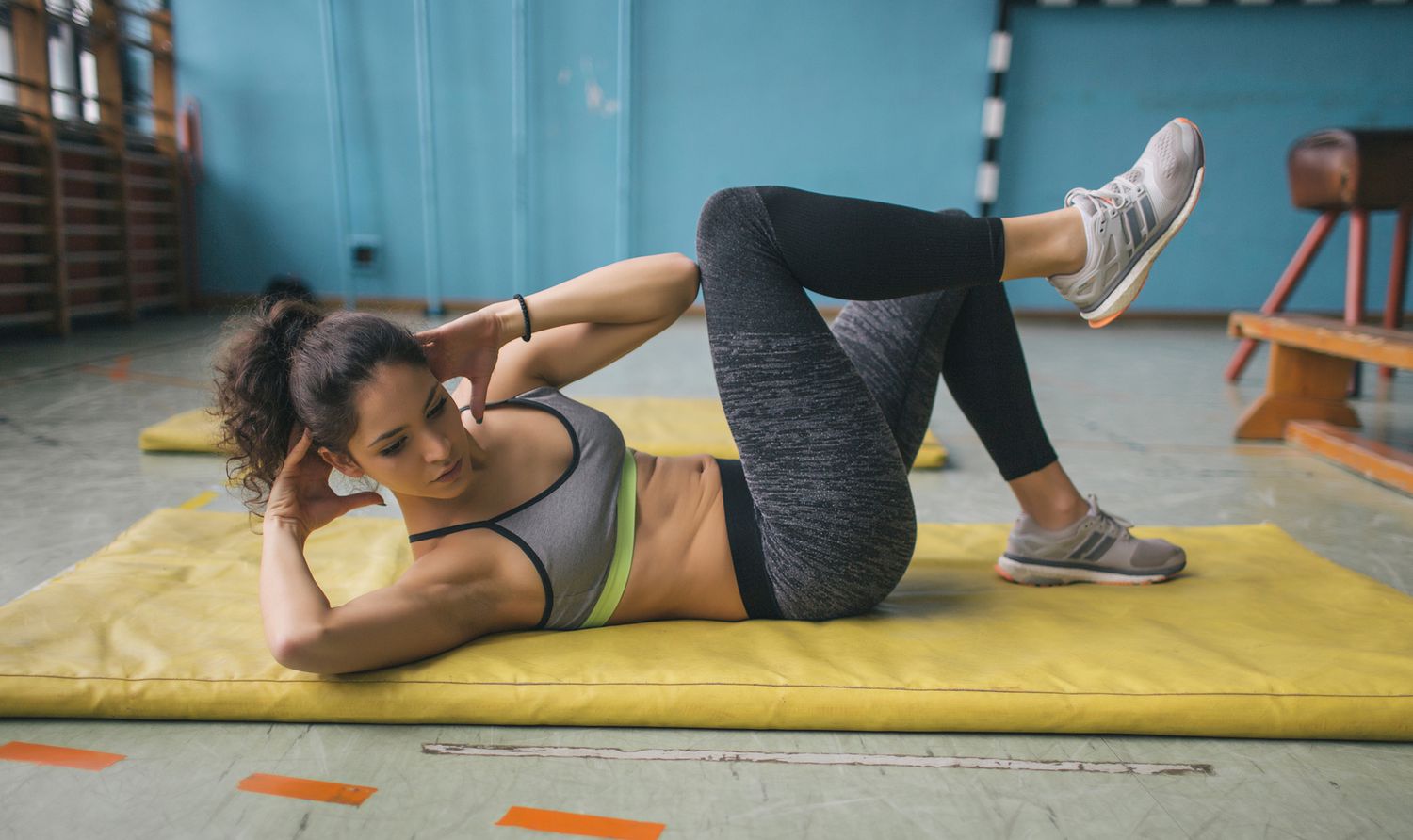
Best Exercises for Core Strength and Stability. A strong core is the foundation of overall fitness, functional movement, and injury prevention. Core muscles include not only your abs but also your lower back, hips, and glutes—all of which work together to stabilize the spine and support movement. Whether you are an athlete, a gym enthusiast, or someone seeking better posture and balance, core strength is crucial for daily life and peak performance.
This comprehensive guide explores the best exercises for core strength and stability, including bodyweight exercises, weighted variations, and dynamic movements. You’ll also find sample routines, beginner-to-advanced progression, and FAQs to help you build a strong, resilient core.
Understanding Core Muscles
The “core” is not just the six-pack abs you see in fitness magazines. It’s a complex system of muscles that stabilizes the spine and pelvis during movement.
Primary Core Muscles
- Rectus Abdominis: Front abdominal muscles responsible for spinal flexion.
- Obliques: Side abdominal muscles that allow twisting and side-bending.
- Transverse Abdominis: A deep abdominal muscle that stabilizes the spine.
- Erector Spinae: Muscles along the spine that help with extension and posture.
- Multifidus: Small stabilizing muscles along the spine.
- Pelvic Floor and Glutes: Support stability and core engagement.
Why Core Strength Matters
- Improves posture and balance
- Enhances athletic performance
- Reduces the risk of back pain and injuries
- Supports daily functional movements
- Increases efficiency in lifting, running, and twisting
Principles of Core Training
Stability Over Aesthetics
Core training is not only about visible abs. Stability, control, and endurance of these muscles are equally important.
Progressive Overload
Gradually increase difficulty by adding weight, time under tension, or advanced variations.
Engage the Entire Core
Focus on the deep stabilizers like transverse abdominis, not just the superficial rectus abdominis.
Include Static and Dynamic Exercises
- Static: Planks, hollow holds
- Dynamic: Mountain climbers, Russian twists
Bodyweight Core Exercises
Bodyweight exercises are highly effective and can be performed anywhere.
1. Plank
- Muscles Targeted: Rectus abdominis, transverse abdominis, obliques, and shoulders
- How to Perform:
- Position yourself face down, resting on forearms and toes.
- Keep a straight line from head to heels.
- Engage your core, glutes, and shoulders.
- Hold for 20–60 seconds.
- Variations: Side plank, forearm plank, plank with shoulder taps
2. Side Plank
- Muscles Targeted: Obliques, transverse abdominis, glutes
- How to Perform:
- Lie on your side, forearm under your shoulder.
- Lift hips off the floor, forming a straight line.
- Hold for 20–45 seconds per side.
- Variations: Side plank with leg lift, side plank dips
3. Hollow Body Hold
- Muscles Targeted: Entire core, especially transverse abdominis
- How to Perform:
- Lie on your back with arms extended overhead.
- Lift legs and shoulders off the floor.
- Keep your lower back pressed into the ground.
- Hold for 20–40 seconds.
- Variations: Hollow rocks (small rocking motion)
4. Bird Dog
- Muscles Targeted: Lower back, glutes, transverse abdominis
- How to Perform:
- Start on all fours with hands under shoulders.
- Extend opposite arm and leg until parallel to the floor.
- Hold for 2–3 seconds, then switch sides.
- Tips: Keep spine neutral and avoid sagging hips
5. Mountain Climbers
- Muscles Targeted: Core, shoulders, hip flexors
- How to Perform:
- Start in a high plank position.
- Bring one knee toward your chest, then alternate quickly.
- Keep hips stable and back straight.
- Variations: Cross-body mountain climbers, slow controlled mountain climbers
6. Glute Bridge
- Muscles Targeted: Glutes, lower back, hamstrings, core
- How to Perform:
- Lie on your back with knees bent and feet flat.
- Lift hips toward the ceiling, squeezing glutes.
- Hold for 2–3 seconds and lower down.
- Variations: Single-leg glute bridge, bridge march
Weighted Core Exercises
Adding resistance challenges your muscles further and accelerates strength gains.
1. Russian Twist (With Dumbbell or Medicine Ball)
- Muscles Targeted: Obliques, rectus abdominis
- How to Perform:
- Sit on the floor, knees bent, leaning slightly back.
- Hold a weight and twist your torso side to side.
- Perform 12–20 reps per side.
- Variations: Feet elevated for increased difficulty
2. Weighted Sit-Ups
- Muscles Targeted: Rectus abdominis, hip flexors
- How to Perform:
- Lie on your back with knees bent, holding a weight on your chest.
- Perform a full sit-up, then slowly lower.
- Do 10–15 controlled reps.
3. Landmine Twists
- Muscles Targeted: Obliques, transverse abdominis
- How to Perform:
- Use a barbell anchored at one end.
- Hold the free end with both hands, extend arms, and rotate from side to side.
- Keep core engaged throughout.
4. Overhead Dumbbell Carry
- Muscles Targeted: Shoulders, core, obliques, spinal stabilizers
- How to Perform:
- Hold a dumbbell overhead with one arm.
- Walk a set distance while keeping the torso upright.
- Switch sides and repeat.
Dynamic Core Movements
Dynamic exercises improve core stability under movement, mimicking real-life activity.
1. Medicine Ball Slam
- Muscles Targeted: Core, shoulders, arms
- How to Perform:
- Hold a medicine ball overhead.
- Slam it onto the ground while engaging the core.
- Catch the ball and repeat for 10–15 reps.
2. Kettlebell Windmill
- Muscles Targeted: Obliques, shoulders, glutes
- How to Perform:
- Hold a kettlebell overhead with one arm.
- Rotate torso and bend to touch the opposite foot while keeping the kettlebell overhead.
- Return to the start position, repeat 8–10 reps per side.
3. Stability Ball Rollout
- Muscles Targeted: Rectus abdominis, lower back, shoulders
- How to Perform:
- Kneel on the floor, hands on a stability ball.
- Roll the ball forward, extending your body, then return.
- Perform 10–12 controlled reps.
Sample Core Strength and Stability Routine
Beginner Routine (10–15 Minutes)
- Plank – 3 x 20–30 seconds
- Glute Bridge – 3 x 12 reps
- Bird Dog – 3 x 8 reps per side
- Side Plank – 2 x 20 seconds per side
- Mountain Climbers – 3 x 20 seconds
Intermediate Routine (20–30 Minutes)
- Hollow Body Hold – 3 x 30 seconds
- Russian Twist with Medicine Ball – 3 x 15 reps per side
- Plank with Shoulder Taps – 3 x 20 taps
- Glute Bridge March – 3 x 12 reps per side
- Mountain Climbers – 3 x 30 seconds
Advanced Routine (30–40 Minutes)
- Landmine Twists – 3 x 12 reps per side
- Side Plank with Leg Lift – 3 x 10 reps per side
- Stability Ball Rollouts – 3 x 12 reps
- Kettlebell Windmill – 3 x 8 reps per side
- Weighted Sit-Ups – 3 x 12 reps
- Medicine Ball Slams – 3 x 12–15 reps
Tips for Building Core Strength Safely
- Focus on form over speed. Quality movement prevents injury.
- Breathe steadily; avoid holding your breath.
- Incorporate core exercises into full-body workouts, not just isolation sessions.
- Progress gradually by adding time, reps, or resistance.
- Include recovery days to allow muscles to rebuild and grow.
Frequently Asked Questions (FAQs)
How often should I train my core?
- 3–5 times per week, mixing static and dynamic exercises.
- Core muscles recover quickly but still need rest if weighted exercises are used.
Can core exercises reduce belly fat?
- Spot reduction is a myth. Core exercises strengthen muscles but overall fat loss requires diet and full-body workouts.
Do I need equipment to strengthen my core?
- No. Bodyweight exercises like planks, bridges, and bird dogs are effective. Equipment adds variety and resistance.
How long will it take to see results?
- Consistent training and proper nutrition can lead to noticeable improvements in 6–12 weeks.
Should I focus on abs or the overall core?
- Overall, core strength is more important for stability, posture, and functional movement than just visible abs.
Final Thoughts
Building core strength and stability is essential for overall health, athletic performance, and functional fitness. By combining bodyweight exercises, weighted movements, and dynamic exercises, you can develop a resilient, strong core that supports posture, reduces injury risk, and enhances daily performance.
Whether you’re a beginner or an advanced athlete, consistent training, proper form, and progressive overload are key to achieving a stable and powerful core. Incorporate these exercises into your routine, follow the sample routines above, and track your progress to experience long-term benefits for both strength and stability.


