How to Build Muscle Without Going to the Gym. Building muscle is often associated with gyms, barbells, and expensive equipment. However, it’s entirely possible to gain strength and muscle mass from the comfort of your home or even outdoors. With the right exercises, proper nutrition, and consistent training, you can achieve impressive results without ever setting foot in a gym.
This comprehensive guide explores how to build muscle without going to the gym, including bodyweight exercises, resistance training alternatives, nutrition strategies, sample workout routines, and frequently asked questions.
Understanding Muscle Growth
Muscle growth, or hypertrophy, occurs when muscle fibers are stressed through resistance or overload and then repaired during recovery.
The Three Key Factors for Building Muscle
- Progressive Overload – Gradually increasing the challenge to your muscles, whether through weight, resistance, or repetitions.
- Nutrition – Adequate protein intake, calories, and micronutrients are essential for muscle repair and growth.
- Recovery – Muscles grow during rest, not during workouts. Sleep and rest days are vital.
Why You Don’t Need a Gym
You can stress your muscles effectively using:
- Bodyweight exercises
- Resistance bands
- Dumbbells or homemade weights
- Household items like water bottles or backpacks
Bodyweight Exercises for Muscle Growth
Bodyweight exercises are highly versatile and can target all major muscle groups.
Upper Body
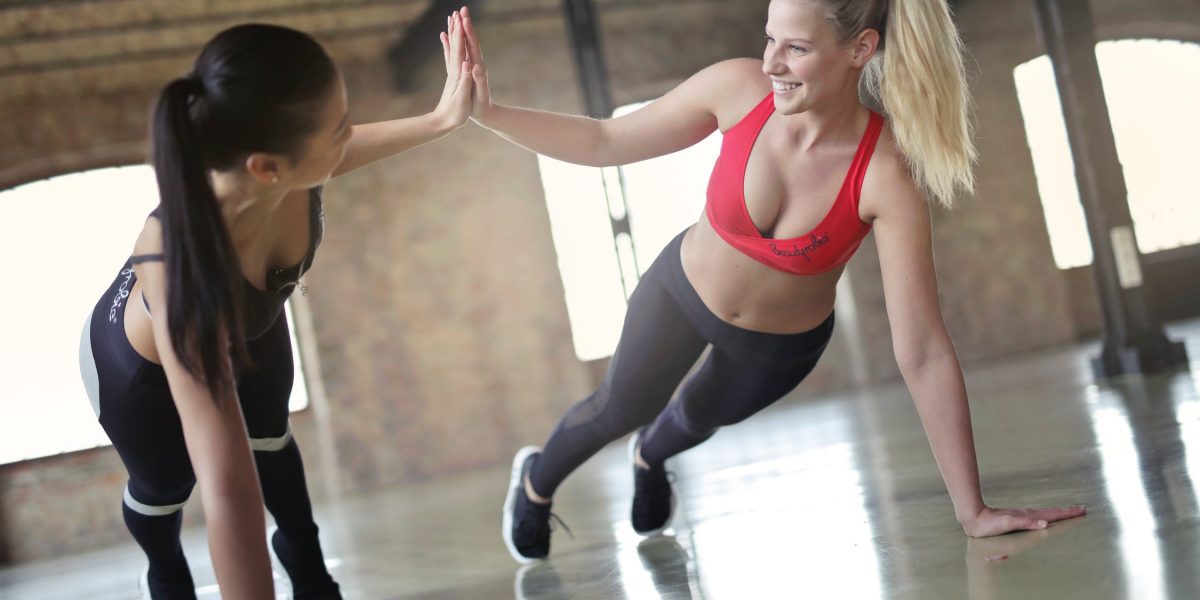
Push-Ups
- Targets: Chest, shoulders, triceps, core
- Variations: Standard, wide grip, diamond, incline, decline
Dips (Using Chairs or Benches)
- Targets: Triceps, chest, shoulders
- Tip: Keep your elbows close to your body to emphasize your triceps
Pull-Ups (Using a Bar or Tree Branch)
- Targets: Back, biceps, forearms
- Alternative: Inverted rows using a sturdy table
Lower Body
Squats
- Targets: Quadriceps, glutes, hamstrings, core
- Variations: Bodyweight, jump squats, pistol squats for advanced users
Lunges
- Targets: Quads, glutes, hamstrings
- Variations: Forward, reverse, walking lunges, Bulgarian split squats
Glute Bridges / Hip Thrusts
- Targets: Glutes, hamstrings, lower back
- Tip: Hold for a few seconds at the top for increased tension
Core and Stability
Planks
- Targets: Core, shoulders, glutes
- Variations: Standard plank, side plank, plank with shoulder taps
Leg Raises
- Targets: Lower abs, hip flexors
- Tip: Keep your lower back pressed to the floor
Mountain Climbers
- Targets: Core, shoulders, cardiovascular system
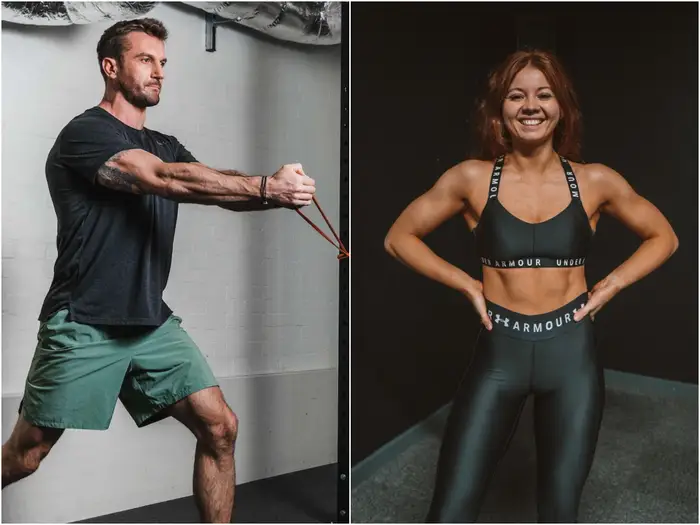
Using Resistance Bands for Muscle Growth
Resistance bands are affordable, portable, and highly effective for strength training.
Upper Body Exercises
- Banded push-ups for extra resistance
- Band rows for back strength
- Shoulder presses with bands
Lower Body Exercises
- Squats with bands around knees for glute activation
- Banded lateral walks for hip abductor strength
- Deadlifts using resistance bands
Benefits
- Adjustable resistance for progressive overload
- Reduced joint strain compared to heavy weights
- Easy to store and travel-friendly
Using Dumbbells and Household Weights
Even a few dumbbells at home can significantly boost muscle-building potential.
Upper Body Exercises
- Bicep curls
- Overhead shoulder press
- Dumbbell chest press (floor press if no bench is available)
Lower Body Exercises
- Goblet squats
- Dumbbell step-ups on a sturdy chair
- Romanian deadlifts
Core Exercises
- Russian twists, holding a dumbbell or water bottle
- Weighted sit-ups
- Side bends
Alternative Household Items
- Backpacks filled with books for squats, lunges, or rows
- Water jugs for curls or overhead presses
Nutrition for Muscle Growth at Home
Training alone is not enough—nutrition plays a critical role.
Protein Intake
- Aim for 1.6–2.2 grams of protein per kilogram of body weight
- Sources: Eggs, chicken, fish, dairy, legumes, tofu
Calorie Surplus for Growth
- Consume slightly more calories than you burn
- Include complex carbs (rice, oats, potatoes) and healthy fats (nuts, olive oil, avocado)
Timing
- Post-workout meals with protein and carbs aid recovery
- Spread protein intake throughout the day for optimal muscle synthesis
Supplements (Optional)
- Protein powder for convenience
- Creatine for strength and muscle mass
- Multivitamins to ensure micronutrient adequacy
Structuring Your Home Muscle-Building Workout
A well-designed home workout should include exercises for all major muscle groups.
Beginner Full-Body Routine (3 Days/Week)
Warm-Up (5–10 Minutes)
- Jumping jacks
- Arm circles
- Leg swings
Workout
- Push-ups – 3 sets of 8–12 reps
- Bodyweight squats – 3 sets of 12–15 reps
- Glute bridges – 3 sets of 10–12 reps
- Plank – 3 sets of 20–30 seconds
- Banded rows – 3 sets of 12 reps
Cool-Down
- Hamstring and quad stretches
- Shoulder stretches
Intermediate Full-Body Routine (4 Days/Week)
Day 1: Upper Focus
- Dumbbell bench press – 4 sets of 8–10 reps
- Pull-ups or inverted rows – 3 sets of 6–10 reps
- Shoulder press – 3 sets of 10 reps
- Bicep curls – 3 sets of 12 reps
- Tricep dips – 3 sets of 10–12 reps
Day 2: Lower Focus
- Goblet squats – 4 sets of 8–12 reps
- Walking lunges – 3 sets of 12 per leg
- Romanian deadlifts – 3 sets of 10 reps
- Calf raises – 3 sets of 15–20 reps
- Plank with leg lift – 3 sets of 20 seconds
Day 3: Rest or Active Recovery
Day 4: Full-Body Circuit
- Push-ups – 3 sets of 12 reps
- Squats – 3 sets of 15 reps
- Dumbbell rows – 3 sets of 12 reps
- Bicycle crunches – 3 sets of 20 reps
- Mountain climbers – 3 sets of 30 seconds
Day 5: Rest or Light Cardio
Advanced Routine (5–6 Days/Week)
- Focus on higher volume, progressive overload, and variations
- Incorporate supersets or circuits for increased intensity
- Example exercises: pistol squats, weighted pull-ups, dumbbell thrusters, elevated push-ups, side plank rotations
Progressive Overload at Home
To continue building muscle without gym machines:
- Increase repetitions or sets
- Reduce rest between sets
- Add resistance with bands or weights
- Slow down the movement for time under tension
- Include advanced variations (e.g., decline push-ups, single-leg squats)
Recovery and Rest
Recovery is essential for muscle growth:
- Sleep 7–9 hours per night
- Take rest days between high-intensity sessions
- Stretch or do yoga to improve flexibility and reduce soreness
- Listen to your body to prevent overtraining
Common Mistakes to Avoid
- Not increasing intensity over time
- Skipping proper nutrition
- Ignoring recovery
- Relying solely on one exercise type (e.g., only push-ups)
- Poor form, which can lead to injury
Frequently Asked Questions (FAQs)
Can I build muscle with bodyweight exercises only?
Yes. Bodyweight exercises like push-ups, pull-ups, squats, and planks can build significant muscle, especially with progressive variations.
How many days per week should I train?
Beginners: 2–3 days per week
Intermediate: 3–4 days
Advanced: 5–6 days
Do I need protein supplements?
Supplements are optional. You can meet protein needs with whole foods, though powders offer convenience.
Can women build muscle without getting bulky?
Yes. Women typically have lower testosterone levels, so they build toned muscle rather than bulky muscle naturally.
How long will it take to see results?
With consistent training and proper nutrition, noticeable muscle gains can appear in 6–12 weeks.
Do I need heavy weights at home?
Not necessarily. Resistance bands, bodyweight exercises, and household items can provide sufficient resistance for muscle growth.
Final Thoughts
Building muscle without going to the gym is entirely achievable with a combination of bodyweight exercises, resistance bands, dumbbells, proper nutrition, and consistent training. By incorporating progressive overload, targeting all major muscle groups, and prioritizing recovery, you can develop strength, tone, and functional fitness from home.
Whether you are a beginner or an advanced trainee, home workouts can be highly effective and adaptable to your lifestyle. With dedication and the right approach, you can achieve impressive muscle gains and overall health without ever setting foot in a gym.