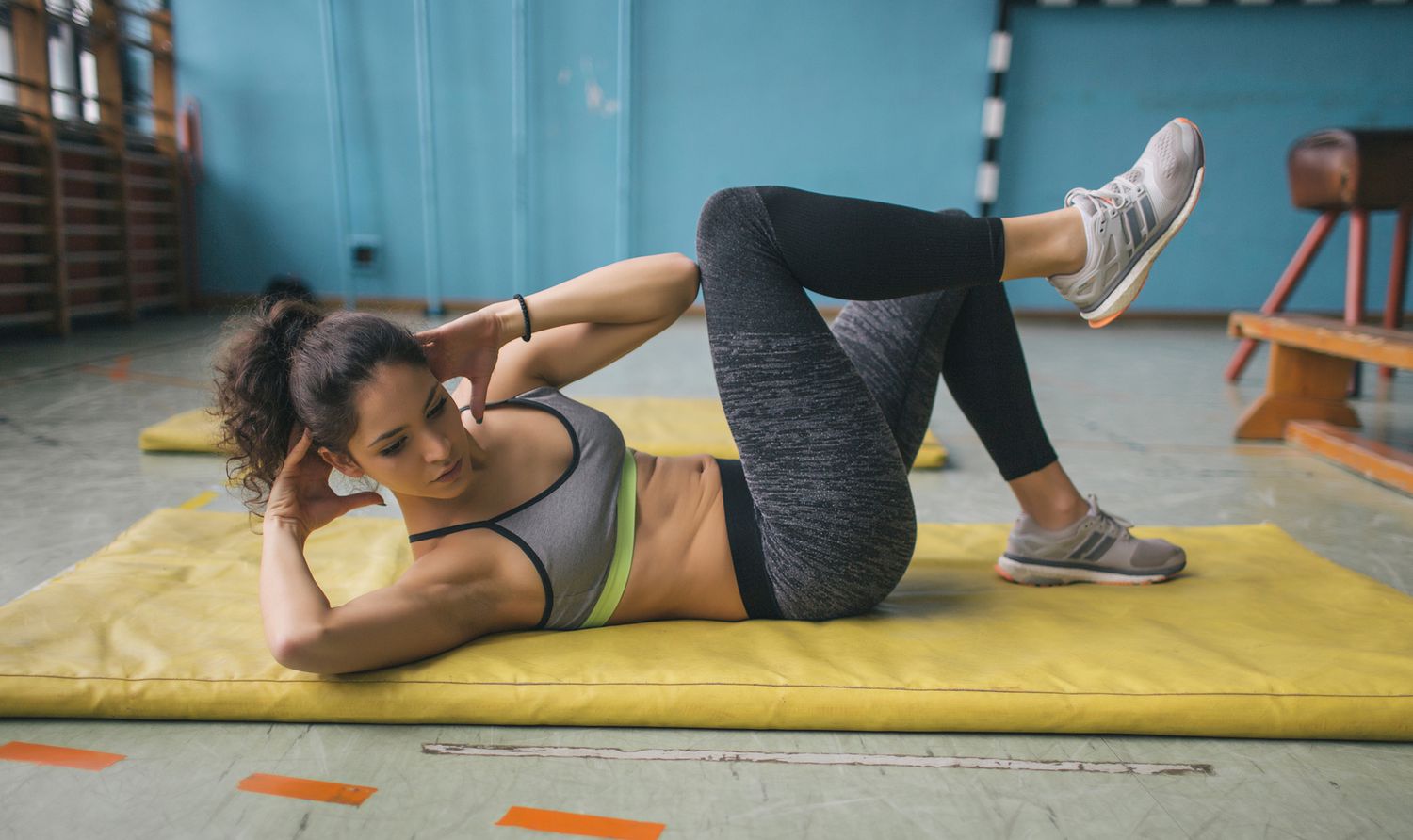
How to Lose Weight Safely With Exercise and Diet. Losing weight is one of the most common health goals, yet it is also one of the most misunderstood. Many people try extreme diets or exhausting workout plans, only to feel frustrated, tired, or unhealthy. The truth is that safe weight loss is not about quick fixes. It is about creating balanced habits that support your body, energy levels, and long-term health.
This detailed guide explains how to lose weight safely with exercise and diet. You will learn practical strategies, real-life examples, and evidence-based principles that help you lose weight without harming your body. Whether you are just starting or trying to improve your current routine, this article focuses on sustainable and healthy weight loss.
What Does Safe Weight Loss Really Mean
Before discussing exercise and diet, it is important to understand what “safe weight loss” actually involves.
Healthy Weight Loss Goals
Safe weight loss usually means losing weight gradually rather than rapidly. Slow and steady progress helps preserve muscle, supports mental well-being, and makes it easier to maintain results.
Common healthy guidelines include:
- Focusing on habits instead of the scale alone
- Avoiding extreme calorie restriction
- Supporting both physical and mental health
Why Crash Diets Are Risky
Crash diets promise fast results but often lead to fatigue, nutrient deficiencies, and weight regain. When the body is deprived of enough food, it slows down metabolism and increases cravings, making long-term success difficult.
The Relationship Between Diet and Weight Loss
Diet plays a major role in weight loss, but it does not mean eating less food all the time. It means eating the right foods in the right balance.
Understanding Calories Without Obsession
Calories represent energy, and weight loss happens when your body uses more energy than it takes in. However, focusing only on calorie numbers can be stressful and unhealthy.
A safer approach includes:
- Choosing nutrient-dense foods
- Eating mindfully
- Paying attention to hunger and fullness cues
The Importance of Nutrient Balance
Your body needs a balance of carbohydrates, protein, and healthy fats to function properly.
Carbohydrates
Carbohydrates provide energy. Whole grains, fruits, and vegetables are better choices than refined sugars.
Protein
Protein supports muscle, helps with recovery after exercise, and increases fullness.
Examples of protein sources:
- Eggs
- Lean meats
- Beans and lentils
- Yogurt
Healthy Fats
Fats support hormones and brain health. Include sources such as nuts, seeds, olive oil, and avocados in moderation.
How Exercise Supports Safe Weight Loss
Exercise helps burn calories, but its benefits go far beyond weight loss.
Exercise Improves Metabolism
Regular physical activity helps your body use energy more efficiently. Strength training, in particular, helps maintain muscle, which supports a healthy metabolism.
Exercise Supports Mental Health
Physical activity reduces stress, improves mood, and boosts confidence. These benefits make it easier to stick to healthy eating habits.
Best Types of Exercise for Safe Weight Loss
Not all exercise needs to be intense or time-consuming. The best routine is one you can do consistently.
Cardio Exercises for Weight Loss
Cardio helps increase calorie burn and supports heart health.
Examples of Cardio Activities
- Brisk walking
- Cycling
- Swimming
- Dancing
How Much Cardio Is Enough
Moderate cardio done most days of the week is effective. Even short sessions can add up over time.
Strength Training for Long-Term Results
Strength training is often overlooked but is essential for safe weight loss.
Why Strength Training Matters
- Preserves muscle while losing weight
- Improves body composition
- Supports bone health
Beginner Strength Training Example
- Bodyweight squats
- Push-ups (modified if needed)
- Lunges
- Plank holds
This routine can be done 2–3 times per week.
Combining Exercise and Diet for Best Results
Weight loss works best when diet and exercise support each other rather than compete.
Example of a Balanced Day
Morning
- Light breakfast with protein and fruit
- Short walk or stretching
Afternoon
- Balanced lunch with vegetables, protein, and whole grains
- Staying hydrated
Evening
- Strength or cardio workout
- Nutritious dinner with healthy fats
This approach avoids extremes while supporting steady progress.
Safe Weight Loss Meal Planning Tips
Meal planning helps reduce impulsive food choices and stress.
Focus on Simple Meals
Healthy meals do not need to be complicated. A simple plate might include:
- Half vegetables
- One-quarter protein
- One-quarter whole grains
Healthy Snack Ideas
- Fruit with yogurt
- Nuts in small portions
- Vegetables with hummus
How Portion Control Supports Weight Loss
Eating healthy foods is important, but portion size also matters.
Practical Portion Tips
- Use smaller plates
- Eat slowly and mindfully
- Stop eating when comfortably full
These habits reduce overeating without strict rules.
The Role of Hydration in Weight Loss
Drinking enough water supports digestion, energy levels, and appetite regulation.
Simple Hydration Tips
- Drink water regularly throughout the day
- Choose water over sugary drinks
- Pay attention to thirst signals
Sometimes thirst is mistaken for hunger.
Common Weight Loss Mistakes to Avoid
Many people struggle with weight loss because of common mistakes rather than lack of effort.
Skipping Meals
Skipping meals often leads to overeating later and unstable energy levels.
Overtraining
Too much exercise without enough rest can lead to fatigue and injury.
Comparing Progress to Others
Everybody responds differently. Comparing yourself to others can reduce motivation and confidence.
How Sleep Affects Weight Loss
Sleep is often ignored in weight loss discussions, but it plays a crucial role.
Why Sleep Matters
- Supports hormone balance
- Reduces cravings
- Improves workout recovery
Aim for consistent sleep routines to support healthy weight loss.
Managing Weight Loss Plateaus Safely
Weight loss plateaus are normal and do not mean failure.
What to Do During a Plateau
- Review eating habits without drastic changes
- Add gentle movement or variety to workouts
- Be patient and consistent
Plateaus often resolve naturally with time.
Staying Motivated Without Pressure
Motivation should come from self-care, not punishment.
Healthy Motivation Strategies
- Focus on how exercise makes you feel
- Celebrate non-scale victories like energy or strength
- Set realistic and flexible goals
Long-Term Habits for Maintaining Weight Loss
Safe weight loss is not temporary. Long-term success comes from habits you can maintain.
Build a Lifestyle, Not a Diet
Choose foods and activities you enjoy. Sustainability is more important than perfection.
Practice Balance
Enjoy treats occasionally without guilt. Balance helps prevent burnout and unhealthy relationships with food.
Frequently Asked Questions (FAQs)
How fast can I lose weight safely with diet and exercise?
Safe weight loss usually happens gradually. Focusing on habits rather than speed leads to better long-term results.
Do I need to cut out certain foods completely?
No. Eliminating foods can lead to cravings and stress. Moderation and balance are more sustainable.
Is exercise alone enough to lose weight?
Exercise helps, but combining it with healthy eating provides better and safer results.
Can I lose weight without going to the gym?
Yes. Walking, home workouts, and bodyweight exercises are effective when done consistently.
What if I don’t see results right away?
Weight loss is not always linear. Improvements in energy, strength, and mood often appear before changes on the scale.
Final Thoughts
Learning how to lose weight safely with exercise and diet is about respecting your body and building habits that last. There is no single perfect plan, but there is a healthy approach that works for most people: balanced nutrition, regular movement, adequate rest, and patience.
By focusing on consistency instead of extremes, you can achieve weight loss that supports your physical health, mental well-being, and long-term confidence. Safe weight loss is not about restriction or pressure—it is about creating a healthier relationship with food, exercise, and yourself.