Beginner’s Guide to Fitness: How to Start Exercising Today. Starting a fitness journey can feel overwhelming, especially if you have little or no experience with exercise. You may wonder where to begin, what type of workout is right for you, or how to stay motivated when life gets busy. The good news is that fitness does not require perfection, expensive equipment, or extreme routines. What it does require is a clear starting point, realistic expectations, and consistency.
This beginner’s guide to fitness is designed to help you start exercising today with confidence. It covers the basics of exercise, how to choose the right activities, simple workout examples, common mistakes to avoid, and answers to frequently asked questions. Whether your goal is to improve health, gain energy, lose weight, or simply move more, this guide will help you take your first steps safely and effectively.
Understanding What Fitness Really Means
Fitness is not just about having a certain body type or following intense workout plans. It is about improving your overall physical health, strength, endurance, and well-being.
The Main Components of Fitness
Fitness generally includes several key components that work together.
Cardiovascular Fitness
This refers to how well your heart and lungs work during physical activity. Activities like walking, cycling, and swimming improve cardiovascular fitness.
Strength
Strength involves the ability of muscles to produce force. Strength training helps with daily tasks like lifting, carrying, and maintaining posture.
Flexibility
Flexibility is the ability of your joints and muscles to move through their full range of motion. Stretching and mobility exercises support flexibility.
Balance and Coordination
Balance helps prevent falls and improves stability, especially as you age.
Why Starting Fitness as a Beginner Matters
Beginning an exercise routine, even at a basic level, offers both short-term and long-term benefits.
Physical Benefits
- Improved energy levels
- Better heart health
- Stronger muscles and bones
- Improved posture and mobility
Mental and Emotional Benefits
- Reduced stress
- Improved mood
- Better sleep quality
- Increased confidence
These benefits can appear sooner than many people expect, especially when exercise is done consistently.
Common Fears Beginners Have About Exercising
Many beginners hesitate to start because of common concerns.
Fear of Doing It Wrong
It is normal to worry about technique or not knowing what to do. Starting with simple movements and learning gradually is completely acceptable.
Fear of Judgment
Exercising at home or choosing beginner-friendly environments can help build confidence.
Fear of Not Being Fit Enough
Exercise is how you get fit, not something you need to be fit to do.
How to Start Exercising Today as a Beginner
The key to starting fitness is keeping things simple and manageable.
Step 1: Set a Clear but Realistic Goal
Instead of vague goals, focus on small, achievable ones.
Examples:
- Walk for 10 minutes every day
- Exercise three times per week
- Learn basic bodyweight exercises
Goals like these create momentum and build confidence.
Step 2: Choose the Right Type of Exercise
There is no single “best” workout for beginners. The best exercise is one you enjoy and can do consistently.
Beginner-Friendly Exercise Options
Walking
Walking is one of the easiest ways to start exercising. It requires no equipment and can be adjusted to your pace.
Bodyweight Exercises
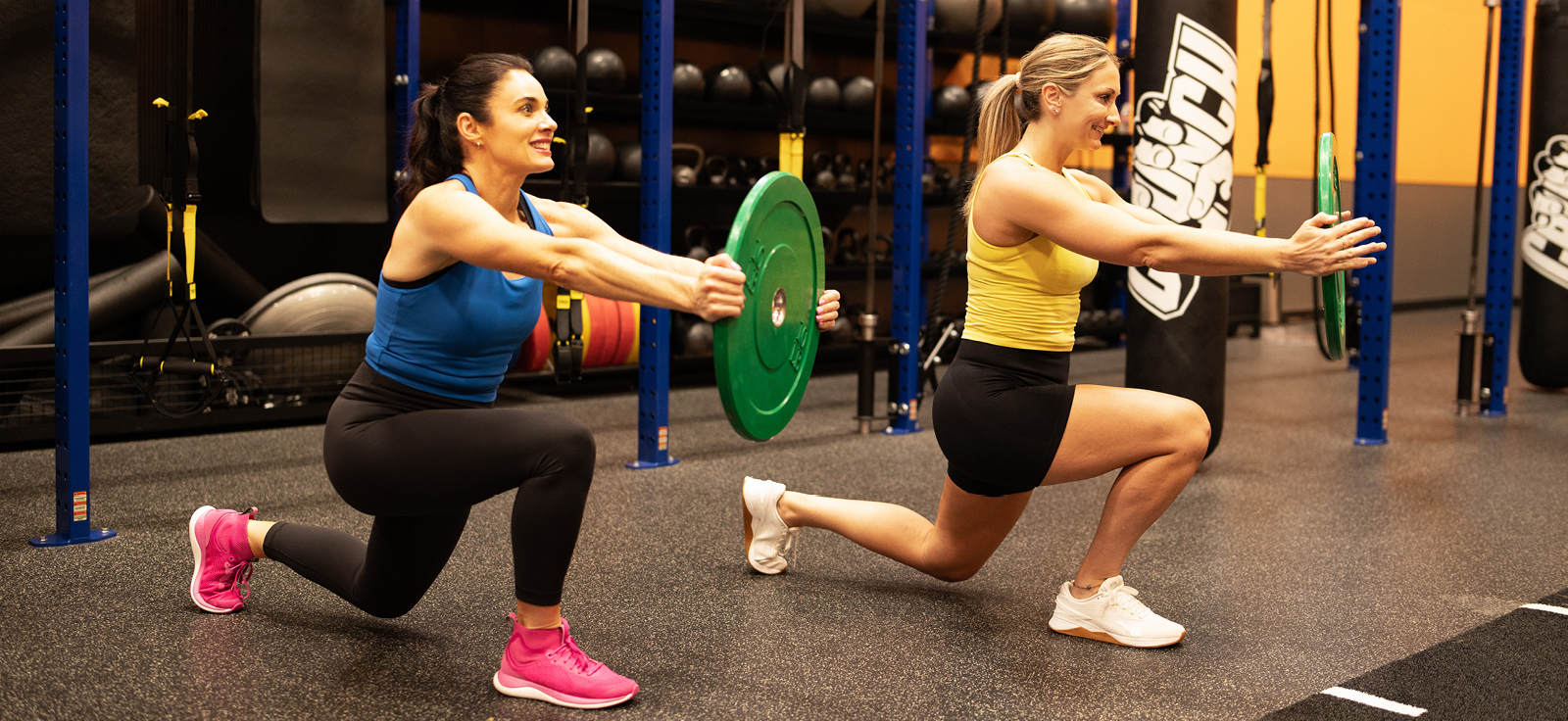
Exercises like squats, wall push-ups, and step-backs use your own body weight and are beginner-friendly.
Home Workouts
Short home workouts remove barriers like travel time and gym anxiety.
Group Classes or Videos
Beginner-focused videos or classes provide structure and guidance.
Step 3: Start With Short Workouts
You do not need long workouts to see benefits.
Recommended Duration for Beginners
- 10 to 20 minutes per session
- 2 to 4 days per week
Short workouts are easier to maintain and reduce the risk of burnout.
Beginner Workout Examples
Below are simple examples to help you start exercising today.
Beginner Full-Body Workout at Home
Warm-Up (5 Minutes)
- March in place
- Arm circles
- Gentle bodyweight squats
Main Workout
- Squats – 10 reps
- Wall push-ups – 8 reps
- Standing lunges or step-backs – 6 reps per leg
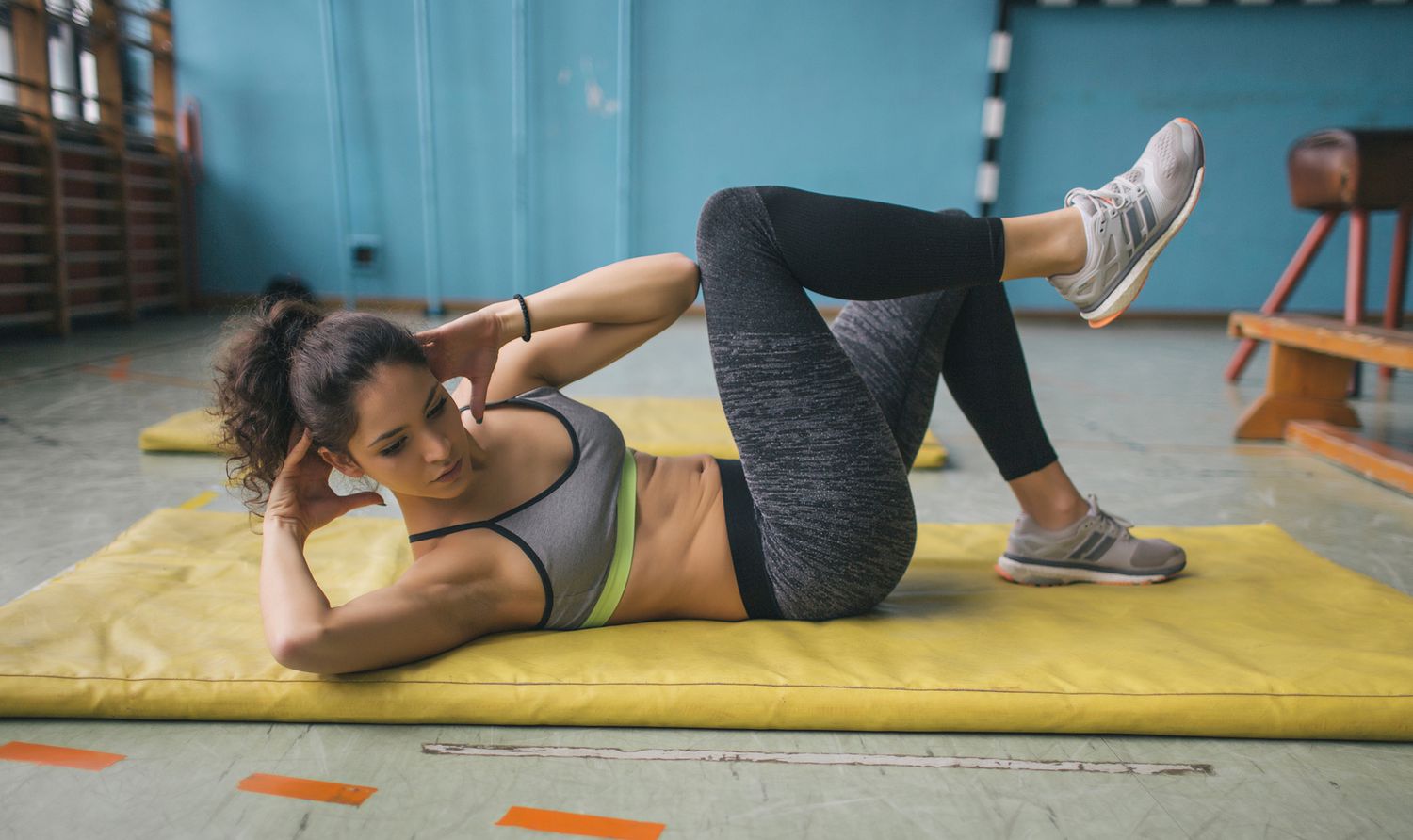
- Standing core twists – 10 reps
Repeat the circuit 1–2 times with rest as needed.
Cool-Down
- Light stretching for legs, arms, and back
Beginner Cardio Routine
15-Minute Walking Routine
- 5 minutes easy pace
- 5 minutes moderate pace
- 5 minutes easy pace
This simple structure improves endurance without overwhelming the body.
How Often Should Beginners Exercise
Consistency matters more than intensity for beginners.
Weekly Exercise Frequency
- 2 to 3 days per week for strength exercises
- 2 to 5 days per week for light cardio
Rest days are important and help prevent soreness and injury.
Understanding Proper Progression
Progression means gradually increasing difficulty as your body adapts.
Simple Ways to Progress
- Add a few more repetitions
- Increase workout time by 5 minutes
- Add an extra day of activity
Progress should feel challenging but not exhausting.
The Role of Nutrition for Beginners
Exercise works best when paired with supportive nutrition.
Beginner Nutrition Tips
- Eat regular meals
- Include protein, fruits, and vegetables
- Drink enough water
You do not need strict diets to start seeing improvements.
Importance of Warm-Ups and Cool-Downs
Skipping warm-ups and cool-downs is a common beginner mistake.
Why Warm-Ups Matter
Warm-ups prepare muscles and joints for movement and reduce injury risk.
Why Cool-Downs Matter
Cool-downs help the body relax, support flexibility, and reduce muscle soreness.
How to Stay Motivated as a Beginner
Motivation can fluctuate, especially early on.
Focus on Habits, Not Perfection
Missing a workout does not mean failure. Simply resume your routine.
Track Progress Beyond the Scale
Notice improvements in:
- Energy
- Strength
- Mood
- Daily movement
These signs often appear before visible changes.
Common Beginner Fitness Mistakes to Avoid
Doing Too Much Too Soon
Starting with intense workouts increases injury risk and burnout.
Comparing Yourself to Others
Everyone starts at a different point. Progress is personal.
Ignoring Recovery
Rest and sleep are essential for improvement.
Exercising Safely as a Beginner
Safety should always be a priority.
Listen to Your Body
Mild soreness is normal, but sharp pain is not.
Use Proper Form
Focus on controlled movements rather than speed.
Stay Hydrated
Drink water before, during, and after workouts.
How to Build a Long-Term Fitness Habit
Fitness should fit into your lifestyle, not take over it.
Make Exercise Convenient
Choose workouts that fit your schedule and environment.
Celebrate Small Wins
Every completed workout is a success.
Be Patient With Results
Fitness progress takes time, but consistency always pays off.
When to Consider Professional Guidance
Some beginners benefit from extra support.
Situations Where Help May Be Useful
- Recovering from injury
- Managing chronic conditions
- Feeling unsure about exercise technique
Professional guidance can provide confidence and structure.
Frequently Asked Questions (FAQs)
How do I start exercising if I am completely out of shape?
Start with low-impact activities like walking or gentle home workouts. Focus on short sessions and build gradually.
Do I need a gym membership to start fitness?
No. Many effective beginner workouts can be done at home or outdoors without equipment.
How long does it take to see results?
Many beginners notice improved energy and mood within a few weeks. Physical changes may take longer, depending on consistency and lifestyle.
Is it okay to feel sore after workouts?
Mild soreness is normal, especially at the beginning. It usually decreases as your body adapts.
What if I miss a workout?
Missing a workout is normal. Focus on getting back to your routine rather than feeling discouraged.
Final Thoughts
Starting your fitness journey does not require special skills, perfect plans, or extreme effort. This beginner’s guide to fitness shows that the most important step is simply starting. By choosing simple exercises, setting realistic goals, and staying consistent, you can begin exercising today in a safe and sustainable way.
Fitness is not about doing everything at once. It is about building habits that support your health, confidence, and quality of life over time. Start small, stay patient, and remember that every step forward counts.