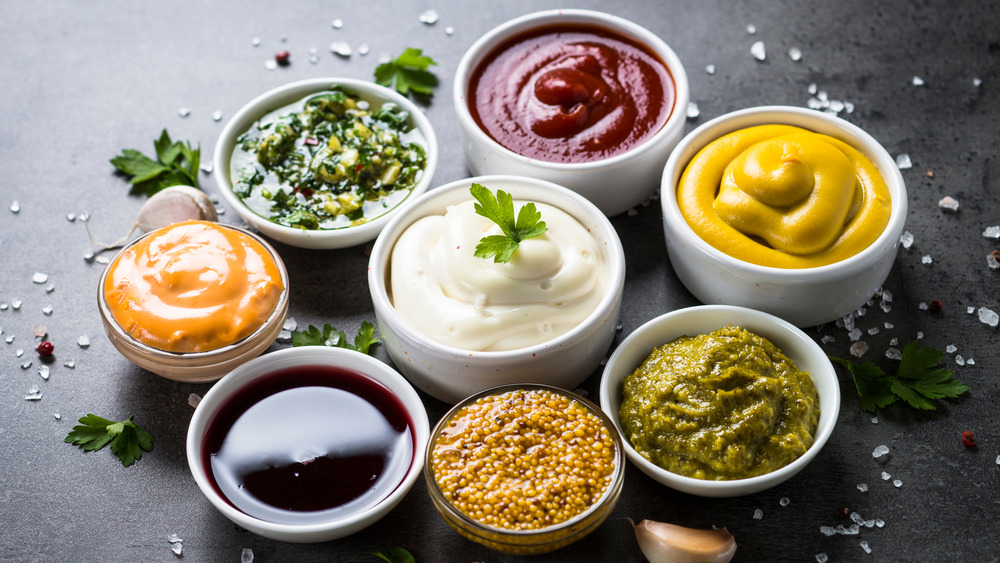
Homemade Sauces and Marinades That Transform Any Dish. The secret to elevating a simple dish often lies in sauces and marinades. A well-made sauce can turn a plain piece of chicken, fish, tofu, or roasted vegetables into a culinary masterpiece. Likewise, a marinade infuses proteins and vegetables with flavor, tenderness, and aroma, making every bite irresistible.
Whether you are a beginner cook or a seasoned home chef, learning how to make homemade sauces and marinades is a game-changer. This guide will explore essential sauces and marinades, show how to pair them with various dishes, provide recipes, and answer common questions about flavor enhancement in cooking.
Why Homemade Sauces and Marinades Matter
1. Boost Flavor
Packaged sauces can be convenient, but homemade versions allow for fresh ingredients, customized seasoning, and balanced flavors.
2. Control Ingredients
Store-bought sauces may contain excess sugar, salt, preservatives, or artificial flavors. Making your own lets you control every ingredient.
3. Enhance Texture
Marinades can tenderize proteins, while sauces add moisture, creaminess, or a glossy finish to dishes.
4. Increase Versatility
With a few key sauces and marinades, you can transform everyday ingredients into diverse dishes, from stir-fries to pasta, tacos to roasted vegetables.
Key Principles of Sauces and Marinades
Before diving into recipes, it’s important to understand the basic principles:
1. Balance of Flavors
Good sauces and marinades include multiple flavor dimensions:
- Sweet: Honey, maple syrup, or sugar
- Sour: Vinegar, citrus juice
- Salty: Soy sauce, miso, or sea salt
- Umami: Mushrooms, soy sauce, miso, nutritional yeast
- Spicy: Chili flakes, hot sauce, or ginger
Pro tip: Taste as you go and adjust ingredients gradually to avoid overpowering flavors.
2. Use Fresh Ingredients
Fresh herbs, garlic, onion, citrus, and spices can make your sauces more vibrant than store-bought alternatives.
3. Proper Technique
- For marinades: Allow proteins to absorb flavors for at least 30 minutes to several hours.
- For sauces: Simmer or reduce to concentrate flavors and achieve the desired consistency.
4. Pairing with Dishes
Different sauces complement different foods:
- Creamy sauces for pasta or vegetables
- Acidic marinades for meats and fish
- Spicy or tangy sauces for grilled or roasted items
Essential Homemade Sauces
Here are some versatile sauces you can make at home.
1. Classic Tomato Sauce
Ingredients
- 1 can crushed tomatoes
- 2 tablespoons olive oil
- 2 garlic cloves, minced
- 1 small onion, diced
- 1 teaspoon sugar
- Salt and pepper to taste
- Fresh basil or oregano
Instructions
- Heat olive oil and sauté garlic and onion until fragrant.
- Add crushed tomatoes, sugar, salt, and pepper.
- Simmer 20–30 minutes.
- Stir in fresh herbs before serving.
Example: Use this sauce for pasta, pizza, or baked vegetables.
Pro tip: Add a splash of balsamic vinegar for depth of flavor.
2. Creamy Garlic Parmesan Sauce
Ingredients
- 2 tablespoons butter or olive oil
- 2 garlic cloves, minced
- 1 cup plant-based milk or cream
- ¼ cup grated Parmesan (or vegan Parmesan)
- Salt and pepper
Instructions
- Melt butter and sauté garlic for 1–2 minutes.
- Add milk slowly, stirring to combine.
- Simmer until slightly thickened.
- Stir in Parmesan and season.
Example: Perfect for pasta, roasted vegetables, or dipping bread.
3. Teriyaki Sauce
Ingredients
- ¼ cup soy sauce
- 2 tablespoons mirin or rice vinegar
- 2 tablespoons brown sugar
- 1 teaspoon ginger, grated
- 1 garlic clove, minced
- 1 teaspoon cornstarch mixed with 2 tablespoons of water
Instructions
- Combine soy sauce, mirin, sugar, ginger, and garlic in a saucepan.
- Bring to a simmer and add cornstarch slurry.
- Cook until thickened.
Example: Use on stir-fried vegetables, tofu, or grilled chicken.
Pro tip: Adjust sweetness and saltiness to your taste.
4. Chimichurri Sauce
Ingredients
- 1 cup fresh parsley
- ½ cup olive oil
- 2 tablespoons red wine vinegar
- 2 garlic cloves
- 1 teaspoon red chili flakes
- Salt and pepper
Instructions
- Blend all ingredients in a food processor until smooth.
- Serve immediately or refrigerate for a few hours for flavors to meld.
Example: Ideal for grilled steak, roasted vegetables, or tofu.
Pro tip: Use cilantro for a variation or add lemon juice for extra brightness.
5. Tahini Lemon Sauce
Ingredients
- ½ cup tahini
- ¼ cup water
- 2 tablespoons lemon juice
- 1 garlic clove, minced
- Salt to taste
Instructions
- Mix all ingredients until smooth and creamy.
- Adjust water for desired consistency.
Example: Perfect as a dressing for roasted vegetables, grain bowls, or falafel.
Essential Marinades for Proteins and Vegetables
Marinades infuse flavor and can tenderize ingredients. Here are versatile options:
1. Lemon Herb Marinade
Ingredients
- Juice of 1 lemon
- 3 tablespoons olive oil
- 2 garlic cloves, minced
- 1 teaspoon thyme
- 1 teaspoon rosemary
- Salt and pepper
Instructions
- Mix all ingredients in a bowl.
- Marinate chicken, tofu, or vegetables for 30–60 minutes.
- Grill, bake, or roast as desired.
Example: Works well with Mediterranean dishes or roasted vegetables.
2. Soy Ginger Marinade
Ingredients
- ¼ cup soy sauce
- 2 tablespoons rice vinegar
- 1 tablespoon sesame oil
- 1 tablespoon grated ginger
- 1 garlic clove, minced
- 1 teaspoon brown sugar
Instructions
- Combine ingredients in a bowl.
- Marinate tofu, tempeh, or chicken for 30–60 minutes.
- Cook by grilling, sautéing, or baking.
Pro tip: Add chili flakes for extra heat.
3. Balsamic Glaze Marinade
Ingredients
- ¼ cup balsamic vinegar
- 2 tablespoons olive oil
- 1 tablespoon maple syrup
- 1 teaspoon Dijon mustard
- Salt and pepper
Instructions
- Whisk ingredients together.
- Marinate vegetables, mushrooms, or portobello for 30–45 minutes.
- Roast or grill for deep flavor.
Example: Adds sweetness and acidity to roasted vegetables or grilled tofu.
4. Spicy BBQ Marinade
Ingredients
- ½ cup tomato paste
- 2 tablespoons apple cider vinegar
- 2 tablespoons maple syrup
- 1 teaspoon smoked paprika
- 1 teaspoon chili powder
- 1 teaspoon garlic powder
Instructions
- Mix all ingredients.
- Marinate jackfruit, tempeh, or chicken for at least 1 hour.
- Grill, bake, or pan-cook.
Example: Ideal for plant-based pulled “meat” sandwiches or grilled vegetables.
5. Coconut Curry Marinade
Ingredients
- ½ cup coconut milk
- 1 tablespoon curry powder
- 1 teaspoon turmeric
- 1 garlic clove, minced
- Salt to taste
Instructions
- Whisk together all ingredients.
- Marinate vegetables, tofu, or chicken for 30–60 minutes.
- Roast or sauté until cooked through.
Pro tip: Coconut milk adds creaminess and balances spices beautifully.
Tips for Making the Most of Sauces and Marinades
- Marinate proteins for at least 30 minutes to let flavors penetrate.
- Taste sauces as you go to adjust seasoning and acidity.
- Use fresh herbs whenever possible for brightness.
- Store extras in airtight containers for up to a week (or freeze for longer).
- Experiment with flavor combinations—sweet, sour, salty, umami, and spicy balance dishes.
FAQ About Homemade Sauces and Marinades
Can I make sauces and marinades ahead of time?
Yes. Most sauces can be stored in the fridge for 3–7 days. Marinades can be made ahead and stored, but don’t reuse marinade that touched raw meat without boiling it first.
How long should I marinate meat or vegetables?
- Meat: 30 minutes to 8 hours, depending on cut and thickness.
- Vegetables: 15–30 minutes is usually enough.
- Tofu or tempeh: 30 minutes to 2 hours for best flavor absorption.
Can I make these recipes vegan or plant-based?
Absolutely. Swap any animal-based ingredients with plant-based alternatives:
- Dairy → plant milk or vegan cheese
- Honey → maple syrup
- Meat → tofu, tempeh, jackfruit, or mushrooms
How do I prevent sauces from being too salty or too sweet?
- Start with less seasoning and adjust gradually.
- Balance flavors with acid (lemon, vinegar) or sweetness (maple, sugar) as needed.
Can I freeze sauces?
Yes, most sauces freeze well, except those with cream, eggs, or fresh herbs (add herbs after thawing). Use ice cube trays to freeze small portions for convenience.
Conclusion
Homemade sauces and marinades are powerful tools in transforming ordinary dishes into extraordinary meals. By understanding balance, flavor layering, and proper technique, even beginners can create sauces that enhance vegetables, proteins, grains, and plant-based foods.
From classic tomato sauce and creamy garlic Parmesan to teriyaki, chimichurri, and coconut curry marinades, these recipes are versatile, flavorful, and customizable. Once you master a few foundational sauces and marinades, you can elevate any dish, impress guests, and enjoy the satisfaction of home-cooked meals that rival restaurant-quality flavors.
With practice, fresh ingredients, and a little experimentation, sauces and marinades can become your secret weapon in the kitchen, turning simple meals into unforgettable culinary experiences.