Top Cooking Tips Every Beginner Should Know. Learning to cook can be intimidating for beginners. The kitchen is full of unfamiliar tools, ingredients, and techniques, which can make even simple recipes feel overwhelming. However, with the right tips, strategies, and mindset, cooking can be enjoyable, stress-free, and rewarding.
This guide will cover essential cooking tips every beginner should know, provide examples to illustrate them, and answer common questions. By the end, you’ll feel more confident and capable in the kitchen, ready to tackle meals from breakfast to dinner with ease.
Why Cooking Skills Are Important for Beginners
Developing cooking skills has more benefits than simply filling your stomach:
- Healthier meals: Homemade meals allow you to control ingredients and portions.
- Cost-effective: Cooking at home saves money compared to eating out.
- Creative outlet: Experimenting with recipes develops creativity.
- Life skill: Cooking is a valuable skill that benefits you and those around you.
Even if you start with simple dishes, learning the basics lays the foundation for advanced recipes later.
Essential Cooking Tips for Beginners
1. Start With Simple Recipes
Begin with recipes that require few ingredients and straightforward techniques.
- Example: Scrambled eggs, pasta with marinara, or roasted vegetables.
- Avoid complicated sauces or multi-step desserts at first.
- Mastering simple dishes builds confidence.
Pro tip: Read the full recipe before starting to avoid surprises.
2. Learn Basic Knife Skills
Knife skills are fundamental for safety and efficiency.
Tips for Beginners
- Keep knives sharp—dull knives are more dangerous.
- Use a stable cutting board and a proper grip.
- Practice basic cuts: dice, slice, julienne.
Example
- Dice an onion evenly to ensure uniform cooking.
- Julienne carrots for salads or stir-fries.
Pro tip: Watch online tutorials to see professional techniques in action.
3. Understand Heat and Temperature
Cooking requires controlling heat to avoid undercooked or burned food.
Heat Levels
- Low heat: Simmering sauces or melting chocolate.
- Medium heat: Sautéing vegetables or pan-frying chicken.
- High heat: Searing meat or stir-frying.
Example
- Roast vegetables at 400°F (200°C) for caramelized edges.
- Sear steaks in a hot pan for a golden crust, then finish at a lower heat.
Pro tip: Invest in a digital thermometer for perfect meat and poultry cooking.
4. Mise en Place: Prep Ingredients Before Cooking
Mise en place is a French term meaning “everything in its place.”
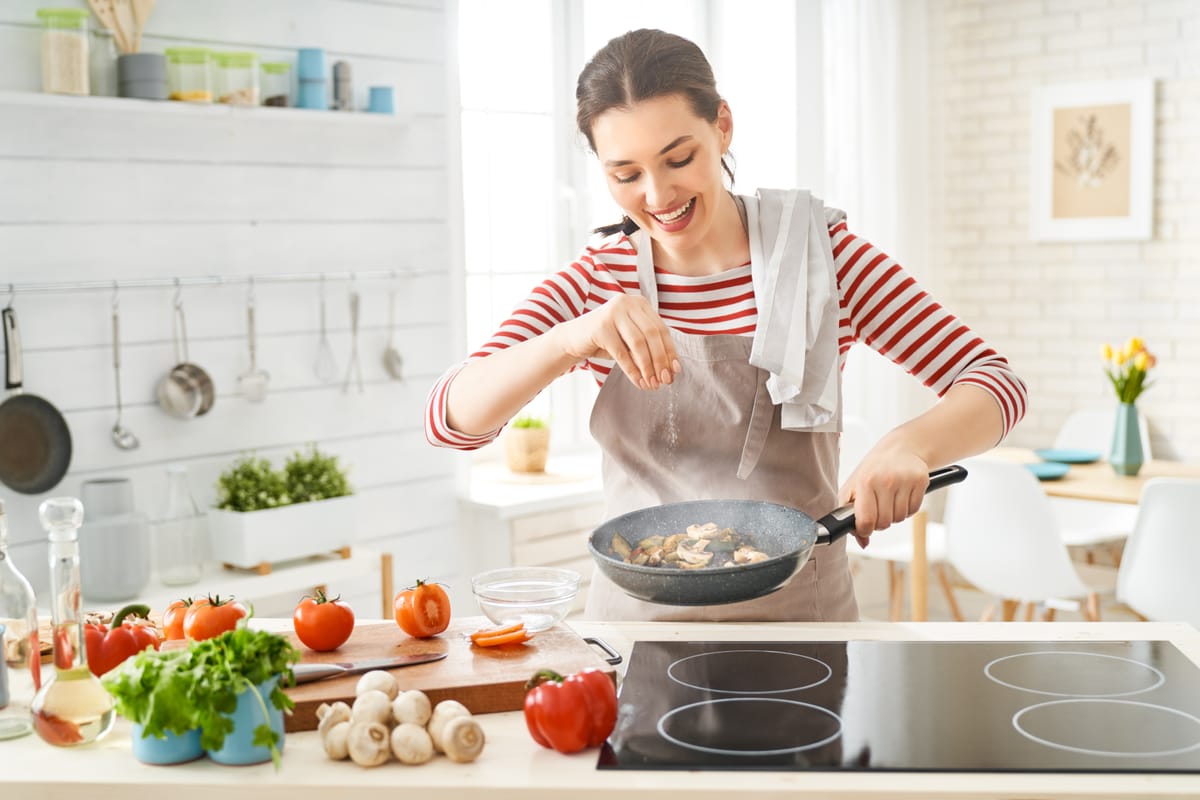
- Chop, measure, and organize ingredients before turning on the stove.
- Helps prevent mistakes, ensures smooth cooking, and saves time.
Example
- Dice onions, garlic, and bell peppers before making a stir-fry.
- Measure spices in small bowls before starting a curry.
Pro tip: Keep a set of small prep bowls for efficiency.
5. Season Gradually
Seasoning is key to flavor. Avoid adding all salt or spices at the end.
- Taste and adjust seasoning at every stage.
- Layering flavors creates depth in dishes.
Example
- Sauté onions with a pinch of salt to enhance sweetness.
- Add spices gradually to soups or stews instead of all at once.
Pro tip: Finish with fresh herbs, lemon juice, or a drizzle of oil for brightness.
6. Use the Right Cooking Oil
Different oils are suitable for different purposes:
- Olive oil: Low to medium heat cooking, dressings.
- Vegetable or canola oil: High-heat cooking.
- Coconut oil: Baking or medium-heat sautéing.
Example
- Sear chicken in canola oil for a crisp exterior.
- Drizzle olive oil over roasted vegetables for flavor.
Pro tip: Avoid using extra virgin olive oil for high-heat frying—it can burn easily.
7. Learn How to Cook Proteins Properly
Proteins like meat, poultry, tofu, and fish require specific techniques.
Tips
- Use a thermometer: Chicken should reach 165°F (74°C).
- Rest meat after cooking for juicy results.
- Sear first for flavor, then finish cooking slowly.
Example
- Pan-sear salmon skin-side down for crispy skin, then cook gently for a few minutes.
- Marinate tofu before baking to absorb flavor.
8. Embrace Fresh Herbs and Spices
Fresh herbs and spices transform simple dishes into flavorful meals.
Examples
- Basil and oregano in tomato pasta.
- Cilantro in tacos or stir-fry.
- Smoked paprika in roasted potatoes.
Pro tip: Add delicate herbs like basil or parsley at the end of cooking to preserve aroma.
9. Don’t Fear Experimenting
Cooking is partly science, partly art. Experimenting helps you understand flavors and textures.
- Swap ingredients in recipes to fit your taste.
- Try new cooking methods like roasting, grilling, or steaming.
- Taste as you go to adjust seasonings.
Example: Replace chicken with tofu in a stir-fry to learn plant-based cooking.
10. Keep Your Kitchen Organized
An organized kitchen makes cooking easier and more enjoyable.
- Clean as you go to reduce clutter.
- Store utensils and spices where you can reach them quickly.
- Label ingredients for easy identification.
Pro tip: Dedicate a drawer or shelf to frequently used items.
11. Don’t Overcrowd the Pan
Overcrowding reduces browning and can lead to steaming instead of searing.
Example
- When making stir-fried vegetables, cook in batches for crispness.
- Sear chicken or steak with space around pieces for a golden crust.
Pro tip: Use a larger pan or cook in multiple batches to maintain proper heat.
12. Practice Patience
Rushing can ruin a meal.
- Allow time for flavors to develop.
- Don’t flip meats constantly—let a crust form.
- Simmer sauces for richness.
Example
- Let a soup simmer for 20–30 minutes instead of rushing it.
- Rest a roast for 10–15 minutes before carving.
Examples of Beginner-Friendly Dishes
Here are simple recipes that incorporate these tips:
Scrambled Eggs with Spinach and Tomatoes
- Sauté spinach and diced tomatoes in olive oil.
- Whisk eggs with salt and pepper.
- Pour eggs into the pan, cook gently, and stir occasionally.
Tip: Add fresh herbs at the end for flavor.
One-Pan Chicken and Vegetables
- Season chicken breasts with salt, pepper, and paprika.
- Roast with carrots, potatoes, and onions at 400°F (200°C).
- Check doneness with a thermometer.
Easy Vegetable Stir-Fry
- Pre-chop vegetables (broccoli, bell peppers, carrots).
- Sauté garlic and onion first, then add vegetables.
- Add soy sauce and a splash of lime juice at the end.
Simple Pasta with Tomato Sauce
- Sauté garlic in olive oil, add canned tomatoes, and simmer.
- Season with salt, pepper, and oregano.
- Toss with cooked pasta and fresh basil.
Common Beginner Mistakes and How to Avoid Them
1. Overcooking or Undercooking
- Use a thermometer for proteins.
- Check vegetables for tenderness before removing.
2. Underseasoning
- Taste as you go.
- Layer salt and spices gradually.
3. Skipping Prep
- Chop and measure ingredients before cooking.
- Helps prevent mistakes and stress.
4. Using Wrong Heat
- Low heat for simmering and melting.
- Medium heat for sautéing.
- High heat for searing and stir-frying.
5. Not Cleaning as You Go
- Wash utensils and wipe surfaces while cooking.
- Reduces mess and makes post-cooking cleanup faster.
FAQ for Beginner Cooks
How long does it take to learn basic cooking skills?
With consistent practice, 2–4 weeks is enough to become comfortable with basic techniques like chopping, sautéing, and seasoning.
Do I need expensive kitchen tools?
No. A chef’s knife, a cutting board, a pan, and a few utensils are sufficient to start cooking. Optional gadgets can make things easier but aren’t necessary.
How can I improve my flavor skills?
Experiment with herbs, spices, and acids, taste frequently, and try combining ingredients to see what works.
Can beginners cook healthy meals?
Yes. Start with vegetables, grains, legumes, and lean proteins. Simple cooking methods like roasting, steaming, and sautéing preserve nutrients.
How do I avoid burning food?
- Use proper heat levels.
- Stir occasionally.
- Don’t overcrowd pans.
- Watch food carefully, especially when cooking proteins or sauces.
Conclusion
Cooking is a learnable skill, and beginners don’t have to feel intimidated. By mastering knife skills, heat control, seasoning, and preparation techniques, you can create delicious, healthy, and visually appealing meals.
Start with simple recipes, practice patience, and don’t be afraid to experiment. With time, your confidence and skills in the kitchen will grow, allowing you to cook a wide range of meals and enjoy the satisfaction of homemade dishes.
Remember, even small improvements—like prepping ingredients or tasting as you go—can transform a beginner cook into someone who enjoys and excels at home cooking.