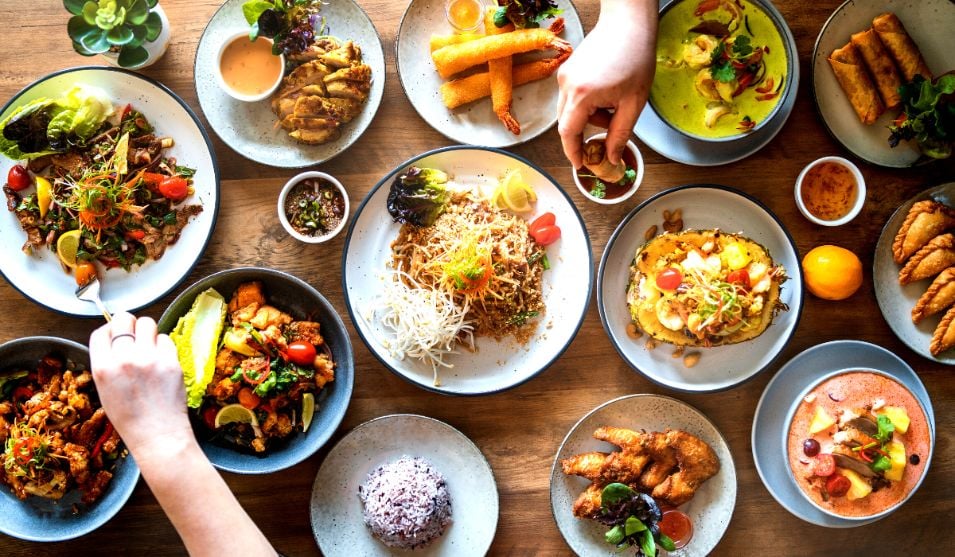
Global Cuisines You Can Try Cooking at Home. Exploring global cuisines from the comfort of your kitchen is a fun and delicious way to expand your cooking skills and palate. Each cuisine offers unique flavors, ingredients, and cooking techniques, providing an exciting culinary adventure without leaving home.
From the rich spices of Indian food to the delicate flavors of Japanese cuisine, home cooks can recreate iconic dishes with a few simple ingredients and some guidance. This guide will introduce popular global cuisines, provide beginner-friendly recipes, and share tips to make cooking international meals approachable and enjoyable.
Why Cooking Global Cuisines at Home Matters
1. Expand Your Flavor Palate
Trying dishes from different cultures introduces new herbs, spices, and flavor combinations that can inspire creativity in your everyday cooking.
2. Learn New Techniques
Many global cuisines use techniques unfamiliar to Western home cooks, such as stir-frying, braising, steaming, or fermenting. Mastering these methods enhances your overall cooking skills.
3. Healthier Options
Cooking at home allows you to control ingredients, seasoning, and cooking methods, making traditionally indulgent dishes healthier without sacrificing flavor.
4. Budget-Friendly
Eating out at ethnic restaurants regularly can be expensive, but cooking global recipes at home is often cheaper and allows for batch cooking.
Essential Tips for Cooking International Dishes at Home
Before exploring specific cuisines, here are tips to make global cooking easier and more authentic:
1. Start Simple
Choose beginner-friendly dishes before attempting complex multi-step recipes.
- Example: Instead of making sushi from scratch, try vegetable sushi rolls or onigiri first.
2. Stock Your Pantry with Global Staples
- Olive oil, coconut milk, soy sauce, rice vinegar, spices (cumin, turmeric, paprika), noodles, and rice.
- These ingredients form the base of many international dishes.
3. Use Fresh Ingredients
Fresh herbs, vegetables, and proteins enhance flavors and keep dishes authentic.
4. Follow the Recipe, Then Adjust
Recipes guide beginners, but tasting and adjusting seasonings ensures the dish suits your palate.
5. Invest in Basic Tools
- Wok or skillet for stir-fries
- Rice cooker for Asian dishes
- Mortar and pestle for grinding spices
- Blender for sauces and purees
Popular Global Cuisines to Try at Home
Here’s a detailed overview of international cuisines, with examples of beginner-friendly recipes.
1. Italian Cuisine
Overview
Italian cuisine emphasizes fresh ingredients, simple flavors, and comfort foods like pasta, pizza, and risotto. Olive oil, garlic, tomatoes, and herbs are staples.
Example Recipes
Spaghetti Aglio e Olio
- Ingredients: Spaghetti, garlic, olive oil, red chili flakes, parsley.
- Instructions: Cook pasta, sauté garlic in olive oil, mix with pasta and herbs.
- Tip: Finish with a sprinkle of Parmesan or vegan cheese for extra flavor.
Caprese Salad
- Ingredients: Tomatoes, fresh mozzarella, basil, olive oil, and balsamic glaze.
- Instructions: Slice tomatoes and mozzarella, layer with basil, drizzle with olive oil and balsamic.
2. Mexican Cuisine
Overview
Mexican food is vibrant, spicy, and full of flavor. Beans, corn, chili, lime, and fresh herbs like cilantro are essential.
Example Recipes
Chicken or Veggie Tacos
- Ingredients: Tortillas, grilled chicken or beans, salsa, avocado, lime.
- Instructions: Cook protein, assemble on tortillas with toppings.
- Tip: Roast vegetables for a smoky flavor.
Guacamole
- Ingredients: Avocado, lime juice, onion, tomato, salt, cilantro.
- Instructions: Mash avocado and mix with other ingredients.
3. Japanese Cuisine
Overview
Japanese cuisine emphasizes simplicity, freshness, and presentation. Rice, seafood, soy sauce, and miso are central ingredients.
Example Recipes
Teriyaki Chicken
- Ingredients: Chicken, soy sauce, mirin, sugar, garlic, ginger.
- Instructions: Marinate chicken, pan-fry or grill, and simmer with sauce.
Vegetable Miso Soup
- Ingredients: Miso paste, tofu, green onions, seaweed, and vegetable broth.
- Instructions: Dissolve miso in warm broth, add tofu and vegetables.
Tip: Use a rice cooker for perfect sushi or steamed rice.
4. Indian Cuisine
Overview
Indian cuisine is spice-forward and aromatic, with a variety of curries, lentil dishes, and breads. Common ingredients include cumin, turmeric, coriander, ginger, garlic, and coconut milk.
Example Recipes
Chana Masala (Chickpea Curry)
- Ingredients: Chickpeas, tomato, onion, garlic, ginger, cumin, coriander, chili powder.
- Instructions: Sauté onions, garlic, ginger, spices, add chickpeas and tomatoes, simmer.
Vegetable Biryani
- Ingredients: Rice, mixed vegetables, turmeric, cumin, saffron, garlic, ginger.
- Instructions: Cook rice and vegetables with spices, layer and simmer.
Tip: Toast spices in oil before adding ingredients to release flavors.
5. Thai Cuisine
Overview
Thai cuisine is flavor-balanced, combining sweet, sour, salty, and spicy elements. Coconut milk, fish sauce, lime, lemongrass, and chili are staples.
Example Recipes
Thai Green Curry with Vegetables
- Ingredients: Coconut milk, green curry paste, vegetables, tofu or chicken, lime.
- Instructions: Sauté curry paste, add coconut milk, vegetables, simmer, finish with lime juice.
Pad Thai (Stir-Fried Noodles)
- Ingredients: Rice noodles, tofu or shrimp, tamarind paste, peanuts, lime, bean sprouts.
- Instructions: Soak noodles, stir-fry protein and vegetables, toss with sauce.
Tip: Taste and adjust sweet, salty, and sour flavors at the end.
6. Mediterranean Cuisine
Overview
Mediterranean cuisine emphasizes fresh vegetables, olive oil, grains, legumes, and lean proteins. Herbs and lemon add freshness.
Example Recipes
Greek Salad
- Ingredients: Tomatoes, cucumber, red onion, olives, feta cheese, olive oil, oregano.
- Instructions: Chop vegetables, mix with feta and dressing.
Lemon Herb Grilled Chicken
- Ingredients: Chicken, olive oil, lemon juice, garlic, rosemary, thyme.
- Instructions: Marinate chicken, grill, or roast.
Tip: Use fresh herbs and high-quality olive oil for authentic flavors.
7. Chinese Cuisine
Overview
Chinese cuisine is diverse, with bold flavors and textures. Soy sauce, ginger, garlic, sesame oil, and rice or noodles are staples.
Example Recipes
Stir-Fried Vegetables with Tofu
- Ingredients: Tofu, broccoli, bell peppers, garlic, soy sauce, sesame oil.
- Instructions: Stir-fry tofu until golden, add vegetables and sauce.
Kung Pao Chicken (Beginner Version)
- Ingredients: Chicken, peanuts, bell peppers, soy sauce, chili paste, garlic.
- Instructions: Sauté chicken and vegetables, add sauce and peanuts.
Tip: Cook ingredients quickly over high heat to retain texture and color.
8. Middle Eastern Cuisine
Overview
Middle Eastern cuisine is aromatic and hearty, using legumes, grains, spices, olive oil, and yogurt.
Example Recipes
Falafel
- Ingredients: Chickpeas, garlic, parsley, cumin, coriander, and onion.
- Instructions: Blend ingredients, form balls, bake or fry.
Hummus
- Ingredients: Chickpeas, tahini, lemon juice, garlic, olive oil.
- Instructions: Blend all ingredients until smooth.
Tip: Serve with pita bread or fresh vegetables for a complete meal.
9. French Cuisine
Overview
French cuisine is known for rich flavors, sauces, and refined techniques. Butter, cream, wine, and herbs are common.
Example Recipes
Ratatouille
- Ingredients: Eggplant, zucchini, bell peppers, tomatoes, olive oil, and herbs.
- Instructions: Sauté or roast vegetables, season with herbs.
Chicken Provençal
- Ingredients: Chicken, garlic, tomatoes, olives, herbs, olive oil.
- Instructions: Sear chicken, add vegetables and herbs, bake or simmer.
Tip: Layer flavors gradually, and use fresh herbs to finish.
10. Japanese-Korean Fusion
Overview
Combining Japanese simplicity and Korean bold flavors creates dishes with umami and spice.
Example Recipes
Bibimbap Bowl
- Ingredients: Rice, sautéed vegetables, gochujang sauce, fried egg or tofu.
- Instructions: Arrange vegetables over rice, top with sauce and protein.
Korean BBQ Tofu
- Ingredients: Tofu, soy sauce, sesame oil, garlic, brown sugar, chili paste.
- Instructions: Marinate tofu, pan-fry or grill until golden.
Tip: Mix sauces just before serving for freshness.
FAQ About Cooking Global Cuisines at Home
Can I make these recipes without specialty ingredients?
Yes. Substitute ingredients with local alternatives:
- Soy sauce → tamari
- Coconut milk → regular milk with a bit of coconut extract
- Exotic spices → available spice blends
How do I prevent dishes from tasting bland?
- Taste as you cook and adjust salt, acid, and spices.
- Don’t skip fresh herbs or aromatics like garlic and ginger.
Are these recipes suitable for beginners?
Yes. The recipes above are simplified versions designed to be approachable while maintaining authentic flavors.
Can I mix cuisines in one meal?
Absolutely. Fusion dishes can be creative, such as teriyaki pasta or curry stir-fry. Balance flavors and textures carefully.
How do I store leftovers?
- Refrigerate cooked dishes for 3–4 days.
- Freeze sauces, cooked grains, or proteins for up to 2–3 months.
Conclusion
Cooking global cuisines at home is a rewarding way to explore flavors, learn new techniques, and expand your culinary repertoire. From Italian pasta and Mediterranean salads to Indian curries and Thai stir-fries, international dishes can be adapted for beginners without sacrificing flavor or authenticity.
By following simple recipes, experimenting with spices, and using fresh ingredients, you can create diverse, exciting meals right in your own kitchen. Exploring global cuisines not only improves your cooking skills but also opens up a world of flavors for everyday meals.
With practice and curiosity, your home kitchen can become a gateway to the world’s most delicious and iconic dishes.