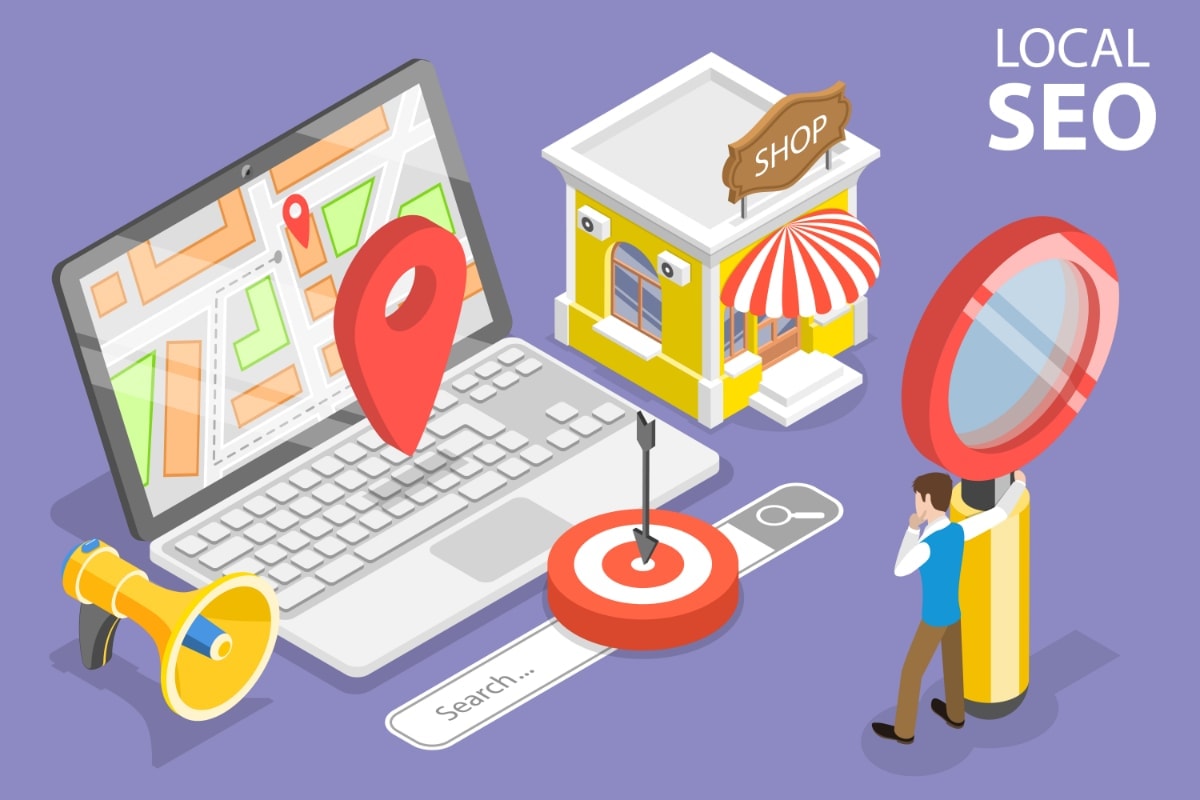
Local SEO Tips to Get More Customers Nearby. For businesses targeting a specific geographic area, Local SEO is one of the most effective ways to attract nearby customers. Whether you run a restaurant, a law firm, a dental clinic, or a boutique store, optimizing your online presence for local search can dramatically increase visibility, foot traffic, and sales. Local SEO ensures that when potential customers search for services “near me” or in a particular city, your business appears at the top of search results.
In this detailed guide, we will explore actionable local SEO tips, provide real-world examples, and answer frequently asked questions. By implementing these strategies, you can improve your local search rankings and attract more customers in your area.
What Is Local SEO?
Local SEO is the process of optimizing your website and online presence to attract customers from a specific geographic location.
How Local SEO Works
Local SEO leverages search engines, maps, and directories to connect nearby users with local businesses.
Key Elements of Local SEO
- Google Business Profile
- Local citations and directories
- Reviews and ratings
- Location-specific content
- Mobile optimization
Example
A coffee shop in Chicago appears on Google Maps when users search “coffee near me,” making it easier for locals to visit.
Why Local SEO Matters
Most local searches result in actionable outcomes like visiting a store, calling, or making a booking.
Benefits of Local SEO
- Increased foot traffic
- Higher website traffic from nearby users
- Better conversion rates
- Stronger brand visibility in your area
Example
A plumbing company optimized for “emergency plumber in Dallas” and saw a 50% increase in calls from local customers.
Optimize Your Google Business Profile
Google Business Profile (GBP) is the cornerstone of local SEO.
Claim and Verify Your Google Business Profile
Ensure your business appears on Google Maps and Search.
Steps to Claim Your GBP
- Go to Google Business Profile
- Enter business details
- Verify via phone, email, or postcard
Example
A local bakery claimed its profile and added accurate business hours, leading to more walk-ins.
Complete Every Section of Your Profile
A complete profile attracts more clicks.
Key Sections to Optimize
- Business name
- Address and phone number (NAP)
- Business hours
- Website link
- Photos and videos
- Services and categories
Add High-Quality Images
Photos increase engagement.
Image Tips
- Showcase your products or services
- Upload interior and exterior photos
- Add team or staff photos
Example
A hair salon saw a 40% increase in appointment bookings after uploading professional photos of its services.
Encourage and Respond to Reviews
Reviews influence local rankings and customer trust.
Review Best Practices
- Request reviews from satisfied customers
- Respond promptly to both positive and negative reviews
- Use customer names for a personal touch
Example
A dentist encouraged patients to leave reviews and improved its local search ranking significantly.
Optimize Your Website for Local Search
Your website must reflect your location and services to rank well.
Include Location-Specific Keywords
Use city or neighborhood names in key areas.
Where to Include Keywords
- Page titles and meta descriptions
- Headers (H1, H2)
- Body text
- Image alt tags
Example
“Best pizza in Brooklyn” in headings and content helps local users find the pizzeria.
Create Local Landing Pages
If you serve multiple locations, create separate pages for each area.
Landing Page Tips
- Include local address and phone number
- Mention local landmarks
- Add testimonials from customers in that area
Example
A real estate company created separate pages for each neighborhood, resulting in higher local traffic.
Use Schema Markup for Local SEO
Structured data helps search engines understand your business information.
LocalBusiness Schema Benefits
- Enhances search result snippets
- Shows ratings, hours, and address
- Improves click-through rate
Example
A car repair shop implemented the LocalBusiness schema and appeared in rich snippets with star ratings.
Build Local Citations
Citations are mentions of your business name, address, and phone number on other websites.
Where to Get Local Citations
- Online directories (Yelp, Yellow Pages)
- Local blogs and news websites
- Industry-specific directories
Citation Best Practices
- Ensure NAP consistency across all listings
- Avoid duplicate listings
- Update information regularly
Example
A dental clinic listed in 20 local directories and saw improved search visibility.
Focus on Mobile Optimization
Most local searches happen on mobile devices.
Mobile Optimization Tips
- Responsive website design
- Fast loading speed
- Clear call-to-action buttons
- Easy-to-use maps and directions
Example
A restaurant optimized its mobile website, resulting in a 25% increase in reservations from mobile users.
Leverage Local Content Marketing
Content helps attract local customers by addressing their specific needs.
Types of Local Content
- Blog posts about local events or news
- Guides for local services or attractions
- Customer success stories from nearby clients
Example
A yoga studio published an article titled “Top Yoga Classes in Seattle Neighborhoods,” attracting local readers.
Use Local Backlinks
Backlinks from local websites boost authority in your area.
How to Get Local Backlinks
- Collaborate with local bloggers or influencers
- Sponsor local events or charities
- Partner with nearby businesses
Example
A pet store received backlinks from a local pet blog, improving local rankings.
Optimize for Voice Search
Voice search is increasingly used for local queries.
Voice Search Optimization Tips
- Use natural language in content
- Answer common questions about your services
- Include “near me” keywords
Example
“Best pizza near me” queries on smart devices bring up optimized pizzeria websites.
Use Social Media for Local Engagement
Social media can improve visibility and attract local customers.
Social Media Tips
- Post about local events or promotions
- Engage with local followers
- Include location tags in posts
Example
A boutique shop promoted a weekend sale on Instagram with geotags and saw increased foot traffic.
Monitor and Track Local SEO Performance
Tracking results helps identify what works and what needs improvement.
Key Metrics to Track
- Google Business Profile views and clicks
- Local search rankings
- Website traffic from local searches
- Phone calls and directions clicks
- Reviews and engagement metrics
Example
A landscaping business used Google Analytics and GBP insights to adjust keywords and content, boosting leads.
Common Local SEO Mistakes to Avoid
Avoiding mistakes saves time and prevents ranking drops.
Inconsistent NAP
Incorrect addresses, phone numbers, or business names confuse search engines.
Ignoring Reviews
Lack of reviews or unresponsive behavior lowers trust and rankings.
Duplicate Listings
Duplicate listings can negatively impact search rankings.
Keyword Stuffing
Overusing location keywords reduces readability and can lead to penalties.
FAQs About Local SEO
What is a good local SEO strategy?
A good local SEO strategy combines Google Business Profile optimization, local keywords, quality content, citations, reviews, and mobile optimization.
How long does it take to see results?
Local SEO results usually appear in 3–6 months, depending on competition and effort.
Can small businesses benefit from local SEO?
Yes, small businesses often see higher ROI from local SEO than national campaigns.
Do reviews really affect local SEO?
Yes, reviews improve both rankings and trust, influencing clicks and conversions.
How often should I update my local SEO?
Regularly update your Google Business Profile, citations, content, and reviews to maintain and improve rankings.
Real-World Example of Successful Local SEO
A dental clinic in Austin:
- Claimed and optimized its Google Business Profile
- Encouraged patient reviews
- Created location-specific blog content
- Built citations across local directories
- Optimized its website for mobile
Result
Within six months, the clinic increased local search traffic by 60%, improved appointment bookings, and outranked competitors for key local keywords.
Conclusion
Local SEO is a powerful tool for attracting nearby customers and growing your business. By optimizing your Google Business Profile, using location-specific keywords, building local citations, creating valuable local content, and engaging with your community, you can improve visibility, attract more leads, and increase revenue. Regular monitoring, review management, and optimization ensure that your business stays ahead of competitors in local search results.
Local SEO is not a one-time task—it’s an ongoing strategy that builds long-term success by connecting your business with the customers who are most likely to visit, call, or buy from you.