How to Build a Digital Marketing Funnel From Scratch. In today’s digital world, simply having a website or running random ads is no longer enough to generate consistent leads and sales. Businesses need a systematic approach to guide potential customers from first discovering your brand to becoming loyal clients. That system is called a digital marketing funnel. Building a funnel from scratch allows you to plan every step of the customer journey, optimize conversions, and maximize ROI.
This comprehensive guide will walk you through the process of building a digital marketing funnel from scratch, step by step, with real-world examples, best practices, and answers to frequently asked questions. By the end, you will have the knowledge to design a funnel that drives measurable results.
What Is a Digital Marketing Funnel?
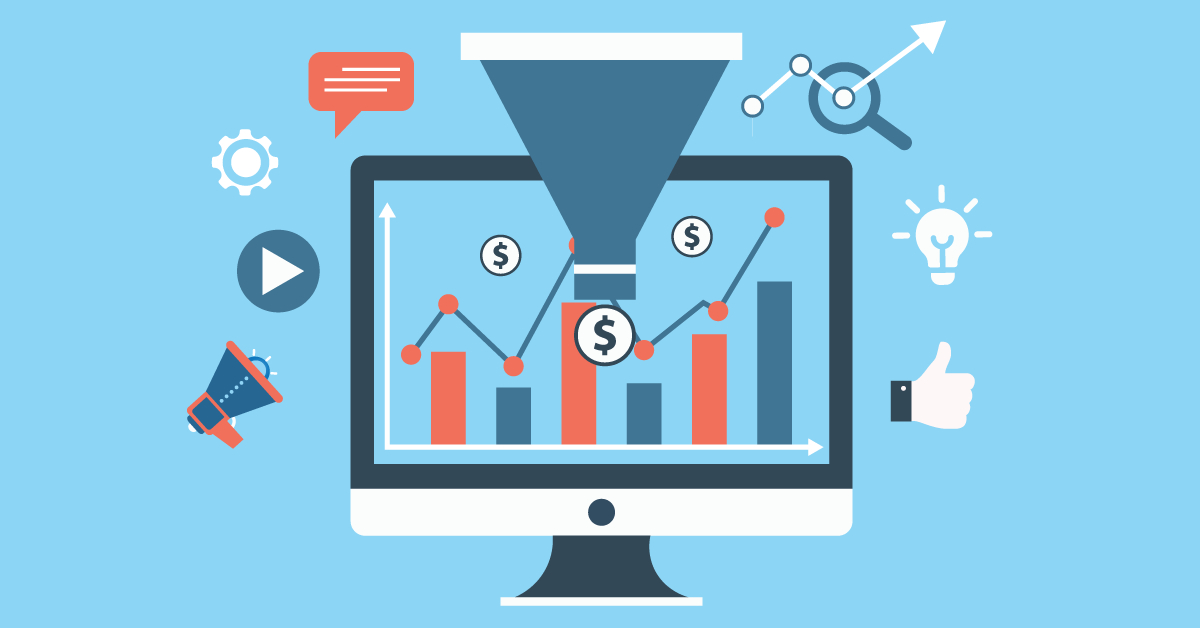
A digital marketing funnel is a structured process that leads potential customers from awareness to conversion. Think of it as a roadmap showing how prospects interact with your brand at every stage.
Stages of a Digital Marketing Funnel
- Awareness
- Interest
- Consideration
- Conversion
- Retention and Loyalty
Each stage requires different marketing strategies to move users to the next step.
Why You Need a Digital Marketing Funnel
Without a funnel, marketing efforts are disorganized, making it hard to convert leads consistently.
Benefits of a Well-Designed Funnel
- Clear understanding of the customer journey
- Increased conversion rates
- Improved ROI on marketing spend
- Enhanced customer experience
- Ability to identify and fix weak points
Example
A SaaS company using a structured funnel can track which emails, ads, or landing pages generate the most free trial sign-ups.
Step 1: Define Your Target Audience
Your funnel can only succeed if you know who your audience is.
Creating Detailed Buyer Personas
Buyer personas represent your ideal customers, helping you tailor messaging effectively.
Key Elements of a Buyer Persona
- Demographics: Age, location, gender
- Psychographics: Interests, motivations, pain points
- Buying behavior: Online habits, preferred channels
- Challenges and goals
Example
A fitness brand targets busy professionals aged 25–40 who want convenient home workouts.
Step 2: Map the Customer Journey
Understanding how prospects move from awareness to purchase is crucial.
Awareness Stage
This is when prospects first learn about your brand.
Awareness Tactics
- Blog posts optimized for search engines
- Social media posts
- Paid search and display ads
- Video content
Example
A cooking equipment brand posts short recipe videos on Instagram to attract food enthusiasts.
Interest Stage
Prospects are exploring solutions to their problem or need.
Interest Tactics
- Lead magnets such as free guides or checklists
- Educational webinars
- Engaging social media content
Example
A marketing agency offers a free “Content Calendar Template” to capture email addresses.
Consideration Stage
Prospects are comparing options and evaluating your brand.
Consideration Tactics
- Case studies and testimonials
- Product demos or free trials
- Email drip campaigns
Example
A SaaS company sends a series of emails showing how their software saves time compared to competitors.
Conversion Stage
Prospects are ready to make a purchase or take a desired action.
Conversion Tactics
- Optimized landing pages
- Clear call-to-actions (CTAs)
- Limited-time offers or discounts
Example
An e-commerce store offers a 10% discount for first-time buyers on a dedicated landing page.
Retention and Loyalty Stage
The funnel doesn’t end at the first sale; retaining customers is equally important.
Retention Tactics
- Email newsletters with exclusive offers
- Loyalty programs and reward points
- Personalized follow-ups and recommendations
Example
A subscription box company rewards customers with referral discounts to encourage repeat purchases.
Step 3: Choose the Right Digital Marketing Channels
Different funnel stages require different channels.
Awareness Channels
- SEO and content marketing
- Social media advertising
- Display ads
- Influencer collaborations
Consideration and Interest Channels
- Email marketing
- Webinars and online events
- Retargeting ads
- Product comparison guides
Conversion Channels
- Paid search ads
- High-converting landing pages
- Checkout optimization
Retention Channels
- Email newsletters
- Loyalty programs
- Social media communities
Step 4: Create High-Converting Content
Content is the fuel that moves prospects through your funnel.
Content for Awareness
- Blog posts with SEO optimization
- Infographics and visual content
- Short social media videos
Example
A digital marketing agency publishes a blog on “Top 10 Social Media Trends for 2026,” attracting organic traffic.
Content for Interest
- Lead magnets and gated content
- How-to guides and tutorials
- Engaging videos
Example
An online fitness platform offers a free “7-Day Home Workout Plan” to capture emails.
Content for Consideration
- Case studies showing measurable results
- Comparison guides
- Free trials or product demos
Example
A SaaS company shares a case study demonstrating how their software increased a client’s revenue by 30%.
Content for Conversion
- Persuasive landing pages
- Product videos and detailed descriptions
- Clear CTAs and limited-time offers
Example
A subscription box company uses urgency with a message: “Sign up today – only 50 boxes left!”
Content for Retention
- Personalized email recommendations
- Loyalty program updates
- Educational content for existing users
Example
A beauty brand sends curated skincare tips based on past purchases.
Step 5: Implement Marketing Automation
Automation helps you scale and nurture leads efficiently.
Benefits of Automation
- Sends timely messages based on behavior
- Reduces manual workload
- Increases engagement and conversions
Examples of Automated Marketing
- Drip email campaigns for new subscribers
- Abandoned cart reminders for e-commerce
- Re-engagement campaigns for inactive users
Step 6: Track Metrics and Optimize
Analyzing data helps improve funnel performance.
Key Metrics to Monitor
- Awareness stage: Website traffic, social media reach
- Interest stage: Email sign-ups, content downloads
- Consideration stage: Webinar attendance, demo requests
- Conversion stage: Sales, sign-ups, click-through rates
- Retention stage: Repeat purchases, customer lifetime value
Using Analytics to Optimize Your Funnel
- A/B test subject lines and landing pages
- Identify drop-off points in the funnel
- Adjust messaging, offers, or content accordingly
Example
A SaaS company notices that most users drop off after the free trial signup. They send an automated onboarding email series, which increases conversion to paid plans by 20%.
Step 7: Personalization in Your Funnel
Personalized experiences increase engagement and conversions.
Ways to Personalize
- Email greetings using subscriber names
- Product recommendations based on browsing history
- Segmented content based on user behavior
Example
An online bookstore recommends books based on past purchases and browsing patterns.
Step 8: Retargeting and Remarketing
Not all prospects convert immediately. Retargeting reminds them of your brand.
Retargeting Tactics
- Social media ads for abandoned carts
- Display ads for users who visited pricing pages
- Personalized email campaigns
Example
A travel agency retargets users who viewed a holiday package with a “Limited Seats Available” ad.
Step 9: Optimize Your Funnel for Mobile Users
Most users access content via mobile devices.
Mobile Optimization Tips
- Fast-loading pages
- Clear and concise CTAs
- Mobile-friendly forms
- Easy-to-read content
Example
An e-commerce store optimizes its checkout page for mobile, reducing cart abandonment by 15%.
Step 10: Continuously Test and Improve
A digital marketing funnel is never complete; it evolves with audience behavior.
Testing Methods
- A/B testing landing pages, emails, and ads
- Heatmaps to understand user behavior
- Conversion rate optimization (CRO) techniques
Why Continuous Testing Matters
- Keeps the funnel aligned with trends
- Identifies high-performing strategies
- Maximizes ROI
Real-World Example of a Digital Marketing Funnel
A small SaaS startup:
- Used a blog to attract organic traffic (awareness)
- Offered a free ebook to capture leads (interest)
- Ran webinars and case studies for prospects (consideration)
- Provided a free trial with automated onboarding emails (conversion)
- Sent personalized follow-ups and loyalty rewards (retention)
Result
The startup increased monthly leads by 200% and boosted conversions by 35% within six months.
FAQs About Building a Digital Marketing Funnel
How long does it take to build a digital marketing funnel?
It depends on complexity, but most funnels can be built in 4–6 weeks with proper planning and tools.
Do I need expensive software to build a funnel?
No, many affordable tools can help, including email marketing platforms, landing page builders, and analytics tools.
Can a small business benefit from a funnel?
Yes, even small businesses see higher leads and sales by guiding customers through a structured journey.
How often should I optimize my funnel?
Funnel optimization should be ongoing. Review performance monthly and make adjustments based on data.
What is the most important stage of a funnel?
All stages are important, but conversion and retention directly impact revenue.
Conclusion
Building a digital marketing funnel from scratch may seem complex, but breaking it into structured steps makes the process manageable. From defining your audience and mapping the customer journey to creating relevant content, implementing automation, and continuously optimizing, each stage of the funnel is designed to guide prospects toward purchase and retention. A well-built funnel increases conversions, maximizes ROI, and strengthens your relationship with customers over time. By following the steps outlined in this guide, businesses can create a powerful, data-driven digital marketing funnel that drives measurable results.