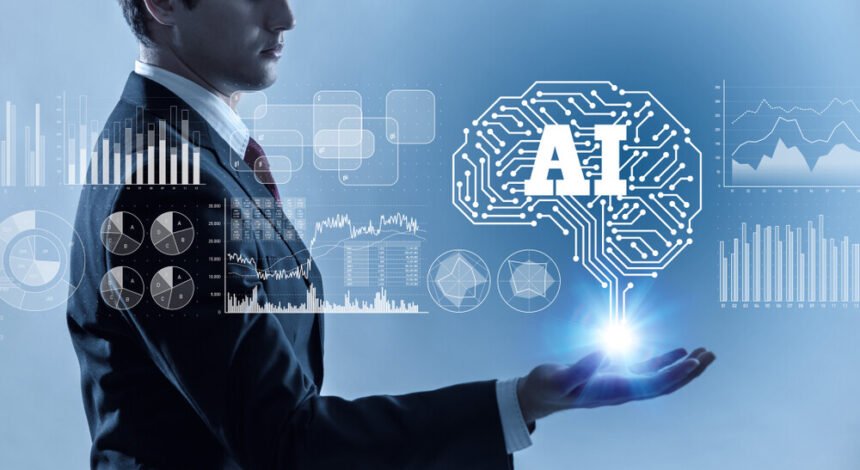
How AI Is Changing Digital Marketing Forever. Artificial Intelligence (AI) is no longer just a futuristic concept—it is actively transforming digital marketing. From content creation to customer service, AI technologies are helping businesses understand their audiences better, deliver personalized experiences, and optimize campaigns for higher ROI. Brands that adopt AI early are gaining a competitive edge, while those that ignore it risk falling behind.
In this detailed guide, we will explore how AI is changing digital marketing forever, provide real-world examples, discuss key applications, and answer frequently asked questions to help marketers leverage AI effectively.
What Is AI in Digital Marketing?
AI refers to the simulation of human intelligence in machines that are programmed to analyze data, recognize patterns, and make decisions. In digital marketing, AI uses algorithms and machine learning to automate processes, predict consumer behavior, and optimize campaigns.
Why AI Is Revolutionizing Digital Marketing
AI offers several advantages over traditional marketing approaches:
- Personalization at scale: Deliver highly targeted content and offers to individual users.
- Improved efficiency: Automate repetitive tasks like ad bidding, email segmentation, and reporting.
- Data-driven insights: Analyze massive datasets to identify trends, customer preferences, and performance gaps.
- Predictive analytics: Anticipate customer behavior and optimize campaigns before results occur.
Example
Netflix uses AI-driven recommendation engines to suggest content based on viewing behavior, resulting in higher engagement and retention.
AI-Powered Personalization
Personalization is one of the most significant ways AI impacts digital marketing.
How AI Improves Customer Personalization
AI analyzes user data such as browsing behavior, purchase history, and location to create personalized experiences.
Applications in Marketing
- Personalized product recommendations
- Dynamic website content
- Targeted email campaigns
- Tailored social media ads
Example
Amazon uses AI to show product recommendations tailored to each visitor, increasing the likelihood of purchases.
Benefits of Personalized Marketing
- Higher conversion rates
- Improved customer loyalty
- Reduced cart abandonment
- Enhanced user experience
AI in Content Creation
AI is transforming how marketers generate, optimize, and distribute content.
AI Tools for Content Generation
AI-powered tools can create blog posts, social media content, ad copy, and video scripts.
Popular AI Tools
- ChatGPT for content writing
- Jasper for marketing copy
- Copy.ai for social media captions
- Synthesia for AI-generated videos
Example
A digital marketing agency uses AI to create initial drafts of blog articles, reducing content creation time by 50%.
AI for Content Optimization
AI can optimize content for search engines, readability, and engagement.
Optimization Features
- SEO keyword suggestions
- Headline analysis
- Readability scoring
- Meta description creation
Example
HubSpot uses AI to recommend topic clusters, internal links, and on-page SEO improvements for better ranking.
AI in Social Media Marketing
Social media platforms are heavily leveraging AI for targeting and content analysis.
AI-Powered Social Media Tools
AI analyzes audience behavior and engagement to optimize social media strategies.
Key Applications
- Predicting optimal posting times
- Automating responses with chatbots
- Analyzing sentiment and engagement
- Suggesting trending topics
Example
Hootsuite and Sprout Social use AI to suggest hashtags, post timing, and content formats based on audience behavior.
AI in Email Marketing
Email marketing benefits from AI-driven automation and personalization.
How AI Enhances Email Campaigns
- Segmenting audiences based on behavior
- Sending emails at optimal times
- Writing personalized subject lines
- Predicting which offers are most likely to convert
Example
A fashion retailer uses AI to send personalized discount codes to users who browsed specific product categories, boosting email open rates by 35%.
AI in Paid Advertising
AI automates and optimizes ad campaigns for maximum ROI.
AI Applications in Advertising
- Automated bidding on Google Ads or social media ads
- Predictive targeting based on user behavior
- Dynamic ad creation and placement
- Performance analytics and budget optimization
Example
Facebook Ads Manager uses AI to deliver ads to users most likely to engage, reducing cost per acquisition (CPA).
Predictive Analytics and AI
Predictive analytics is one of AI’s most powerful applications in marketing.
How Predictive Analytics Works
AI uses historical data to forecast future behavior and campaign outcomes.
Benefits
- Identify high-value leads
- Predict customer churn
- Forecast sales trends
- Optimize marketing spend
Example
A subscription box company uses predictive analytics to anticipate which customers are likely to cancel and sends personalized retention offers, reducing churn by 20%.
AI in Customer Service
AI-powered chatbots and virtual assistants are transforming customer interactions.
Benefits of AI Chatbots
- 24/7 customer support
- Instant responses to queries
- Reduced operational costs
- Ability to handle multiple users simultaneously
Example
Sephora uses an AI chatbot on its website and social media platforms to assist customers with product recommendations and booking in-store appointments.
AI-Driven Marketing Analytics
AI helps marketers make data-driven decisions with more accuracy.
How AI Enhances Analytics
- Detects patterns and trends faster than humans
- Generates actionable insights
- Forecasts campaign performance
- Visualizes data with AI-powered dashboards
Example
Google Analytics 4 uses AI to predict user behavior and identify potential high-value audiences for remarketing campaigns.
Challenges of AI in Digital Marketing
While AI offers significant advantages, there are challenges to consider:
- Data privacy concerns: AI relies on user data, raising privacy and compliance issues.
- Over-reliance on automation: Excessive automation may reduce human creativity and authenticity.
- Implementation cost: AI tools may require investment in software and training.
- Accuracy limitations: AI predictions are only as good as the data fed into the system.
Example
A brand using AI-powered ad targeting may experience wasted ad spend if the audience data is inaccurate or outdated.
Future of AI in Digital Marketing
AI is evolving rapidly, and its influence on marketing will continue to grow.
Emerging AI Trends
- Voice and visual search optimization
- Hyper-personalization at micro-segment levels
- AI-powered augmented reality (AR) shopping experiences
- Real-time predictive content recommendations
Example
IKEA uses AI-driven AR apps to let customers visualize furniture in their homes before purchase, enhancing engagement and conversions.
Ethical Considerations in AI Marketing
Ethical use of AI is crucial for building trust and maintaining compliance.
Best Practices
- Be transparent about AI usage
- Ensure user data protection and privacy
- Avoid manipulative tactics
- Monitor AI outputs for biases or errors
Real-World Examples of AI in Digital Marketing
Spotify
Spotify uses AI algorithms to recommend playlists based on listening behavior, increasing user engagement and retention.
Starbucks
Starbucks uses AI-powered predictive analytics in its mobile app to send personalized offers, boosting customer loyalty.
HubSpot
HubSpot leverages AI to analyze content performance and suggest optimization strategies, saving time and increasing marketing efficiency.
FAQs About AI in Digital Marketing
How can small businesses use AI?
Small businesses can use AI for social media scheduling, content creation, email personalization, chatbots, and analytics without heavy investment.
Will AI replace marketers?
AI complements marketers by automating repetitive tasks and providing insights but cannot replace creativity, strategy, and human judgment.
What is the most common AI tool for marketing?
Popular tools include ChatGPT for content, HubSpot for automation, Google Analytics 4 for predictive insights, and Hootsuite for social media AI.
Is AI expensive for marketing?
Costs vary by tool and usage. Many affordable AI tools are available for small businesses and startups.
How does AI improve ROI?
AI optimizes targeting, predicts customer behavior, automates campaigns, and provides actionable insights, reducing waste and increasing conversions.
Conclusion
AI is transforming digital marketing by making it smarter, faster, and more personalized. From content creation, social media management, and email campaigns to predictive analytics, advertising, and customer service, AI allows marketers to make data-driven decisions and deliver better customer experiences.
Businesses that embrace AI now will gain a competitive edge by optimizing campaigns, improving engagement, and maximizing ROI. However, AI is a tool, not a replacement for human creativity and strategy. By combining AI-powered insights with human ingenuity, digital marketers can shape the future of marketing and stay ahead in an increasingly competitive landscape.