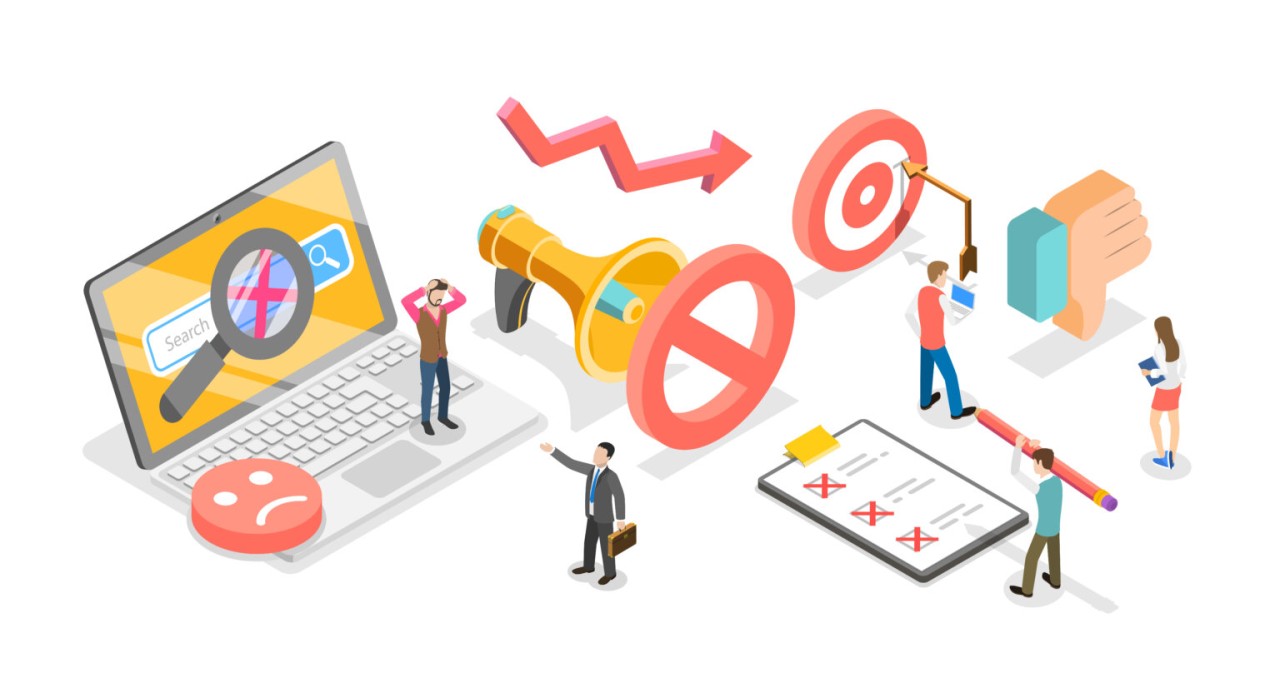
Top Mistakes That Kill Digital Marketing Campaigns. Digital marketing has become a critical part of business growth, but many campaigns fail despite significant investment in tools, ads, and content. Understanding the common mistakes that sabotage campaigns is essential for marketers looking to maximize ROI, improve engagement, and generate meaningful leads.
In this detailed guide, we will explore the top mistakes that kill digital marketing campaigns, provide real-world examples, actionable strategies to avoid them, and answer frequently asked questions.
Why Digital Marketing Campaigns Fail
Campaign failure can occur due to multiple factors, ranging from poor planning to execution errors. Common reasons include:
- Lack of clear goals and KPIs
- Misunderstanding the target audience
- Ineffective messaging or creative
- Poor tracking and analytics
- Ignoring optimization opportunities
Understanding the root causes is the first step toward building campaigns that succeed.
Mistake 1: Not Defining Clear Goals
Without clear objectives, digital marketing campaigns lack direction.
Why Goal Setting Matters
- Provides a roadmap for strategy and tactics
- Allows measurement of success
- Helps allocate resources efficiently
Common Goal-Setting Errors
- Setting vague goals like “increase traffic” without specifying numbers
- Ignoring short-term vs. long-term objectives
- Focusing solely on vanity metrics like likes or impressions
Example
A brand runs a social media campaign aiming to “go viral” without defining conversion or lead generation goals. Despite high engagement, sales remain stagnant because the campaign lacked a measurable outcome.
Mistake 2: Misunderstanding the Target Audience
Targeting the wrong audience can lead to wasted ad spend and poor results.
Why Audience Understanding Is Crucial
- Influences messaging, creative, and channels
- Increases conversion likelihood
- Reduces cost per acquisition
Tips to Understand Your Audience
- Create detailed buyer personas
- Analyze past customer behavior
- Use surveys and social listening tools
Example
A luxury brand targeting a general audience sees low engagement because its messaging does not resonate with high-income customers.
Mistake 3: Ignoring Mobile Optimization
Mobile users now account for the majority of online traffic, making mobile optimization critical.
Common Mobile Optimization Issues
- Slow-loading websites
- Poor navigation on smaller screens
- Unclear call-to-actions
- Non-responsive landing pages
Example
An e-commerce store runs ads, driving traffic to a desktop-only checkout page. Mobile users abandon carts due to usability issues, resulting in lost revenue.
Mistake 4: Poor Content Strategy
Content is the backbone of digital marketing campaigns, and weak content can kill engagement.
Signs of a Poor Content Strategy
- Irrelevant or generic content
- Lack of storytelling or emotional connection
- Over-promotion instead of value delivery
- Inconsistent posting schedule
Example
A software company publishes generic blog posts without addressing customer pain points. Traffic is low, and the content fails to generate leads or engagement.
Mistake 5: Not Using Data to Make Decisions
Data-driven marketing is essential for optimizing campaigns. Ignoring analytics leads to wasted effort and budget.
Why Analytics Matter
- Tracks performance against KPIs
- Identifies high-performing channels and content
- Reveals areas for optimization
Common Analytics Mistakes
- Focusing only on superficial metrics like impressions
- Ignoring conversion tracking
- Failing to segment audience data
Example
A brand spends thousands on ads without monitoring conversion rates. Despite high clicks, the campaign fails to generate revenue because the funnel wasn’t optimized.
Mistake 6: Overlooking SEO
Search Engine Optimization (SEO) is crucial for long-term traffic and campaign sustainability.
SEO Mistakes That Harm Campaigns
- Ignoring keyword research
- Poor on-page optimization (titles, meta descriptions, alt text)
- Duplicate or low-quality content
- Neglecting local SEO
Example
A local restaurant launches a website without optimizing for “best pizza in [city].” Competitors rank higher on Google, diverting local customers.
Mistake 7: Weak Call-to-Actions (CTAs)
Even great content and ads fail if users are not guided to take action.
How Poor CTAs Affect Campaigns
- Users don’t know the next step
- Low click-through and conversion rates
- Missed opportunities to capture leads or sales
Tips for Effective CTAs
- Use clear, action-oriented language
- Highlight benefits (e.g., “Get Your Free Guide Now”)
- Create urgency (e.g., “Limited Time Offer”)
Example
An email campaign promoting a webinar says “Click here” without explaining the value. Open rates are decent, but registrations are minimal.
Mistake 8: Failing to Test and Optimize
Many marketers launch campaigns without testing, leading to avoidable mistakes.
Importance of A/B Testing
- Compare different ad creatives, headlines, and landing pages
- Identify high-performing strategies
- Reduce risk of campaign failure
Areas to Test
- Email subject lines
- Social media ad copy
- Landing page layouts
- Call-to-action buttons
Example
A dropshipping store runs Facebook ads without testing images or headlines. Performance remains mediocre, while a simple A/B test could double conversions.
Mistake 9: Ignoring Multi-Channel Integration
Campaigns fail when channels operate in isolation instead of complementing each other.
Why Integration Matters
- Provides a seamless customer journey
- Reinforces messaging across platforms
- Improves attribution and ROI
Examples of Multi-Channel Integration
- Social media ads leading to a website landing page
- Email campaigns following up on ad clicks
- Retargeting users who abandoned shopping carts
Example
A fashion brand runs separate social media and email campaigns without linking them. Users see inconsistent messaging, leading to confusion and drop-offs.
Mistake 10: Underestimating Paid Advertising Complexity
Paid advertising can boost campaigns, but is often mismanaged.
Common Paid Ad Mistakes
- Ignoring audience targeting and segmentation
- Setting unrealistic budgets or bids
- Poor ad copy or visuals
- Neglecting tracking and optimization
Example
A startup spends $5,000 on Google Ads without negative keyword optimization. Most clicks come from irrelevant searches, wasting money and time.
Mistake 11: Neglecting Customer Engagement
Engagement drives loyalty and conversions, yet many campaigns ignore it.
How Neglecting Engagement Kills Campaigns
- Users feel disconnected
- Negative brand perception
- Reduced conversions and retention
Engagement Tactics
- Respond promptly to comments and messages
- Run interactive content like polls and quizzes
- Encourage user-generated content
Example
A brand posts on Instagram but never replies to comments. Followers disengage and reach declines due to platform algorithms favoring active interactions.
Mistake 12: Not Having a Clear Funnel or Strategy
Without a structured funnel, campaigns fail to guide users from awareness to conversion.
Importance of a Marketing Funnel
- Clarifies customer journey
- Identifies weak points in campaigns
- Optimizes conversions
Example
A SaaS company runs ads but lacks a proper funnel. Traffic visits the homepage but drops off without signing up because no lead capture strategy exists.
Mistake 13: Overlooking Retargeting Opportunities
Many campaigns fail to capture interested users who did not convert initially.
Retargeting Benefits
- Keeps your brand top-of-mind
- Encourages repeat visits
- Increases conversion likelihood
Example
An e-commerce store implements retargeting ads for users who abandoned carts, resulting in a 25% increase in sales.
Mistake 14: Ignoring Competitor Analysis
Failing to understand competitors leaves campaigns vulnerable.
Why Competitor Analysis Matters
- Reveals market trends and audience preferences
- Identifies gaps and opportunities
- Helps benchmark performance
Example
A skincare brand launches a campaign without studying competitors. Competitors’ offers and messaging outperform the new campaign, reducing effectiveness.
Mistake 15: Poor Budget Management
Even well-executed campaigns fail if budgets are mismanaged.
Common Budgeting Mistakes
- Overspending on low-performing channels
- Ignoring allocation for testing
- Failing to track ROI
Example
A startup spends 80% of its budget on social ads without analyzing performance. High spend doesn’t translate into leads or sales.
Real-World Case Study: Campaign Failure
A small e-commerce store launched a digital campaign:
- Goal: Increase online sales
- Errors: Poor targeting, unoptimized mobile site, weak CTAs, no retargeting
- Result: High traffic but almost zero conversions
- Solution: Redefined target audience, improved landing pages, added retargeting, and A/B tested ads
- Outcome: Sales increased by 150% within two months
This example shows how common mistakes compound but can be corrected with data-driven adjustments.
FAQs About Digital Marketing Mistakes
What is the most common mistake in digital marketing?
Failing to define clear goals and KPIs is one of the most common mistakes.
How can I avoid wasting ad spend?
Target the right audience, A/B test ads, monitor performance, and optimize campaigns continuously.
Does content marketing require constant updates?
Yes, content should be optimized for SEO, engagement, and relevance to maintain effectiveness.
How often should I analyze campaign data?
Weekly or monthly analysis is recommended, depending on campaign size and budget.
Can small businesses avoid these mistakes?
Yes, with proper planning, strategy, and use of analytics tools, small businesses can avoid most common pitfalls.
Conclusion
Digital marketing campaigns fail for a variety of reasons, but many failures are preventable. Common mistakes include undefined goals, poor audience targeting, weak content, ignored analytics, and neglected mobile optimization. By avoiding these errors, testing and optimizing campaigns, integrating channels, and monitoring performance, marketers can significantly increase ROI and drive meaningful results.
A successful digital marketing campaign is not just about spending money on ads or publishing content. It is about strategic planning, audience understanding, continuous improvement, and delivering value. Avoid these top mistakes, and your campaigns will be better positioned to succeed in today’s competitive digital landscape.