Android vs iOS: Which Phone Should You Buy in 2025?
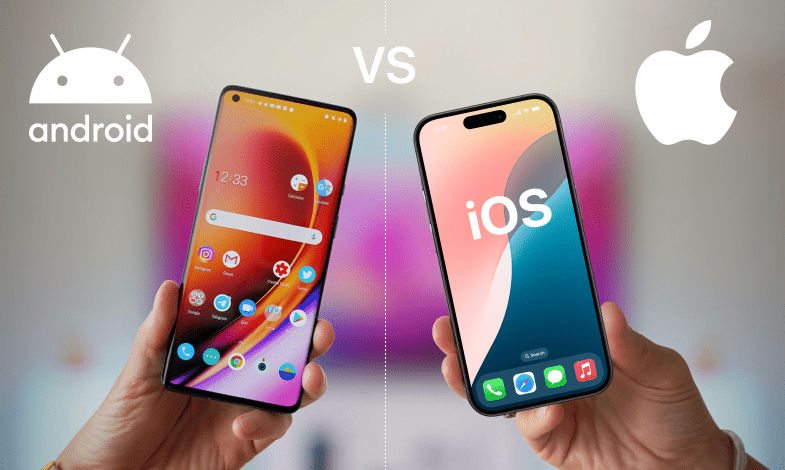
In the world of smartphones, the biggest debate continues to be: Android vs iOS, which is better? If you’re in the market for a new phone and feeling overwhelmed by choices, you’re not alone.
Whether it’s Samsung vs iPhone, or Pixel vs iPhone, choosing between Android and iOS isn’t just about design or branding—it’s about how you interact with your digital life. In this blog post, we break down everything you need to know to make an informed decision and choose the platform that best suits your lifestyle, preferences, and budget.
Let’s settle the debate: Android or iPhone, which phone should you buy in 2025?
🔍 Quick Comparison: Android vs iOS
| Feature | Android | iOS (iPhone) |
|---|---|---|
| Customization | Highly customizable | Limited customization |
| Price Range | $100 – $2000+ | $429 (iPhone SE) to $1599 (Pro Max) |
| App Store Flexibility | Google Play + sideloading allowed | Apple App Store only |
| Software Updates | Varies by brand/model | Regular & timely for all devices |
| Ecosystem Integration | Good with Google, less seamless | Excellent (iCloud, Mac, AirPods) |
| User Interface (UI) | Varies by manufacturer | Consistent across devices |
| Widgets & Launchers | Fully customizable | Limited widget support |
| Voice Assistant | Google Assistant | Siri |

🛠️ Customization: Android Wins
If you like tweaking your phone’s appearance or behavior, Android offers far more flexibility. You can change:
- Themes
- Icons
- Launchers
- Widgets
- Even install custom ROMs (if you’re tech-savvy)
iOS offers limited customization, though Apple has gradually allowed some features like custom widgets and lock screen personalization. However, it’s still nowhere near Android’s capabilities.
Winner: Android
💸 Price & Device Variety: Android Offers More Options
One of Android’s biggest advantages is the wide range of devices at every price point:
- Budget: Motorola, Realme, Poco, Infinix
- Mid-range: Google Pixel A-series, Samsung Galaxy A series
- Flagship: Samsung Galaxy S series, OnePlus, Pixel 8 Pro
iPhones, by contrast, are limited in variety and generally priced higher. The most affordable iPhone, the iPhone SE, starts at around $429, while the Pro models exceed $1,000.
Winner: Android (especially if you’re on a budget)
🔄 Software Updates: iOS Takes the Lead
Apple provides consistent, timely updates across all its devices, including models that are 5+ years old. For example, the iPhone 11 (released in 2019) still receives the latest iOS updates.
- Android updates depend on the manufacturer. While Google Pixel and Samsung have improved, many budget Android phones receive delayed or no updates.
Winner: iOS
📲 App Experience: Smooth and Secure on iOS
Both platforms have access to millions of apps, but:
- iOS apps tend to be better optimized and more secure.
- Many developers prioritize iOS before releasing on Android.
- Android allows sideloading apps, which increases flexibility, but can pose security risks if not done carefully.
- If you want freedom, Android wins. If you prioritize security and polished apps, iOS leads.
Winner: Tie (depends on your priority, freedom, or security)
🔄 Ecosystem: Apple’s Integration is Unmatched
If you own other Apple devices (Mac, iPad, Apple Watch), the iPhone becomes a powerful hub. Features like:
- Handoff (start work on one device, continue on another)
- AirDrop for fast file sharing
- Universal Clipboard, iMessage, FaceTime
- Seamless pairing with AirPods and Apple Watch
- Android offers good integration with Google services (Docs, Gmail, Drive) and Wear OS watches, but it’s fragmented across brands.
Winner: iOS (if you’re in the Apple ecosystem)
🤖 Voice Assistant & AI: Android’s Google Assistant is Smarter
Google Assistant consistently outperforms Siri in:
- Understanding context
- Executing complex tasks
- Integrating with third-party apps
- With the rise of AI-powered features in Android 14 and Google Pixel’s AI tools, Android is becoming more powerful in smart suggestions, automatic summaries, and voice interactions.
Winner: Android
🔋 Battery Life & Charging: Android Gives You More Control
Many Android phones offer:
- Faster charging (up to 120W)
- Reverse wireless charging
- USB-C universal compatibility
- iPhones are catching up in battery life, but still use Lightning (or Type-C starting with iPhone 15), charge slower, and don’t offer advanced power-saving features like some Android phones do.
Winner: Android
📸 Camera: Both Platforms Are Incredible
Both iOS and Android offer excellent cameras. The choice depends on your needs:
- iPhone: Great for video recording, cinematic mode, consistency
- Pixel/Samsung: Often better for low-light photography, AI-enhanced features, astrophotography
- Photography is subjective, but Android phones offer more variety and features, especially in flagship models.
Winner: Tie (but Android offers more choices)

💬 User Experience & Simplicity: iOS is More Polished
If you’re not tech-savvy and want a consistent, smooth experience, iOS delivers that. Everything just works.
- Android has a steeper learning curve if you dive into customization. Some users find iOS more intuitive and less cluttered.
Winner: iOS (for simplicity)
🧠 Which One Should YOU Buy?
Buy an iPhone (iOS) if you:
- Want long-term software updates
- Already own Apple devices
- Prefer polished apps and simplicity
- Don’t mind spending a little more
Buy an Android phone if you:
- Want more options for your budget
- Love customizing your phone
- Prefer Google services and smarter AI
- Need specific hardware features (expandable storage, headphone jack, etc.)
🧾 Final Verdict: It Depends on YOU
There’s no one-size-fits-all answer in the Android vs iOS debate. The best phone for you depends on your:
- Budget
- Lifestyle
- Tech habits
- Preferred apps and ecosystem
Both Android and iOS have matured into powerful platforms. In 2025, it’s not about which one is better, but which one is better for YOU.