
The Best Top 10 Mobile Manufacturing Companies in the World
Explore the top 10 mobile manufacturing companies in the world for 2026, ranked by global market share, innovation, and reach. Discover what makes each brand unique and why they matter in the smartphone industry.
Why It Matters: Ranking Mobile Manufacturers in 2026
In 2026, the global smartphone industry is more dynamic than ever. With new technologies in AI, 5G, foldable designs, and emerging markets, knowing the leading manufacturers can guide smart purchasing, review analysis, and business strategy. Here’s how the top 10 stack up based on market share and global presence.
Top 10 Mobile Phone Manufacturers by Market Share (2026)
According to Electronics & You, in 2026, these brands will lead the world’s smartphone market:
| Rank | Brand | Market Share | Origin Country |
|---|---|---|---|
| 1 | Samsung | 21.4% | South Korea |
| 2 | Apple | 20.7% | USA |
| 3 | Xiaomi | 12.6% | China |
| 4 | Oppo | 9.8% | China |
| 5 | Vivo | 8.3% | China |
| 6 | Transsion | 6.5% | China |
| 7 | Realme | 4.5% | China |
| 8 | Huawei | 3.1% | China |
| 9 | Motorola | 1.9% | USA (Lenovo) |
| 10 | Honor | 1.4% | China |
Samsung — Market Leader & Innovation Powerhouse
- Market Share: ~20–21.4% globally
Why It Stands Out:
Samsung holds the top spot with extensive product lines, ranging from budget to flagship, and leading-edge foldables like the Galaxy Z Fold and Z Flip. Recently, it launched the ultra-slim Galaxy S25 Edge, pushing the envelope in design and AI features.
- Pro: Strong global presence, regular software updates, innovation in display tech.
- Consideration: Premium models are pricey, and software consistency varies across mid-tier models.

Apple — Premium Leader with Ecosystem Strength
- Market Share: ~19–20.7% globally
Why It Stands Out:
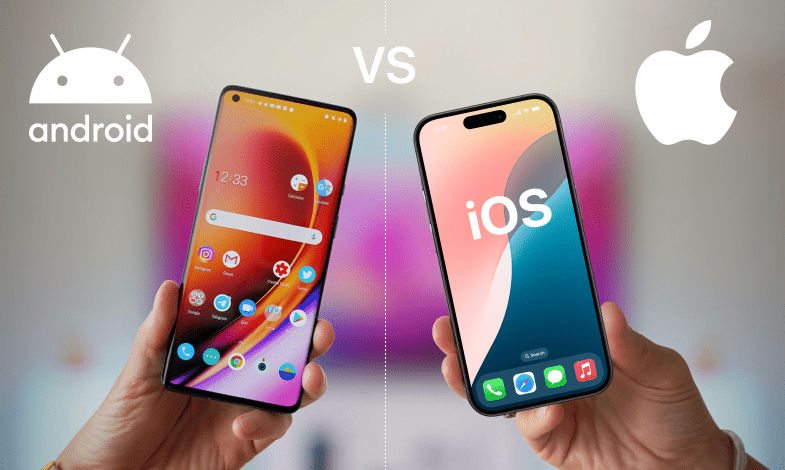
Apple’s tightly integrated hardware-software experience—bolstered by AI-led iOS enhancements and sustainability efforts—keeps it as a global powerhouse.
- Pro: Unmatched resale value, consistent updates, ecosystem synergy.
- Consideration: Higher cost and less customizability than Android brands.
Xiaomi — Value & Momentum Leader
- Market Share: ~11–14% globally
Why It Stands Out:
Xiaomi maintains strong momentum with high-spec, competitively priced devices from the flagship Mi series to the affordable Redmi lines.
- Pro: Great value, innovation in fast charging, and camera sensors.
- Consideration: Fragmented software experience across regions.
Oppo — Camera & Design Specialist
Market Share: ~8–9.8% globally
Why It Stands Out:
Oppo excels with creative camera modules and stylish product design. Its parent company also owns Realme, boosting reach.
- Pro: Camera innovation, strong presence in Asia.
- Consideration: Software bloat and pricing can be inconsistent.
Vivo — Imaging & Sports Marketing Giant
Market Share: ~7–8.3% globally
Why It Stands Out:
Vivo collaborates with Zeiss for camera systems and sponsors major sports leagues, increasing brand recognition.
- Pro: Strong hardware specs, creative camera UX.
- Consideration: Limited global support and software UI consistency.
Transsion Holdings — Emerging Market Champion
Market Share: ~6.5–9.9% globally
Why It Stands Out:
Transsion brands like Tecno and Infinix dominate African and South Asian markets through localized features, long battery life, and affordability.
- Pro: Deep emerging market insights, tailored hardware, regional dominance.
- Consideration: Limited brand presence and support outside focus areas.
Realme — Young & Aggressive Competitor
Market Share: ~4–4.5% globally
Why It Stands Out:
Realme targets digital-first youth with aggressive pricing, stylish design, and fast refresh products.
- Pro: Budget performance, trend-forward features.
- Consideration: Software oversaturation and rapid release cycle can create fragmentation.
Huawei — Resilient from Sanctions
Market Share: ~3–3.5% globally
Why It Stands Out:
Despite U.S. sanctions, Huawei rebounded with strong domestic OPS, HarmonyOS adoption, and R&D focus.
- Pro: Innovation in camera tech and local supply chains.
- Consideration: Ongoing global restrictions limit its international presence.
Motorola (Lenovo) — Niche & Nostalgia Appeal
Market Share: ~1.9–2.8% globally
Why It Stands Out:
Motorola focuses on edge markets and foldables (Razr series), riding nostalgia and recent growth, especially in Australia.
- Pro: Iconic brand, focus on mid-tier value, foldables.
- Consideration: Smaller R&D resources compared to giants.

Honor — Independent Yet Growing Fast
Market Share: ~1.4–3.5% globally
Why It Stands Out:
Formerly part of Huawei, Honor now operates independently and continues pushing competitive specs with new designs and budget options.
- Pro: Strong design, competitive pricing.
- Consideration: Brand rebuild phase with evolving global distribution.
Why Market Share Matters for You
Understanding top manufacturers helps in choosing a phone with:
- Strong software support and frequent updates
- Resale value and brand reliability
- Access to accessories and repairs
- Innovation stay-ahead features
- Electronics and You
Future Trends & Market Movements
- Samsung vs Apple remains tight, with Samsung at ~20% and Apple close behind at ~19% in Q1 2026.
- Xiaomi and Transsion continue gaining share globally and regionally.
- Emerging market dynamics (e.g., India, Africa) fuel growth for adaptable brands like Transsion, Xiaomi, and Realme.
- Sony’s mobile future remains uncertain—rumors of exit despite brand legacy persist.

Final Thoughts: Choosing the Right Brand for You
- Samsung: Overall leader—innovation, support, product variety
- Apple: Seamless ecosystem and premium experience
- Xiaomi, Oppo, Vivo: Strong specs with affordability
- Transsion, Realme: Go-to for emerging market value
- Huawei: Resilience amid restrictions, strong tech
- Motorola, Honor: Nostalgic and emerging competition
The ideal choice aligns with your budget, preferred ecosystem, and regional support.


