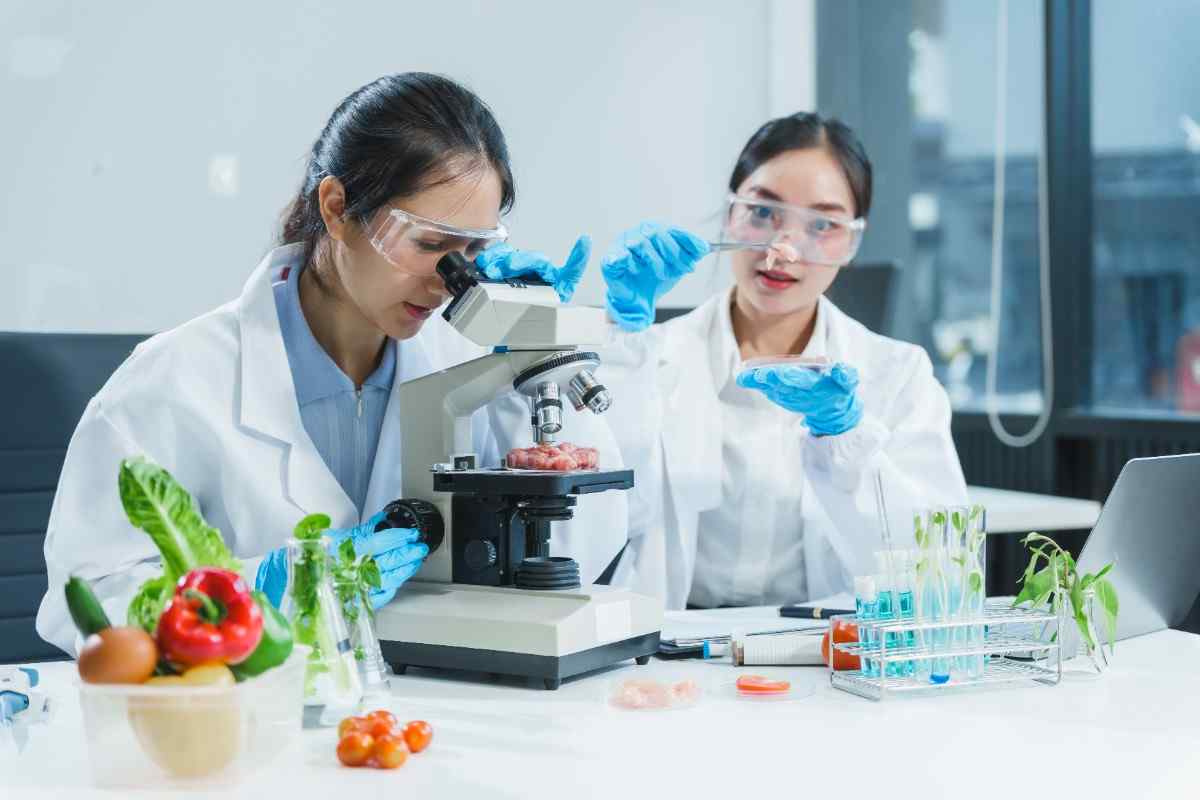
Future of Food: How Science Is Changing What We Eat. The way we produce, process, and consume food is undergoing a revolutionary transformation. Advances in science and technology are reshaping the food industry, offering innovative solutions to feed a growing global population, reduce environmental impact, and enhance human health. From lab-grown meats to precision agriculture and bioengineered crops, science is changing not only what we eat but also how we think about nutrition, sustainability, and food security.
This article explores the science behind the future of food, its innovations, benefits, challenges, and frequently asked questions.
The Science Behind Modern Food Innovations
Scientific research is at the heart of the future of food, combining biology, chemistry, genetics, and technology to create new possibilities.
Key Scientific Principles in Food Innovation
- Cellular Agriculture: Growing meat and dairy products from animal cells without raising livestock.
- Genetic Engineering: Modifying plants for higher yields, nutrition, or disease resistance.
- Biotechnology and Microbiology: Fermentation and enzyme technology for alternative protein production.
- Food Chemistry: Enhancing taste, texture, and shelf life of processed foods.
- Sustainable Agriculture Technologies: Precision farming and AI-driven crop management.
Emerging Food Technologies
The future of food relies on technological innovations that address sustainability, health, and resource efficiency.
Lab-Grown Meat
Also known as cultured or cell-based meat, lab-grown meat is produced by culturing animal cells in a controlled environment.
Example: Companies like Memphis Meats and Mosa Meat produce beef, chicken, and duck without traditional livestock farming.
Benefits:
- Reduces greenhouse gas emissions and land use
- Eliminates animal slaughter
- Provides controlled, disease-free meat
Plant-Based Alternatives
Plant-based proteins mimic the taste and texture of meat using legumes, grains, and other plant ingredients.
Example: Beyond Meat and Impossible Foods create burgers and sausages that replicate meat flavor and texture.
Benefits:
- Lower environmental footprint compared to animal farming
- Cholesterol-free and high in fiber
- Scalable for growing populations
Precision Fermentation
Microorganisms are engineered to produce proteins, fats, or flavor compounds identical to those found in animal products.
Example: Perfect Day uses yeast fermentation to produce dairy proteins for milk, cheese, and ice cream.
Benefits:
- Reduces reliance on animals for dairy
- Energy-efficient and low-emission production
- Enables creation of novel flavors and nutrients
Gene-Edited Crops
CRISPR and other gene-editing technologies improve crop resilience, nutrition, and yield.
Example: Gene-edited tomatoes with increased vitamin D content or disease-resistant wheat varieties.
Benefits:
- Higher crop productivity with fewer resources
- Enhanced nutritional content for global health
- Reduced pesticide and fertilizer usage
Insect Protein
Edible insects are a high-protein, low-resource food source, gaining popularity in protein bars, snacks, and animal feed.
Example: Companies like Chapul and Exo produce cricket protein powders for human consumption.
Benefits:
- Efficient feed-to-protein conversion
- Low greenhouse gas emissions
- Rich in protein, vitamins, and minerals
Vertical Farming and Hydroponics
Vertical farms grow crops in stacked layers using controlled lighting, nutrients, and water systems.
Example: AeroFarms and Plenty produce leafy greens and herbs year-round in urban environments.
Benefits:
- Uses 95% less water than traditional farming
- Reduces land and transportation requirements
- Enables pesticide-free, urban-grown produce
Edible Packaging
Innovative edible and biodegradable packaging reduces plastic waste in the food industry.
Example: Ooho produces seaweed-based edible water pods as alternatives to plastic bottles.
Benefits:
- Reduces environmental pollution
- Biodegradable and sustainable
- Can incorporate nutrients or flavors into packaging
Personalized Nutrition
Advances in nutrigenomics and AI allow for diet plans tailored to individual genetic profiles, metabolism, and health goals.
Example: Nutrigenomic companies analyze DNA and gut microbiome data to recommend optimized diets.
Benefits:
- Promotes preventive healthcare and wellness
- Improves nutrient absorption
- Reduces risk of diet-related diseases
How Science Is Addressing Food Sustainability
The global population is expected to reach 10 billion by 2050, requiring sustainable food production solutions.
Reducing Environmental Impact
Lab-grown meat, plant-based proteins, and precision fermentation significantly reduce greenhouse gas emissions and resource use compared to traditional livestock farming.
Example: Cultured beef produces up to 90% fewer greenhouse gases than conventional beef.
Efficient Resource Use
Vertical farming, hydroponics, and aeroponics minimize water, land, and fertilizer usage while maximizing yield.
Example: Hydroponic tomato farms can produce up to 10 times more per square meter than soil-based farms.
Food Waste Reduction
AI-driven supply chain management, smart packaging, and predictive analytics reduce spoilage and optimize food distribution.
Example: Winnow’s AI technology helps commercial kitchens track and reduce food waste.
Nutrient-Rich Foods for All
Biofortified crops and functional foods help combat malnutrition and micronutrient deficiencies.
Example: Golden rice enriched with vitamin A addresses vitamin deficiency in developing countries.
Health Implications of Future Food
Scientific food innovations aim to improve human health and well-being.
Reducing Chronic Diseases
Plant-based diets and lab-grown alternatives lower saturated fat intake and cardiovascular risks.
Example: Replacing red meat with plant-based proteins reduces the risk of heart disease and type 2 diabetes.
Personalized Dietary Recommendations
Genetic and microbiome data guide personalized nutrition plans that improve metabolism and nutrient absorption.
Example: AI-driven apps suggest meal plans based on blood sugar response and gut health.
Functional and Fortified Foods
Nanotechnology and bioengineering enhance vitamins, minerals, and probiotics in everyday foods.
Example: Nano-encapsulation allows probiotics in beverages to survive digestion and improve gut health.
Allergen-Free Innovations
Scientific techniques remove allergens from common foods, making them safer for sensitive populations.
Example: CRISPR-edited peanuts lack the proteins that trigger allergic reactions.
Benefits of Science in the Future of Food
Sustainability
Reduced reliance on traditional livestock and resource-efficient farming methods lowers environmental impact.
Health and Nutrition
Innovations enhance nutrient density, reduce harmful components, and support personalized diets.
Accessibility
Urban farming, vertical farming, and lab-grown foods make fresh, nutritious foods available in densely populated areas.
Food Security
Gene-edited crops and alternative proteins ensure a stable food supply despite climate change or resource limitations.
Innovation and Consumer Choice
Scientific advancements provide a variety of flavors, textures, and formats, increasing diversity in the food system.
Challenges in Future Food Technology
Despite its potential, the future of food faces technical, economic, and social challenges:
Regulatory Hurdles
Lab-grown meats, gene-edited crops, and novel foods must navigate complex food safety regulations.
Example: The FDA and USDA regulate cultured meats in the United States, ensuring safety and labeling compliance.
Consumer Acceptance
Cultural preferences and perceptions of “unnatural” foods can slow adoption.
Example: Some consumers hesitate to try lab-grown meat despite its environmental benefits.
Cost and Scalability
Producing alternative proteins and lab-grown foods at scale remains expensive.
Example: Early cultured meat products cost hundreds of dollars per pound but are expected to decrease over time.
Ethical Considerations
Ethical debates surround genetically modified foods, lab-grown meat, and synthetic biology.
Example: Concerns include animal welfare, ecological impact, and long-term health effects.
Examples of Future Food Innovations in Action
- Impossible Burger: Plant-based burger designed to mimic meat flavor and texture.
- Memphis Meats Cultured Chicken: Lab-grown meat using animal cells.
- AeroFarms Vertical Farming: Indoor, pesticide-free leafy greens production.
- Perfect Day Dairy Proteins: Lab-produced milk and cheese proteins without cows.
- CRISPR Golden Rice: Vitamin A-fortified rice to combat malnutrition.
These examples demonstrate how science is transforming the food landscape from production to consumption.
Frequently Asked Questions About Future Food
What is lab-grown meat, and is it safe to eat?
Lab-grown meat is produced by culturing animal cells in a lab. It is regulated by food authorities for safety and is free from antibiotics and hormones used in conventional livestock.
Are plant-based proteins healthier than meat?
Plant-based proteins are generally lower in saturated fat and cholesterol and are rich in fiber, making them heart-friendly. However, nutrient profiles vary depending on ingredients.
Will alternative foods reduce environmental impact?
Yes. Lab-grown meat, plant-based proteins, and vertical farming require fewer resources and generate fewer greenhouse gases than conventional food production.
Can gene-edited crops improve nutrition?
Yes. Gene editing can enhance the vitamin, mineral, and protein content in crops, addressing nutrient deficiencies.
How soon will futuristic foods become mainstream?
Many innovations, like plant-based burgers, are already widely available. Lab-grown meat and personalized nutrition are expected to become more mainstream over the next 5–10 years as costs decrease.
Conclusion
Science is transforming what we eat, from the farm to our plates. Lab-grown meats, plant-based proteins, precision fermentation, gene-edited crops, vertical farms, and personalized nutrition are reshaping the food landscape. These innovations offer solutions to global challenges such as climate change, food security, and public health.
While regulatory, ethical, and cost challenges remain, the potential benefits of scientific food innovations are immense. By embracing the future of food, we can enjoy healthier diets, reduce environmental impact, and create sustainable food systems that feed a growing population.
The future of food demonstrates that science is not just improving how we eat—it is redefining the relationship between humans, nature, and technology, paving the way for a sustainable, nutritious, and innovative food ecosystem.