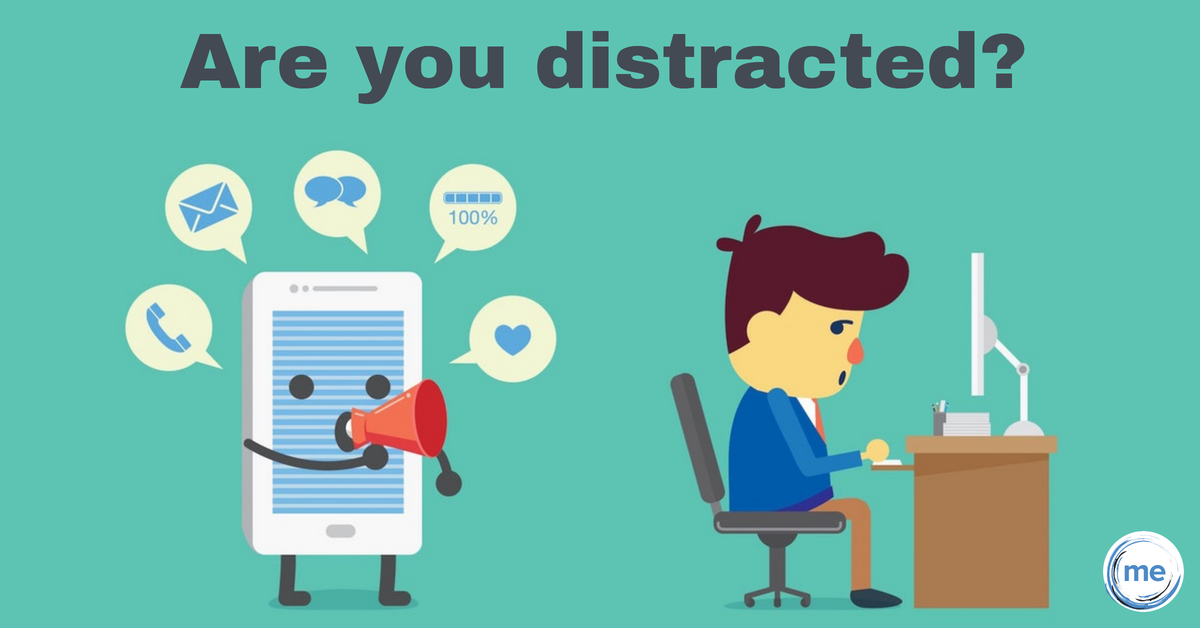
How to Improve Focus in a Distracted World. In today’s digital era, distractions are everywhere. Smartphones, social media, notifications, emails, and multitasking demands pull our attention in multiple directions. As a result, maintaining focus has become a rare but essential skill. Whether you’re studying, working, or pursuing personal goals, improving focus is crucial for productivity, mental clarity, and overall success.
This guide provides practical strategies to improve focus in a distracted world, along with real-life examples and FAQs to help you regain control over your attention.
Understanding Focus
Focus is the ability to concentrate on a task, idea, or activity without being easily distracted. It involves both mental effort and self-discipline.
Why Focus is Important
- Increases productivity and efficiency
- Enhances learning and memory retention
- Reduces mistakes and stress
- Helps achieve long-term goals
Example:
A student who focuses on a single task, like solving math problems for 30 minutes, learns faster than someone constantly checking their phone while studying.
Focus vs Multitasking
Multitasking often feels productive, but it reduces the quality of attention.
- Focused work leads to depth and mastery
- Multitasking leads to errors and mental fatigue
Common Causes of Distraction
Understanding distractions is the first step to improving focus.
Digital Distractions
- Social media notifications
- Emails and instant messages
- Unnecessary apps or browser tabs
Environmental Distractions
- Noisy surroundings
- Interruptions from family or coworkers
- Cluttered workspace
Internal Distractions
- Overthinking or stress
- Fatigue or lack of sleep
- Hunger or physical discomfort
Example:
Checking social media during work not only takes time but also reduces concentration, making it harder to resume tasks.
Step 1: Create a Distraction-Free Environment
Your environment directly impacts focus.
How to Minimize External Distractions
- Use noise-canceling headphones or listen to soft background music
- Work in a quiet, dedicated workspace
- Remove unnecessary items from your desk
Digital Environment Tips
- Turn off non-essential notifications
- Use website blockers to limit distracting sites
- Keep the phone out of reach while working
Example:
Turning off notifications for social media apps during study sessions can reduce interruptions and improve task completion speed.
Step 2: Use Time Management Techniques
Managing your time helps maintain focus and structure your day.
Pomodoro Technique
- Work for 25 minutes, then take a 5-minute break
- After 4 sessions, take a longer break (15–30 minutes)
Why it works:
Short, timed sessions encourage sustained attention and prevent burnout.
Time Blocking
- Schedule specific blocks for tasks
- Avoid overlapping tasks
- Include breaks to refresh your mind
Example:
From 9–11 am: focused writing
11–11:15 am: short break
11:15–1 pm: problem-solving tasks
Step 3: Prioritize Tasks
Focusing on what truly matters reduces mental clutter.
How to Prioritize
- Use the Eisenhower Matrix:
- Urgent and important
- Important but not urgent
- Urgent but not important
- Neither urgent nor important
- Focus on high-priority tasks first
Example:
Writing a report due tomorrow (urgent and important) comes before replying to casual messages (low priority).
Step 4: Practice Mindfulness
Mindfulness improves attention by training your mind to stay in the present.
Mindfulness Techniques
- Deep breathing exercises
- Meditation for 5–15 minutes daily
- Body scans and awareness exercises
Example:
Taking 5 deep breaths before starting work can help you refocus your mind and prepare for concentrated effort.
Benefits
- Reduces mental chatter
- Improves emotional regulation
- Enhances long-term attention span
Step 5: Reduce Multitasking
Multitasking divides your attention and reduces focus.
How to Focus on One Task
- Commit to completing one task at a time
- Use “do not disturb” mode on devices
- Limit open tabs or projects simultaneously
Example:
A programmer focusing on one coding module at a time completes it faster and makes fewer errors than switching between multiple modules.
Step 6: Take Care of Your Physical Health
Your body impacts your ability to focus.
Key Habits
- Get 7–9 hours of quality sleep
- Exercise regularly to boost energy and cognitive function
- Eat brain-friendly foods (nuts, fruits, vegetables, omega-3s)
- Stay hydrated
Example:
Skipping meals or sleep can make concentration difficult, even during short tasks. Regular nutrition and rest improve sustained focus.
Step 7: Use the “Single Task” Strategy
The brain works best when concentrating on one task at a time.
How to Apply
- Write down one priority for the session
- Avoid switching tasks until completion
- Reward yourself after completing it
Example:
A student studying for an exam writes notes for one chapter before moving to the next, increasing retention.
Step 8: Take Breaks Strategically
Breaks are essential for mental rejuvenation.
Effective Break Techniques
- 5–10 minutes for light stretching or walking
- Step away from screens during breaks
- Use breaks to refresh, not distract
Example:
After 50 minutes of focused work, a short walk can restore energy and improve attention for the next session.
Step 9: Practice Mental Training Exercises
Exercises can improve focus over time.
Techniques
- Sudoku, puzzles, and memory games
- Reading without interruption for set periods
- Visualization exercises for attention control
Example:
Practicing memory recall for 10 minutes daily strengthens the brain’s ability to concentrate.
Step 10: Reduce Information Overload
Too much information overwhelms the brain and reduces focus.
How to Manage Information
- Limit social media and news consumption
- Unsubscribe from irrelevant emails
- Focus on one source of information at a time
Example:
Instead of scrolling through multiple news websites, dedicate 20 minutes in the morning to check reliable news sources.
Step 11: Use Focus Anchors
Anchors help maintain concentration by linking tasks with cues.
How to Use Anchors
- Set rituals before work (like a cup of tea or a brief stretch)
- Listen to a specific type of music for focus
- Use visual cues like a clean desk or timer
Example:
Opening a dedicated “focus playlist” before work signals your brain it’s time to concentrate.
Step 12: Train Your Brain for Delayed Gratification
The ability to delay gratification strengthens focus and reduces distraction.
How to Practice
- Avoid instant rewards during tasks
- Use small incentives after completing work
- Gradually increase focus duration
Example:
Instead of checking social media mid-study, reward yourself with a 5-minute scroll after 50 minutes of uninterrupted work.
Step 13: Use Accountability
Being accountable helps maintain focus and consistency.
How to Apply
- Share goals with a friend or mentor
- Join study or work groups
- Track progress publicly or in a journal
Example:
A student announces daily study goals to a friend. Knowing someone will check progress keeps them focused.
Step 14: Limit Decision Fatigue
Making too many decisions reduces mental energy and focus.
How to Reduce Decision Fatigue
- Plan meals, outfits, and routines in advance
- Automate repetitive tasks
- Limit choices when possible
Example:
Having a set morning routine reduces the mental effort of deciding what to do first, leaving energy for important tasks.
Step 15: Practice Reflection
Regular reflection improves focus by helping you understand distractions and successes.
Reflection Techniques
- End-of-day journaling
- Weekly review of accomplishments and distractions
- Adjust strategies based on observations
Example:
Writing about moments of distraction helps identify triggers and develop better habits next week.
Real-Life Examples of Improved Focus
Example 1: Student Focus
A student studying for final exams uses Pomodoro sessions, eliminates phone distractions, and keeps a clean desk. Result: higher retention and less stress.
Example 2: Workplace Productivity
An employee working remotely uses time blocking, visual anchors, and breaks strategically, completing tasks faster and reducing mistakes.
Example 3: Creative Work
A writer practicing daily reading, single-task writing sessions, and meditation improves attention span, producing better quality work consistently.
Common Mistakes People Make When Trying to Focus
- Attempting to multitask
- Overloading with tasks and information
- Skipping breaks or rest
- Ignoring physical and mental health
- Relying solely on motivation instead of structure
FAQs About Improving Focus
Can focus be improved at any age?
Yes. Focus is a skill that can be strengthened through practice, habits, and environment optimization.
How long does it take to improve focus?
Small improvements can appear within weeks. Consistent habits lead to noticeable changes in 2–3 months.
Does meditation really help focus?
Yes. Meditation trains the mind to stay in the present, reduces distractions, and improves attention span.
Can diet impact focus?
Absolutely. Proper nutrition, hydration, and avoiding excessive sugar improve mental clarity and attention.
Is multitasking always bad for focus?
Yes. Multitasking reduces the quality of work, increases errors, and increases mental fatigue.
What is the most effective technique to improve focus?
Eliminating distractions, using time-blocking or Pomodoro techniques, and practicing mindfulness are among the most effective.
Conclusion
Improving focus in a distracted world requires a combination of habits, environment optimization, mental training, and self-awareness. Key strategies include:
- Creating a distraction-free workspace
- Prioritizing tasks and using time management techniques
- Practicing mindfulness and single-tasking
- Maintaining physical health and reducing decision fatigue
- Using accountability, reflection, and focus anchors
Focus is not a natural trait for everyone, but it can be trained. By applying these strategies consistently, you can regain control over your attention, increase productivity, reduce stress, and achieve your goals with clarity.
Remember: the world will always have distractions, but with the right habits and mindset, you can train your mind to focus on what truly matters.


