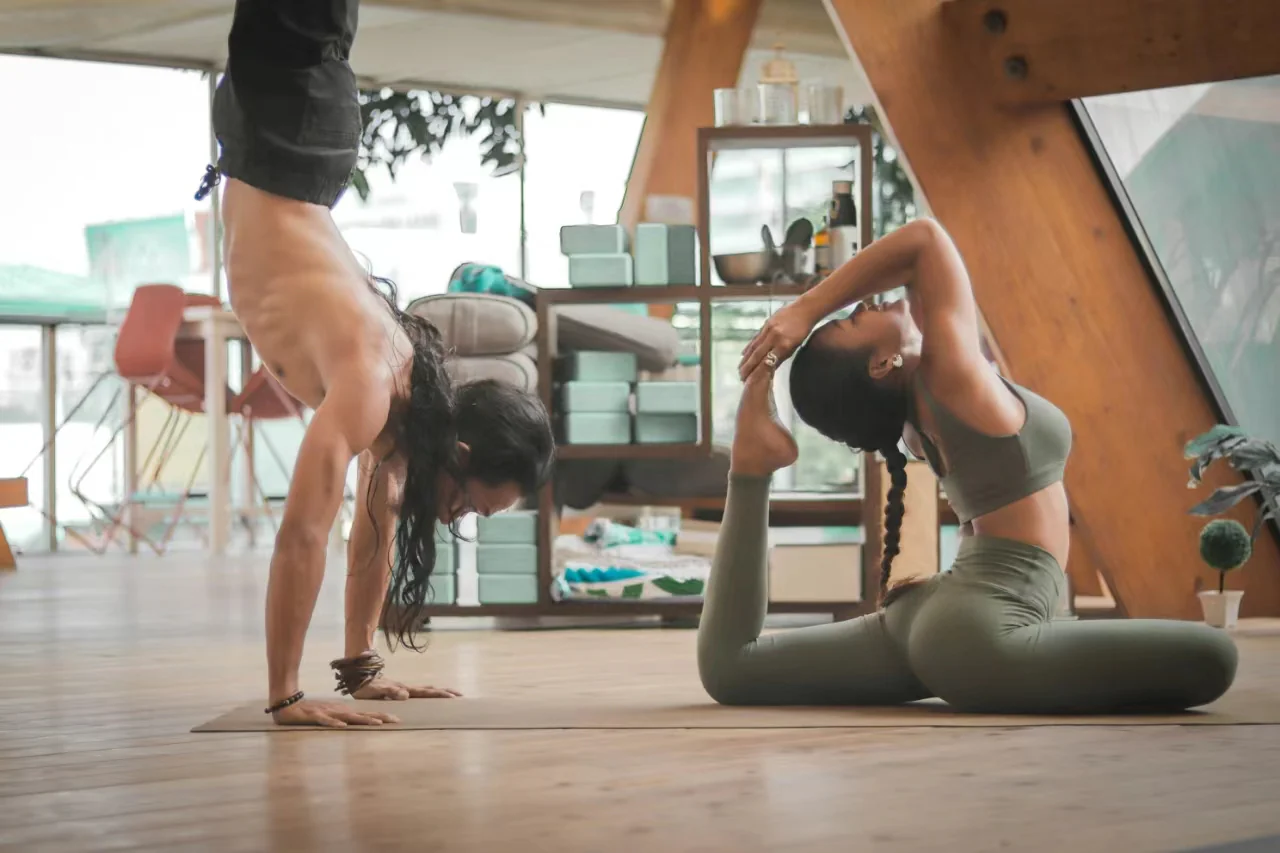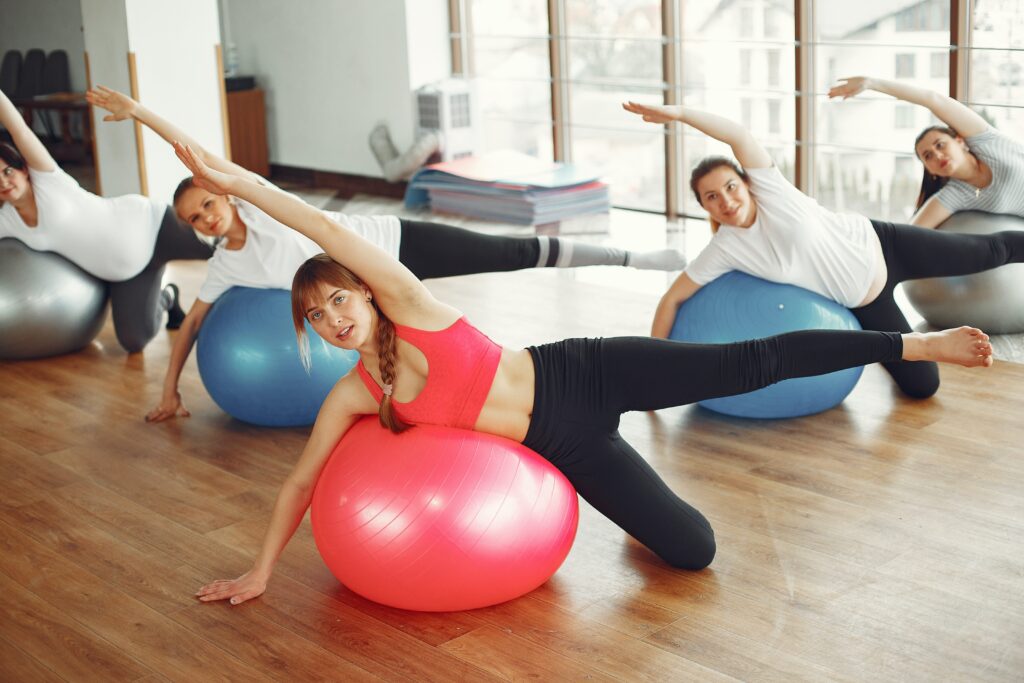
Yoga vs Pilates: Which Workout Is Right for You? Choosing the right workout can feel overwhelming, especially with so many options available. Two popular choices are Yoga and Pilates. Both focus on improving strength, flexibility, and mind-body connection, but they have distinct differences in purpose, style, and benefits. Understanding these differences can help you select the practice that aligns best with your fitness goals, lifestyle, and preferences.
This detailed guide explores Yoga vs Pilates, including their origins, health benefits, typical workouts, sample routines, and guidance for choosing the best practice for you. You’ll also find frequently asked questions and examples to help you make an informed decision.
Understanding Yoga
Yoga is an ancient practice that originated in India thousands of years ago. It combines physical postures, breathing techniques, and meditation to enhance overall well-being.
Core Principles of Yoga
- Breath control (pranayama)
- Physical postures (asanas)
- Meditation and mindfulness
- Balance of mind, body, and spirit
Types of Yoga
- Hatha Yoga: Focuses on basic postures and gentle movement
- Vinyasa Yoga: Flow-based, linking movement with breath
- Ashtanga Yoga: Structured, fast-paced sequences
- Yin Yoga: Slow-paced, deep stretching
- Restorative Yoga: Relaxation and recovery
Benefits of Yoga
- Increases flexibility and balance
- Strengthens muscles
- Reduces stress and promotes relaxation
- Improves posture and body awareness
- Supports mental clarity and focus
Typical Yoga Session
- Warm-up with breathing exercises
- Sequence of asanas, often flow-based
- Cool down with stretching or meditation
Example: A 60-minute Vinyasa class might include sun salutations, standing poses, core work, and final relaxation in Savasana.
Understanding Pilates
Pilates is a modern exercise system developed by Joseph Pilates in the early 20th century. It focuses on controlled movements, core strength, and overall body alignment.
Core Principles of Pilates
- Core engagement (“powerhouse”)
- Controlled and precise movements
- Concentration and focus
- Proper alignment and posture
- Breathing to support movement
Types of Pilates
- Mat Pilates: Performed on a mat using bodyweight
- Reformer Pilates: Uses a machine with springs and pulleys
- Clinical Pilates: Focuses on rehabilitation and corrective exercises
Benefits of Pilates
- Strengthens core and stabilizing muscles
- Improves posture and spinal alignment
- Enhances balance and coordination
- Supports injury prevention and rehabilitation
- Increases flexibility and muscle tone
Typical Pilates Session
- Warm-up with breathing and core activation
- Sequence of controlled exercises for core, arms, legs, and back
- Cool down with stretches and relaxation
Example: A 45-minute mat Pilates class may include hundreds, bridges, planks, leg circles, and spine stretch exercises.
Key Differences Between Yoga and Pilates
While Yoga and Pilates share similarities, such as emphasizing controlled movement and mind-body awareness, they differ in focus, style, and intent.
Focus and Goals
- Yoga emphasizes flexibility, mental relaxation, and spiritual connection
- Pilates emphasizes core strength, alignment, and muscle control
Movement Style
- Yoga often incorporates static holds, flowing sequences, and meditative pacing
- Pilates focuses on repetitive, precise movements and controlled breathing
Breathing Techniques
- Yoga breathing varies by practice style and often includes deep, diaphragmatic breaths for relaxation
- Pilates breathing is lateral, with ribcage expansion to support core activation
Equipment
- Yoga generally requires minimal equipment (mat, blocks, straps)
- Pilates may use mats or specialized equipment like reformers, resistance bands, or balls
Mental Component
- Yoga integrates meditation, mindfulness, and spiritual aspects
- Pilates primarily focuses on body mechanics, alignment, and concentration
Benefits of Yoga vs Pilates: A Comparison
Understanding the specific benefits of each practice can help you choose based on your goals.
Yoga Benefits
- Stress reduction and mental clarity
- Flexibility and joint mobility
- Mindfulness and relaxation
- Full-body strength using body weight
- Improved posture and balance
Pilates Benefits
- Stronger core and stabilizing muscles
- Better posture and spinal alignment
- Improved athletic performance
- Injury prevention and rehabilitation support
- Enhanced balance and coordination
Which Workout Is Better for Strength?
Both practices build strength, but the approach differs.
- Yoga: Builds functional strength through bodyweight poses, isometric holds, and balance challenges
- Pilates: Targets core and stabilizing muscles, emphasizing controlled strength and alignment
Example: A plank in yoga may focus on endurance and full-body engagement, while a Pilates plank includes precise core activation and alignment for maximal core strength.
Which Workout Is Better for Flexibility?
Flexibility is a key component of both practices.
- Yoga: Prioritizes deep stretching and dynamic flow, improving overall flexibility
- Pilates: Incorporates controlled lengthening and mobility, but less intense than yoga for stretching
Example: Yoga poses like downward dog or pigeon pose improve hamstring and hip flexibility more effectively than typical Pilates exercises.
Which Workout Is Better for Stress Relief?
Both practices offer stress-relieving benefits, but they approach it differently.
- Yoga: Meditation, deep breathing, and restorative poses promote relaxation and mental calm
- Pilates: Focused movement and breathing support concentration, reducing mental tension but less meditative
Sample Yoga Routine for Beginners
Duration
30-45 minutes
Sequence
- Warm-up with seated breathing (5 minutes)
- Cat-Cow stretch for spine mobility (5 reps)
- Sun Salutations (5 rounds)
- Standing poses: Warrior I, II, Triangle pose (2-3 minutes each)
- Balance poses: Tree pose, or Eagle pose (30-60 seconds per side)
- Floor poses: Seated forward bend, bridge, spinal twist
- Cool-down: Savasana (5-10 minutes)
Sample Pilates Routine for Beginners
Duration
30-40 minutes
Sequence
- Warm-up: Pelvic tilts and breathing exercises (5 minutes)
- Hundred exercise for core engagement (1-2 minutes)
- Leg circles (10 per leg)
- Roll-up or spine stretch (5 reps)
- Plank or modified plank for shoulder and core strength (30-60 seconds)
- Side leg lifts (10-15 reps per side)
- Cool-down: Spine twist and gentle stretches (5 minutes)
Combining Yoga and Pilates
Some people choose to blend both practices for a balanced approach.
Example Hybrid Routine
- Warm-up: Pilates core activation (5 minutes)
- Flow sequence: Yoga sun salutations (10 minutes)
- Strength segment: Pilates planks, bridges, leg lifts (10 minutes)
- Flexibility: Yoga stretches (5 minutes)
- Cool-down: Meditation and breathing (5 minutes)
This combination improves strength, flexibility, posture, and mental focus.
Choosing the Right Practice Based on Your Goals
If Your Goal Is Stress Reduction
- Yoga is ideal due to its meditation and relaxation techniques
If Your Goal Is Core Strength
- Pilates emphasizes core stabilization and muscle control
If Your Goal Is Flexibility and Mobility
- Yoga provides a greater range of motion and dynamic stretching
If Your Goal Is Posture and Injury Prevention
- Pilates targets spinal alignment, core, and stabilizing muscles
Equipment Needed for Yoga vs Pilates
- Yoga: Mat, blocks, straps, blankets
- Pilates: Mat, resistance bands, small ball, or reformer for advanced practice
Beginners can start with just a mat for both practices.
Tips for Beginners
- Start with 2-3 sessions per week
- Focus on form and breathing before increasing intensity
- Use online videos or guided classes to learn proper techniques
- Listen to your body to avoid injury
Frequently Asked Questions (FAQs)
Can I do both Yoga and Pilates?
Yes. Combining both practices can improve strength, flexibility, and mental focus.
Is Pilates easier than Yoga?
Pilates is generally less intense for flexibility but may be more challenging for core strength. “Ease” depends on fitness level and class intensity.
How long should a session last?
Beginners can start with 20-30 minutes. Intermediate or advanced sessions may last 45-60 minutes.
Which burns more calories, Yoga or Pilates?
Dynamic Yoga styles like Vinyasa or Power Yoga may burn more calories than Mat Pilates. Pilates primarily targets muscle strength and posture.
Can Yoga or Pilates help with weight loss?
Yes, when combined with proper nutrition and consistency. Yoga improves metabolism and reduces stress, while Pilates tones muscles, supporting overall calorie burn.
Final Thoughts
Both Yoga and Pilates offer unique benefits and can complement each other in a balanced fitness routine. Yoga emphasizes flexibility, mindfulness, and relaxation, while Pilates focuses on core strength, alignment, and controlled movement. Choosing the right practice depends on your goals, lifestyle, and personal preference.
For beginners, starting with two to three sessions per week of either practice is ideal. Over time, you can blend both practices to enjoy improved strength, flexibility, posture, and mental well-being. By understanding your body and goals, you can create a sustainable and effective mind-body workout routine that delivers long-term results.