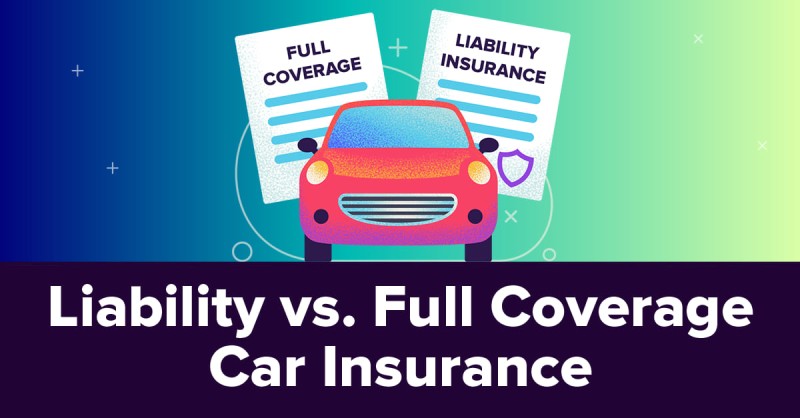
Choosing the right type of car insurance is one of the most important financial decisions every driver makes. The wrong coverage can leave you paying thousands of dollars out of pocket after an accident, while the right coverage can protect both your vehicle and your finances. One of the most common questions drivers ask is: “Does full coverage or liability insurance save more money?”
The answer is not as simple as choosing the cheapest monthly premium. Real savings come from understanding risk, long-term costs, and how insurance protects you when something goes wrong.
This in-depth guide explains everything you need to know about full coverage vs liability insurance, with examples, comparisons, and FAQs to help you make the smartest choice.
What Is Liability Insurance?
Liability insurance is the most basic type of auto insurance required by law in most states. It pays for injuries and property damage you cause to other people in an accident where you are at fault.
What Liability Insurance Covers
Liability insurance has two main parts:
Bodily Injury Liability
This pays for:
- Medical bills for injured drivers, passengers, or pedestrians
- Lost wages
- Legal fees if you are sued
Property Damage Liability
This pays for:
- Repair or replacement of the other person’s car
- Damage to fences, buildings, or other property
What liability insurance does not cover is equally important.
What Liability Insurance Does Not Cover
Liability insurance does not pay for:
- Damage to your own car
- Your medical bills
- Theft or vandalism
- Damage from weather or natural disasters
If your car is damaged or destroyed, you pay for it yourself.
What Is Full Coverage Insurance?
“Full coverage” is not a specific policy type. It usually means you have liability insurance plus two additional coverages:
- Collision coverage
- Comprehensive coverage
Together, these protect your own vehicle as well as other people.
What Full Coverage Includes
Collision Coverage
This pays for damage to your car when you collide with:
- Another vehicle
- A tree
- A pole
- A building
- Any object
It applies regardless of who caused the accident.
Comprehensive Coverage
This covers non-collision damage, such as:
- Theft
- Vandalism
- Fire
- Floods
- Falling objects
- Animal collisions
- Storm damage
Full coverage protects you from most types of financial loss related to your vehicle.
The Cost Difference Between Full Coverage and Liability
One of the main reasons people choose liability insurance is that it is much cheaper than full coverage.
Why Liability Insurance Costs Less
Liability insurance only protects other people. Since the insurer does not have to pay for damage to your car, the risk is much lower, and so are the premiums.
Why Full Coverage Costs More
Full coverage includes expensive claims such as:
- Replacing a stolen vehicle
- Paying for collision repairs
- Fixing hail or flood damage
These claims can cost thousands of dollars, which makes premiums higher.
Which Option Actually Saves More Money?
This is where most drivers get confused. A lower monthly payment does not always mean more savings.
Let’s break it down.
Liability Insurance Saves Money When
Liability insurance usually saves more money if:
- Your car is old and has low value
- You can afford to replace your car if it is totaled
- You drive very little
- Your vehicle is already paid off
In these cases, paying extra every month for full coverage may not make financial sense.
Full Coverage Saves Money When
Full coverage saves more money when:
- Your car is new or expensive
- You still owe money on your car loan
- You cannot afford a major repair or replacement
- You live in an area with theft, storms, or heavy traffic
Even though you pay more each month, full coverage can save you from losing tens of thousands of dollars.
Real-Life Cost Comparison: Full Coverage vs Liability Insurance
Let’s look at a realistic example.
Example 1: Old Car With Low Value
Maria drives a 12-year-old sedan worth $3,000.
- Liability insurance costs $60 per month
- Full coverage costs $150 per month
That is an extra $90 per month, or $1,080 per year.
If Maria’s car is totaled, insurance would pay about $3,000 after the deductible. After just three years of paying full coverage, she would have paid more than the value of the car. In this case, liability insurance saves more money.
Example 2: New Car With High Value
David drives a 2024 SUV worth $28,000.
- Liability insurance costs $80 per month
- Full coverage costs $190 per month
That is an extra $110 per month, or $1,320 per year.
If David’s car is stolen or totaled, full coverage could pay close to $28,000. Even after five years of extra premiums, the insurance still protects far more value than it costs. In this case, full coverage saves more money.
How Deductibles Affect Your Savings
Your deductible is the amount you pay before insurance covers the rest.
Higher Deductible = Lower Premium
If you choose a higher deductible, your monthly premium will be lower. This can make full coverage more affordable.
Lower Deductible = More Protection
A lower deductible means you pay less out of pocket after a claim, but your premium will be higher.
Finding the right balance is key to maximizing savings.
How Car Value Changes the Decision
Your car’s value is the most important factor in choosing between full coverage and liability.
When to Drop Full Coverage
Most financial experts suggest dropping full coverage when:
- Your car’s value is less than 10 times the annual premium
- The cost of insurance is close to the value of the car
For example, if your car is worth $4,000 and full coverage costs $1,000 per year, it may no longer be worth it.
How Loans and Leasing Change Everything
If your car is financed or leased, your lender almost always requires full coverage.
Why?
Because they want their money protected if the car is damaged or totaled. Even if you want liability only, you may not have a choice until the loan is paid off.
Which Option Is Riskier? : Full Coverage vs Liability Insurance
Liability insurance is much riskier because:
- You pay for all repairs to your own car
- You receive nothing if your car is stolen
- You must cover all weather and animal damage
Full coverage reduces financial risk because it protects both you and your vehicle.
How to Choose the Right Option for You
Ask yourself these questions:
- How much is my car worth?
- Can I afford to replace my car tomorrow?
- Do I live in a high-risk area?
- Is my vehicle financed?
Your answers will point you to the right choice.
Mistakes That Cost Drivers Money
Choosing Liability Just to Save on Monthly Bills
Many drivers choose liability insurance only because it is cheaper upfront. Then one accident wipes out years of savings.
Keeping Full Coverage on a Worthless Car
Paying full coverage on a car worth $2,000 is often throws money away.
How to Lower Costs With Either Option
No matter which coverage you choose, you can save money by:
- Increasing your deductible
- Bundling auto and home insurance
- Maintaining a clean driving record
- Shopping for quotes every year
- Taking defensive driving courses
FAQs About Full Coverage vs Liability Insurance
Is full coverage always better than liability?
Not always. Full coverage is better for expensive or financed vehicles. Liability is better for low-value cars you can afford to replace.
Can I switch from full coverage to liability?
Yes, if your car is paid off. Always consider the value of your car before switching.
Does full coverage cover my medical bills?
Not always. That usually requires personal injury protection or medical payments coverage.
Is liability insurance enough to drive legally?
Yes, in most states, liability insurance meets legal requirements. However, it does not protect your own car.
Can full coverage prevent financial disaster?
Yes. It protects you from losing your vehicle due to accidents, theft, or natural disasters.
Final Verdict
So, which one saves more money — full coverage or liability insurance?
The real answer is this:
- Liability insurance saves money if your car is cheap and easily replaceable
- Full coverage saves money if your car is valuable and you need financial protection
The smartest choice depends on your car, your finances, and your risk tolerance. When you choose the right coverage for your situation, you save more than just money — you protect your future.