How to Start a Blog for Beginners (Step-by-Step)
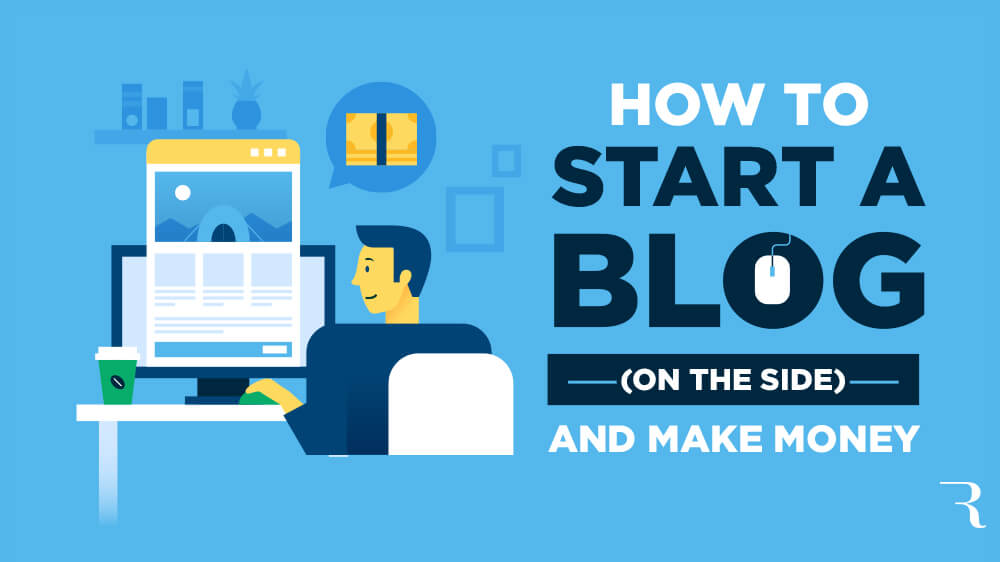
Starting a blog is one of the most effective ways to share knowledge, build an online presence, and even earn money online. Whether you want to blog as a hobby, grow a personal brand, or create a full-time business, blogging is still highly relevant in today’s digital world. The good news is that you do not need to be a technical expert to start a blog.
This step-by-step beginner-friendly guide explains exactly how to start a blog from scratch. You will learn how to choose a niche, select a domain name, set up hosting, design your blog, write content, promote your posts, and avoid common mistakes. Real-world examples and FAQs are included to help you get started with confidence.
What Is a Blog?
A blog is a website where content is regularly published in the form of posts or articles. Blog posts are usually written in an informal or informative tone and often focus on a specific topic or niche.
Blogs can be personal, educational, professional, or business-oriented. Common blog topics include travel, technology, health, food, finance, education, and lifestyle.
Why Start a Blog?
There are many reasons beginners choose to start a blog.
Share Knowledge and Passion
A blog allows you to share your ideas, experiences, and expertise with a global audience.
Build an Online Presence
Blogging helps establish authority in your niche and builds trust with readers.
Earn Money Online
Blogs can generate income through ads, affiliate marketing, sponsored posts, and digital products.
Improve Skills
Blogging improves writing, research, marketing, and communication skills.
Step 1: Choose a Blogging Niche
The first and most important step is choosing the right niche.
What Is a Blogging Niche?
A niche is the main topic your blog focuses on. Choosing a clear niche helps attract a specific audience and improves search engine rankings.
How to Choose the Right Niche
Consider the following factors:
- Your interests and passion
- Your knowledge or experience
- Audience demand
- Monetization potential
Examples of Popular Blogging Niches
- Personal finance
- Health and fitness
- Technology and gadgets
- Travel and lifestyle
- Food and recipes
- Online education
- Digital marketing
Choosing a niche you enjoy writing about increases long-term consistency.
Step 2: Pick a Domain Name
A domain name is your blog’s address on the internet.
Tips for Choosing a Good Domain Name
- Keep it short and simple
- Make it easy to spell and remember
- Avoid numbers and special characters
- Try to reflect your niche or brand
Example Domain Names
- HealthyLivingGuide.com
- TechWithAlex.com
- SmartMoneyJourney.com
A good domain name helps create a strong first impression.
Step 3: Choose a Blogging Platform
A blogging platform is software that allows you to create and manage your blog.
Best Blogging Platform for Beginners
WordPress is the most popular blogging platform and is beginner-friendly.
Why WordPress is recommended:
- Easy to use
- Thousands of themes and plugins
- SEO-friendly
- Full control over your content
Other platforms exist, but WordPress offers the best flexibility for long-term growth.
Step 4: Get Web Hosting
Web hosting is a service that stores your blog files and makes them accessible online.
What to Look for in a Hosting Provider
- Fast loading speed
- Good customer support
- High uptime
- Easy WordPress installation
Example Hosting Setup
Many beginners choose shared hosting plans because they are affordable and suitable for new blogs.
Once hosting is purchased, connect it to your domain name and install WordPress.
Step 5: Install and Set Up WordPress
After setting up hosting, install WordPress.
Basic WordPress Setup Steps
- Choose a username and password
- Set your site title and tagline
- Configure basic settings like time zone and language
WordPress provides a dashboard where you manage posts, pages, and settings.
Step 6: Choose a Blog Theme
A theme controls your blog’s design and layout.
How to Choose the Right Theme
- Mobile-friendly design
- Fast loading speed
- Simple navigation
- Customization options
Free vs Paid Themes
Free themes are great for beginners. Paid themes offer advanced features and support.
Choose a clean and professional design that matches your niche.
Step 7: Install Essential Plugins
Plugins add functionality to your blog.
Important Plugins for Beginners
- SEO plugin for search optimization
- Security plugin for protection
- Caching plugin for speed
- Backup plugin for data safety
Plugins help improve performance, security, and user experience.
Step 8: Create Important Pages
Before writing blog posts, create essential pages.
Must-Have Blog Pages
- About page to introduce yourself
- Contact page for communication
- Privacy policy page for legal compliance
- Terms and conditions page
These pages build trust and credibility.
Step 9: Write Your First Blog Post
Now it’s time to publish content.
How to Write a Blog Post for Beginners
- Choose a topic your audience cares about
- Research keywords related to the topic
- Write in a clear and simple language
- Use headings and short paragraphs
- Add examples and images
Example Blog Post Ideas
- How to save money as a beginner
- Best travel tips for first-time travelers
- Simple fitness routines for busy people
Focus on solving problems and providing value.
Step 10: Optimize Your Blog for SEO
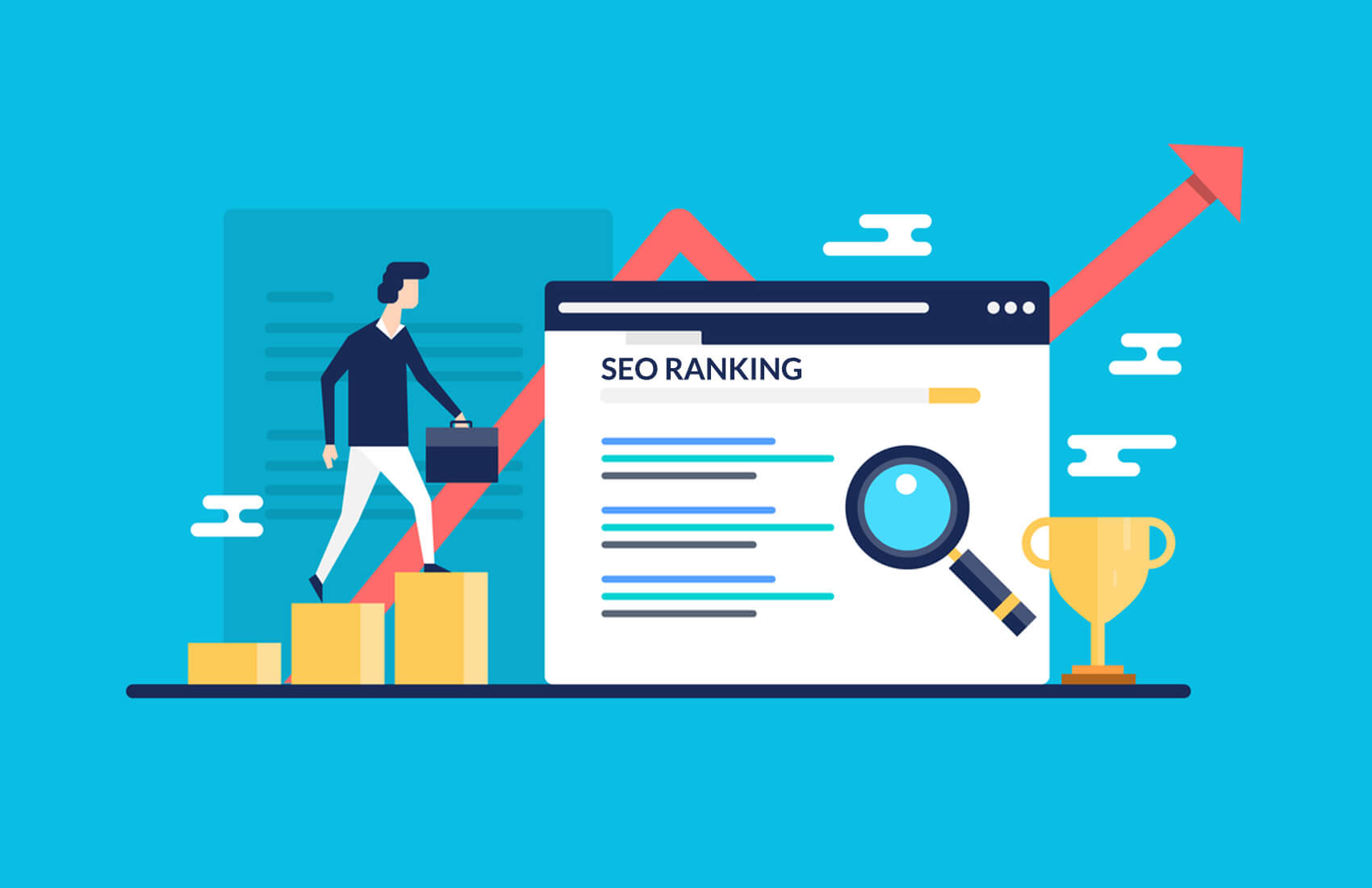
Search engine optimization helps your blog rank higher on search engines.
Basic SEO Tips for Beginners
- Use keywords naturally
- Write descriptive titles and meta descriptions
- Use internal links
- Optimize images
- Improve page loading speed
SEO helps attract organic traffic over time.
Step 11: Promote Your Blog
Publishing content is not enough. Promotion is essential.
Ways to Promote Your Blog
- Share posts on social media
- Join online communities and forums
- Build an email list
- Guest post on other blogs
Promotion increases visibility and readership.
Step 12: Stay Consistent and Improve
Consistency is key to blogging success.
Blogging Consistency Tips
- Create a content schedule
- Update old posts regularly
- Learn from analytics
- Engage with readers through comments
Blogging is a long-term effort that rewards patience.
Common Blogging Mistakes to Avoid
Choosing Too Broad a Niche
A narrow focus helps attract the right audience.
Ignoring SEO
SEO is essential for organic traffic growth.
Inconsistent Posting
Irregular posting makes it harder to build an audience.
Giving Up Too Early
Most blogs take months to show results.
How Long Does It Take to Make Money from a Blog?
Blogging income depends on effort, niche, and strategy.
- Some bloggers earn within 3–6 months
- Others take a year or more
- Consistency and quality matter most
Income grows as traffic increases.
Monetization Options for Beginners
Affiliate Marketing
Promote products and earn commissions.
Display Advertising
Earn money by showing ads on your blog.
Sponsored Content
Brands pay for sponsored posts.
Digital Products
Sell ebooks, courses, or templates.
Example Blogging Journey
A beginner starts a food blog sharing simple recipes. After six months of consistent posting and SEO optimization, the blog begins receiving organic traffic. With affiliate links and ads, the blogger starts earning passive income.
This example shows how patience and strategy lead to success.
FAQs About Starting a Blog
Is blogging still worth it for beginners?
Yes, blogging is still valuable and profitable when done correctly with quality content and SEO.
Do I need technical skills to start a blog?
No, most blogging platforms are beginner-friendly and require minimal technical knowledge.
How much does it cost to start a blog?
You can start a blog with a small budget, mainly covering domain and hosting costs.
How often should beginners post on a blog?
Posting one to two quality articles per week is ideal for beginners.
Can I start a blog while working full-time?
Yes, many successful bloggers started part-time.
What should I write about as a beginner?
Write about topics you know well and that help solve reader problems.
Final Thoughts on How to Start a Blog for Beginners
Starting a blog may seem overwhelming at first, but by following a step-by-step approach, anyone can create a successful blog. From choosing the right niche to writing valuable content and promoting your work, each step plays an important role.
Blogging is a journey that requires patience, learning, and consistency. If you stay committed and focus on helping your audience, your blog can grow into a powerful platform for sharing ideas, building influence, and generating income. Start today, and take your first step toward becoming a successful blogger.