
Top 10 Tips for Healthy Eating with Diabetes: A Complete Guide
Managing diabetes doesn’t mean giving up delicious food. Instead, it’s about making smarter, healthier choices that help keep your blood sugar levels stable while still enjoying your meals. Whether you’ve been recently diagnosed or have been managing diabetes for years, healthy eating is key to controlling the condition. In this article, we’ll explore the top 10 tips for healthy eating with diabetes, tailored to fit any lifestyle and supported by science.
1. Understand the Glycemic Index (GI)
Keyword: glycemic index for diabetes
The glycemic index measures how quickly foods raise blood sugar levels. Low-GI foods are digested more slowly, preventing sharp spikes in glucose. Choose low to medium GI options to keep your levels steady.
Best low-GI foods:
- Lentils and beans
- Sweet potatoes
- Whole oats
- Non-starchy vegetables
Avoid high-GI foods like white bread, sugary cereals, and processed snacks.

2. Balance Your Plate
Keyword: balanced meal for diabetics
Following the “Diabetes Plate Method” is a simple yet powerful way to manage portion sizes and nutrients. Fill half your plate with non-starchy vegetables, one-quarter with lean protein, and one-quarter with whole grains or healthy carbs.
Example:
- Grilled chicken (protein)
- Brown rice (whole grain)
- Steamed broccoli and carrots (non-starchy veggies)
- Balancing your plate helps regulate blood sugar and keeps you full longer.
3. Limit Added Sugars and Refined Carbs
Keyword: avoid sugar with diabetes
Cutting back on added sugars and refined carbohydrates is one of the most important dietary changes for people with diabetes. These foods can cause rapid blood sugar spikes and lead to insulin resistance over time.
Watch out for:
- Sugary drinks (soda, sweetened teas)
- Candy and pastries
- White bread and white rice
- Read food labels and choose products with no added sugar or refined flour.
4. Include High-Fiber Foods
Keyword: high fiber foods for diabetics
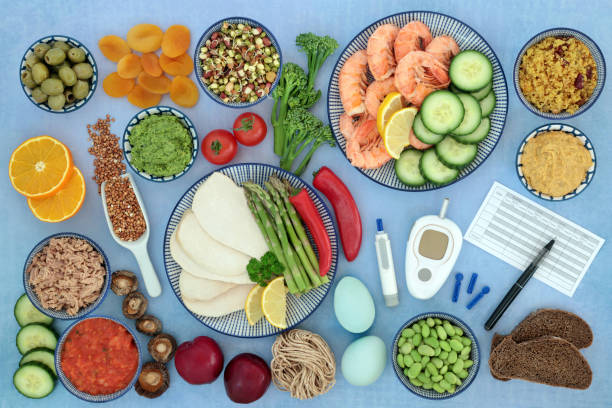
Fiber slows digestion and sugar absorption, making it easier to control blood glucose. Aim for 25–35 grams of fiber per day from a variety of sources.
Good fiber-rich options:
- Whole grains (quinoa, oats)
- Legumes (black beans, lentils)
- Fruits with skin (berries, apples)
- Vegetables (broccoli, carrots, peas)
- Fiber also supports heart health, which is crucial for diabetics.
5. Eat Regular, Consistent Meals
Keyword: meal timing for diabetes
Skipping meals or eating irregularly can lead to erratic blood sugar levels. Establish a regular eating schedule with 3 balanced meals and optional snacks to stabilize glucose levels throughout the day.
Tips:
- Don’t skip breakfast.
- Space meals 3–4 hours apart.
- Include protein and fiber in every meal to prevent blood sugar crashes.
6. Choose Healthy Fats
Keyword: healthy fats for diabetics
Not all fats are bad! Unsaturated fats can help reduce insulin resistance and improve heart health, while trans fats and saturated fats should be limited.
Healthy fat sources:
- Avocados
- Nuts and seeds
- Olive oil
- Fatty fish (salmon, sardines)
- Avoid fried foods, margarine, and processed snacks with “partially hydrogenated oils.”
7. Watch Your Carbohydrate Intake
Keyword: carb counting for diabetes
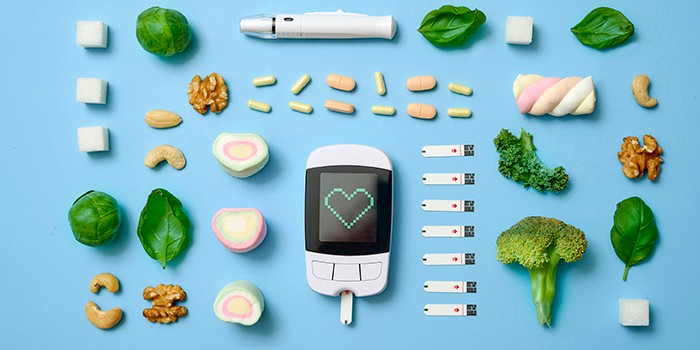
Carbs have the most immediate impact on blood sugar. Learn to count carbohydrates or follow a low-carb eating plan if advised by your healthcare provider.
Smart carb choices:
- Whole fruits (in moderation)
- Whole grains (like quinoa or barley)
- Legumes
- Dairy (unsweetened)
- Limit starchy, sugary, and processed carbs. Use carb-counting apps or food journals to track your intake.
8. Stay Hydrated with Smart Beverages
Keyword: best drinks for diabetics
Staying hydrated is essential for blood sugar control. Avoid sugary drinks and opt for hydrating, blood sugar-friendly options.
Best beverages:
- Water
- Herbal teas (unsweetened)
- Sparkling water with lemon or cucumber
- Unsweetened almond or soy milk
- Avoid fruit juices, sports drinks, and regular soda, which can cause rapid glucose spikes.
9. Practice Mindful Eating
Keyword: mindful eating for diabetes
Mindful eating means being present and aware during meals. It helps you recognize hunger cues, avoid overeating, and make better food choices.
How to eat mindfully:
- Eat slowly and chew thoroughly.
- Avoid screens or distractions.
- Listen to your body’s hunger and fullness signals.
- Appreciate the flavors and textures of your food.
- This approach not only supports blood sugar control but also improves digestion and satisfaction.
10. Plan and Prepare Meals at Home
Keyword: diabetes meal prep tips
Meal planning reduces the temptation of unhealthy takeout and helps you stay consistent with your eating goals. It also saves time and money.
Meal prep tips:
- Cook in batches on weekends.
- Use portioned containers.
- Keep healthy snacks ready (e.g., nuts, boiled eggs, chopped veggies).
- Plan your grocery list with diabetes-friendly ingredients.
- Home-cooked meals give you full control over ingredients and portion sizes.

Final Thoughts: Eat Smart, Live Well
Healthy eating with diabetes is not about strict restrictions—it’s about balance, knowledge, and consistency. By following these top 10 tips for healthy eating with diabetes, you can improve blood sugar control, boost your energy, and reduce the risk of complications.
Every small step counts. Start with one change—like switching from white rice to quinoa or drinking more water—and build from there.
Frequently Asked Questions (FAQs)
Q: Can diabetics eat fruit?
A: Yes! Opt for whole fruits like berries, apples, or pears. Avoid fruit juices and canned fruits with added sugar.
Q: Are carbs bad for diabetes?
A: Not all carbs are bad. Focus on complex carbs like whole grains and legumes. Avoid refined and sugary carbs.
Q: How often should diabetics eat?
A: Ideally, eat every 3–4 hours to keep blood sugar levels stable.