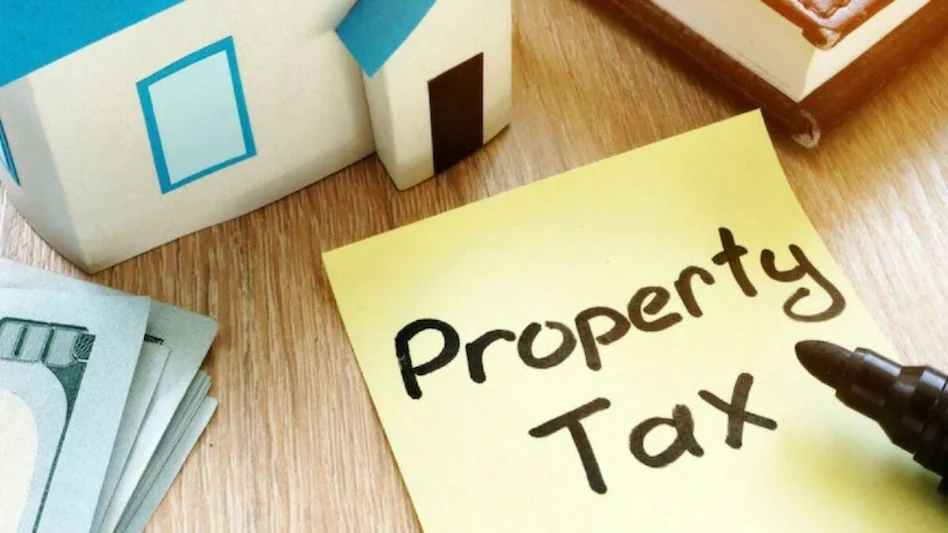
Property Sale Taxes Explained: What Sellers Need to Know. Selling a property is not just about finding a buyer and agreeing on a price. One of the most important—and often confusing—parts of the process is understanding property sale taxes. Many sellers are surprised to learn that a significant portion of their profit can be affected by taxes if they are not properly planned for.
This detailed guide explains property sale taxes, what sellers need to know before closing a deal, how different taxes apply, and how to legally minimize your tax burden. With clear explanations, practical examples, and frequently asked questions, this article will help you sell with confidence and avoid costly surprises.
Why Understanding Property Sale Taxes Is Important
Taxes Can Significantly Affect Your Net Profit
The sale price of your property is not the amount you take home. Taxes, fees, and other costs reduce your final proceeds. Understanding taxes early helps you calculate realistic profits.
Tax Rules Vary by Situation
Property sale taxes depend on factors such as:
- Whether the property is your primary residence or an investment
- How long have you owned the property
- Local and national tax regulations
Knowing which rules apply to you prevents last-minute confusion.
Types of Taxes Involved in a Property Sale
Capital Gains Tax Overview
Capital gains tax is the most common tax sellers face. It applies to the profit made from selling a property.
Short-Term vs Long-Term Capital Gains
- Short-term gains usually apply if the property was owned for a short period
- Long-term gains generally apply if the property was held longer
Long-term gains are often taxed at lower rates.
Local and Regional Property Sale Taxes
Some regions impose additional taxes, such as:
- Transfer taxes
- Stamp duties
- Local property transaction fees
These vary by location and should be confirmed early.
What Is Capital Gain in Property Sales?
How Capital Gain Is Calculated
Capital gain is calculated as:
- Selling price
- Minus purchase price
- Minus eligible costs and improvements
The result is your taxable gain.
Adjusted Cost Basis Explained
The cost basis may include:
- Original purchase price
- Legal and closing fees
- Renovation and improvement costs
Keeping records of these expenses can significantly reduce taxable gains.
Primary Residence vs Investment Property Taxes
Tax Benefits for Primary Residences
Many tax systems offer exemptions or reductions when selling a primary residence, especially if:
- You lived in the home for a minimum period
- The property was your main home
These exemptions can eliminate or reduce capital gains tax.
Investment and Rental Property Taxes
Investment properties typically do not qualify for primary residence exemptions. Sellers may owe:
- Capital gains tax
- Depreciation recapture tax
This often results in higher tax liability.
Holding Period and Its Impact on Taxes
Why Ownership Duration Matters
The length of time you own a property often determines:
- Tax rate applied
- Eligibility for exemptions
Longer ownership can reduce taxes in many jurisdictions.
Example: Short vs Long Ownership
A seller who flips a property within a year may pay higher taxes than someone who holds it for several years before selling.
Common Deductible Costs That Reduce Taxes
Selling Expenses That May Be Deductible
Certain selling costs may reduce taxable gains, such as:
- Real estate commissions
- Legal fees
- Advertising and marketing costs
Improvement vs Repair Costs
Only improvements that add value or extend the property’s life are typically deductible. Routine repairs usually are not.
Property Sale Taxes on Inherited Property
How Inherited Property Is Taxed
Inherited properties often receive a stepped-up cost basis, meaning the value is adjusted to the market value at the time of inheritance.
Impact on Capital Gains
This adjustment can significantly reduce capital gains tax if the property is sold soon after inheritance.
Property Sale Taxes on Gifted Property
How Gifted Properties Are Treated
Gifted properties usually carry the original owner’s cost basis, not the current market value.
Tax Implications for Sellers
This can result in higher capital gains when the property is sold.
Special Situations Affecting Property Sale Taxes
Selling Due to Job Relocation
Some tax systems offer partial exemptions or relief if the sale is due to employment-related relocation.
Divorce and Property Sales
Property transfers or sales due to divorce may have unique tax treatments depending on local laws.
Selling Due to Financial Hardship
In some cases, relief may be available, but this depends on jurisdiction and circumstances.
How Timing Affects Property Sale Taxes
Selling at the Right Time
Timing your sale to qualify for exemptions or lower tax rates can significantly increase net profit.
End-of-Year vs Beginning-of-Year Sales
The timing of the sale may affect when taxes are due and how they impact your overall income for the year.
Property Sale Taxes and Depreciation Recapture
What Is Depreciation Recapture?
If you claimed depreciation on a rental property, that amount may be taxed when you sell.
Why Sellers Often Overlook This Tax
Depreciation reduces taxable income during ownership, but sellers must account for it at the sale.
Real-Life Examples of Property Sale Taxes
Example 1: Primary Residence Sale
A homeowner sells their primary residence after living in it for several years. Due to exemptions, they owe little to no capital gains tax.
Example 2: Investment Property Sale
An investor sells a rental property after five years. Capital gains and depreciation recapture significantly reduce net proceeds.
Example 3: Inherited Property Sale
A seller inherits a property and sells it shortly after. The stepped-up basis minimizes taxable gain.
Strategies to Minimize Property Sale Taxes Legally
Keep Detailed Records
Save all purchase documents, receipts, and improvement records to support deductions.
Understand Eligibility for Exemptions
Know whether your property qualifies as a primary residence or a special exemption case.
Time to Sell Strategically
Delaying or accelerating a sale can sometimes reduce tax exposure.
Common Mistakes Sellers Make With Property Sale Taxes
Ignoring Taxes Until After the Sale
Waiting until closing to consider taxes often leads to surprises and missed planning opportunities.
Overestimating Exemptions
Assuming you qualify for exemptions without verifying eligibility can be costly.
Poor Record Keeping
Lack of documentation can result in higher taxable gains.
How Property Sale Taxes Affect Net Proceeds
Calculating Your True Profit
Net profit equals:
- Sale price
- Minus taxes
- Minus selling costs
Understanding this early helps with financial planning.
Planning Your Next Purchase
Knowing your post-tax proceeds helps you budget for your next home or investment.
Working With Professionals for Tax Planning
When to Seek Expert Advice
Complex situations such as investment properties, inherited assets, or multiple sales often require professional guidance.
Benefits of Early Tax Planning
Proactive planning can save money and reduce stress during the sale process.
Frequently Asked Questions
Do I always have to pay tax when I sell a property?
Not always. Many sellers qualify for exemptions, especially when selling a primary residence.
How can I reduce capital gains tax on a property sale?
You may reduce tax by deducting eligible costs, qualifying for exemptions, or timing the sale strategically.
Are renovation costs deductible?
Only qualifying improvements that add value or extend the property’s life are typically deductible.
Do I pay taxes immediately after selling?
Taxes are usually reported and paid during your annual tax filing, but timelines vary by location.
What happens if I sell at a loss?
If you sell at a loss, capital gains tax generally does not apply, though rules vary for personal vs investment property.
Final Thoughts
Understanding property sale taxes is essential for every seller. Taxes can dramatically impact how much money you actually keep after the sale, and failing to plan can turn a profitable transaction into a disappointing one.
By learning how capital gains work, knowing which exemptions apply, keeping accurate records, and planning the timing of your sale, you can protect your profit and avoid unnecessary stress. Property taxes may seem complex, but with the right knowledge, they become manageable.
A successful property sale is not just about selling at the right price—it is about keeping as much of that price as possible.


